India's employment landscape is undergoing a dramatic transformation as professionals abandon the traditional metro hubs of Bengaluru, Mumbai, and Delhi in favor of tier-2 cities. This migration trend, accelerated by the pandemic-induced work-from-home revolution, is reshaping how Indian companies recruit and retain talent.
The Great Urban Exodus
The movement away from India's primary metros is being driven by multiple factors. Rising real estate costs, deteriorating air quality, traffic congestion, and an overall decline in quality of life have made cities like Pune, Ahmedabad, Kochi, Coimbatore, Jaipur, and Indore increasingly attractive alternatives. Many professionals are discovering they can maintain competitive salaries while enjoying significantly lower living costs and better work-life balance.
Remote work policies implemented during the COVID-19 pandemic demonstrated that physical proximity to corporate headquarters is no longer essential for productivity. This realization has empowered employees to relocate to their hometowns or preferred cities without sacrificing career advancement.
Economic Advantages Fueling the Shift
Tier-2 cities offer compelling financial incentives. Housing costs in these locations are often 40-60% lower than metro equivalents, while day-to-day expenses like transportation, food, and entertainment remain substantially cheaper. For young professionals and families, this translates into higher disposable income, better savings potential, and improved standards of living.
Additionally, state governments in tier-2 locations have been aggressively courting businesses through tax incentives, subsidized land, and infrastructure development. These policy initiatives have created conducive environments for corporate expansion beyond traditional metros.
Industry Sectors Leading the Change
The information technology and IT-enabled services sector has been at the forefront of this geographical diversification. Companies are establishing new development centers and expanding existing operations in cities like Coimbatore, Visakhapatnam, Thiruvananthapuram, and Bhubaneswar. These locations offer access to quality educational institutions producing skilled graduates at competitive salary expectations.
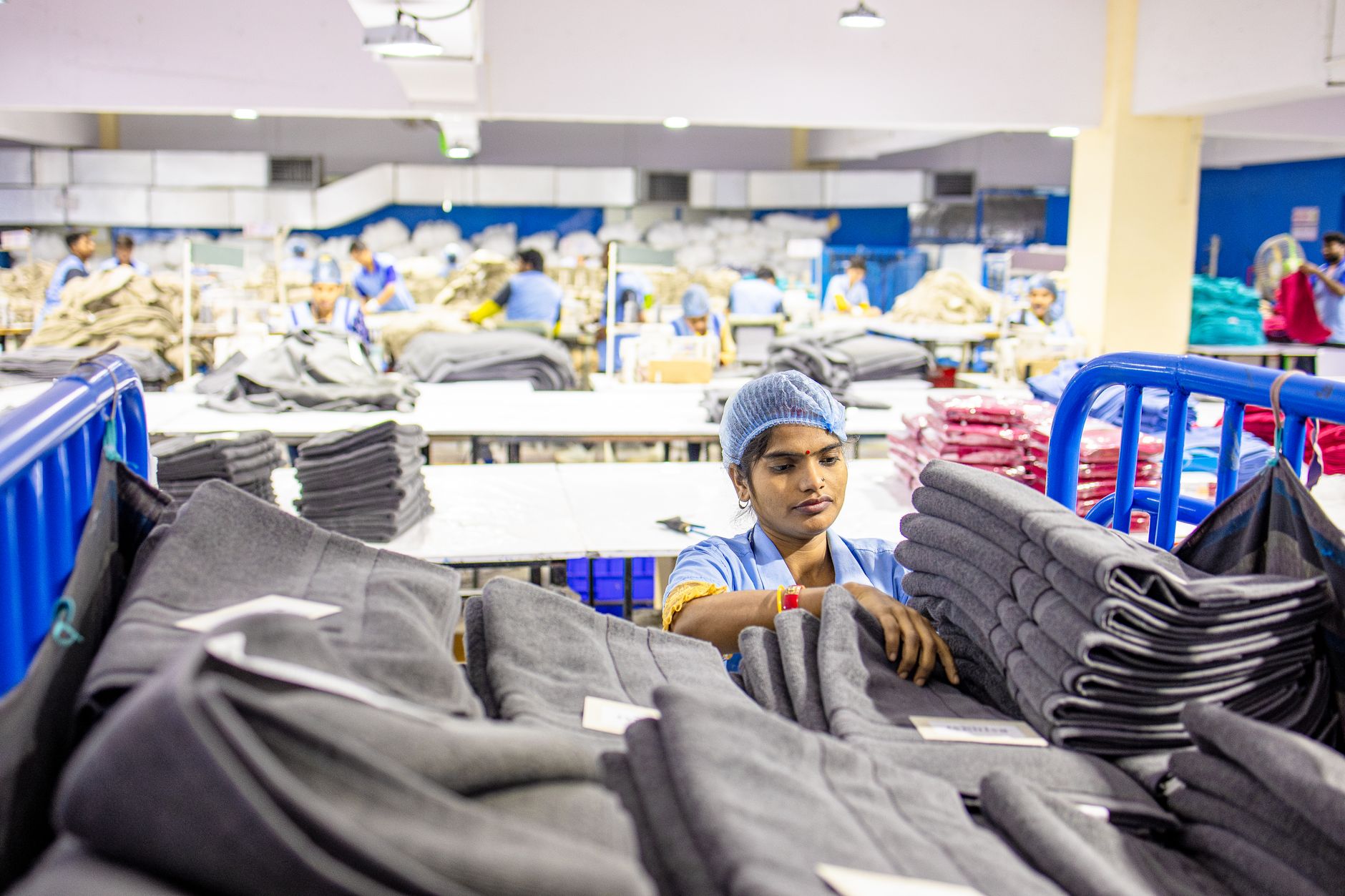
Manufacturing and e-commerce sectors are similarly expanding into tier-2 cities. Proximity to emerging consumer markets, availability of land for warehousing and logistics, and lower operational costs make these locations strategically valuable.
The startup ecosystem is also thriving beyond metros. Tier-2 cities are witnessing increased venture capital activity and entrepreneurial energy, particularly in sectors like agritech, edtech, and healthtech that address local market needs.
Infrastructure Development Enabling Growth
Improved connectivity has been crucial to this transformation. Better airports, expanded railway networks, and highway development have reduced the isolation that previously characterized tier-2 cities. High-speed internet penetration and improved digital infrastructure enable seamless remote collaboration.
Educational institutions in these cities have also upgraded their curricula and facilities, producing talent that meets industry requirements without necessarily migrating to metros for employment.
Corporate Strategy Evolution
Forward-thinking companies are proactively establishing distributed teams across multiple locations rather than concentrating operations in a single metro. This strategy reduces operational risk, taps into diverse talent pools, and demonstrates corporate commitment to balanced regional development.
Many organizations now offer location-agnostic roles, allowing employees to work from cities of their choice. This flexibility has become a significant recruitment and retention tool in competitive talent markets.
Challenges Remain
Despite these positive trends, tier-2 cities face certain limitations. Advanced healthcare facilities, international schools, and cultural amenities remain concentrated in metros. Professional networking opportunities and industry ecosystem depth are still developing in smaller cities.
Some sectors, particularly finance, media, and specialized consulting, continue to require metro presence for client proximity and industry engagement.
The Road Ahead
This decentralization trend appears sustainable rather than temporary. As tier-2 cities continue developing infrastructure and amenities, they will attract further investment and talent. The next decade may witness a fundamental rebalancing of India's economic geography, with opportunity and prosperity more evenly distributed across the country.
For job seekers, this shift expands options considerably. Career growth no longer necessitates metro relocation, enabling professionals to pursue ambitions while maintaining family connections and cultural roots. Companies benefit from reduced costs, access to untapped talent, and improved employee satisfaction.
India's urban future may well be defined not by megacities but by a network of prosperous, livable tier-2 cities offering the best of economic opportunity and quality of life.