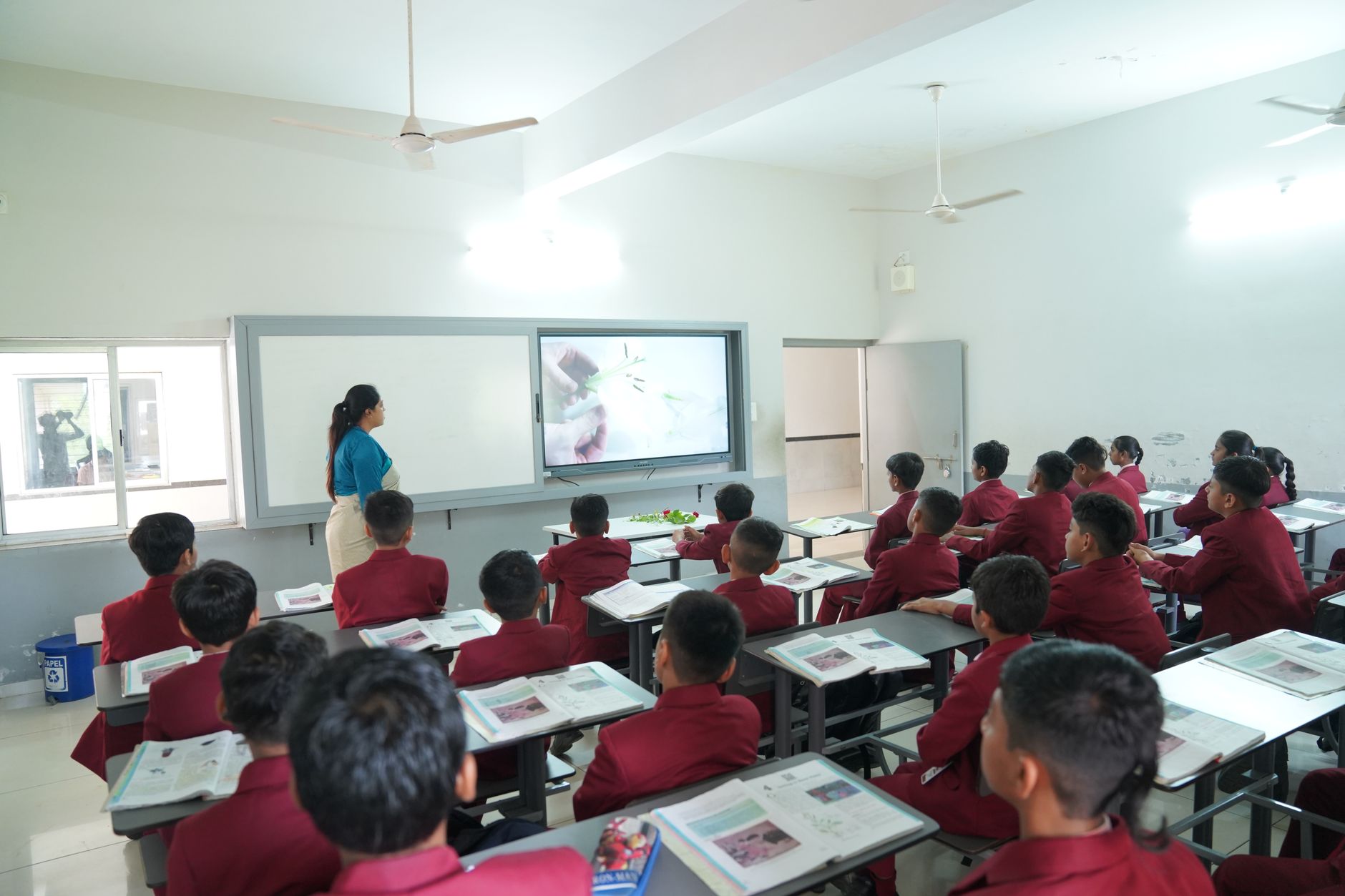
Karnataka has taken a significant step toward preparing its students for the artificial intelligence-driven future by announcing plans to introduce AI education starting from Class 6. This initiative, coupled with the establishment of India's first government-led AI university, marks a major shift in how technology education is approached at the state level.
Why AI Education Matters for Young Students
The introduction of AI concepts at the middle school level reflects a growing recognition that tomorrow's workforce will need to understand and work alongside artificial intelligence systems. By starting AI education from Class 6, Karnataka aims to build foundational digital literacy and computational thinking skills when students are most receptive to learning new concepts.
Early exposure to AI can help students understand how the technology they interact with daily actually works, from voice assistants to recommendation algorithms. This knowledge goes beyond mere usage and encourages critical thinking about technology's role in society.
What AI Education Might Look Like for Class 6 Students
While detailed curriculum specifics have not been fully disclosed, AI education for younger students typically focuses on accessible concepts rather than complex programming. Students at this level might learn about:
- Basic concepts of how machines learn from data
- Simple pattern recognition exercises
- Introduction to algorithms and logical thinking
- Ethical considerations around AI and automation
- Hands-on projects using age-appropriate AI tools and platforms
- Understanding real-world AI applications in daily life
The goal is not to turn every student into an AI engineer but to ensure they grow up as informed digital citizens who understand the technology shaping their world.
India's First Government-Led AI University
Perhaps the more groundbreaking announcement is Karnataka's plan to establish the country's first government-led AI university. This specialized institution would focus exclusively on artificial intelligence, machine learning, data science, and related fields.
Unlike private institutions or traditional universities with AI departments, a dedicated government-run AI university could offer several advantages. It could potentially provide more affordable access to specialized AI education, ensure curriculum standards aligned with national interests, and focus research on problems specific to Indian contexts such as agriculture, healthcare delivery, and language processing for Indian languages.
Karnataka's Technology Education Legacy
This move builds on Karnataka's existing reputation as India's technology hub. With Bengaluru serving as the country's Silicon Valley, the state has long been at the forefront of technology adoption and innovation. The state government has previously launched various initiatives to strengthen technology education and digital infrastructure.
By institutionalizing AI education from the school level upward, Karnataka is essentially creating a pipeline of AI-literate citizens and specialized professionals. This could further strengthen the state's position in attracting technology companies and fostering homegrown innovation.
Challenges and Implementation Considerations
While the announcement is ambitious, successful implementation will require addressing several challenges. Training teachers to deliver AI curriculum effectively is perhaps the most critical need. Teachers themselves will need comprehensive professional development to understand AI concepts and pedagogical approaches for teaching them.
Infrastructure requirements, including computer labs and internet connectivity, must be ensured across schools, particularly in rural areas. The digital divide could otherwise mean that AI education benefits only urban, well-resourced schools.
Additionally, curriculum developers must strike the right balance between technical skills and ethical, social considerations around AI. Students should learn not just how AI works but also its limitations, biases, and societal implications.
National Implications
Karnataka's initiative could serve as a model for other Indian states. As artificial intelligence becomes increasingly central to economic growth and national competitiveness, ensuring broad-based AI literacy and developing specialized AI talent becomes a strategic imperative.
The National Education Policy 2020 already emphasizes computational thinking and coding from middle school. Karnataka's focused approach to AI education takes this vision further and could inform national-level policy decisions about technology education.
If successful, this initiative could position India more competitively in the global AI landscape, where countries like China and the United States have made significant investments in AI research and education. Building AI capabilities from the grassroots level could yield long-term dividends in innovation, entrepreneurship, and research.
The combination of school-level AI literacy and specialized higher education through the proposed AI university represents a comprehensive approach to developing India's AI ecosystem from the ground up.