Maharashtra Tourism Development Corporation (MTDC) has taken center stage at the WOW Awards Asia, unveiling an ambitious strategy to establish the state as a leading hub for MICE (Meetings, Incentives, Conferences, and Exhibitions) travel and destination weddings. This bold initiative comes as India aims to significantly expand its share of the global tourism market by 2026.
Why Maharashtra Is Positioning Itself Now
The timing of this tourism push reflects several converging trends. Global business travel is rebounding strongly post-pandemic, with companies increasingly seeking unique destinations that combine world-class infrastructure with cultural experiences. Similarly, the destination wedding market has exploded, with couples looking beyond traditional venues to create memorable experiences for their guests.
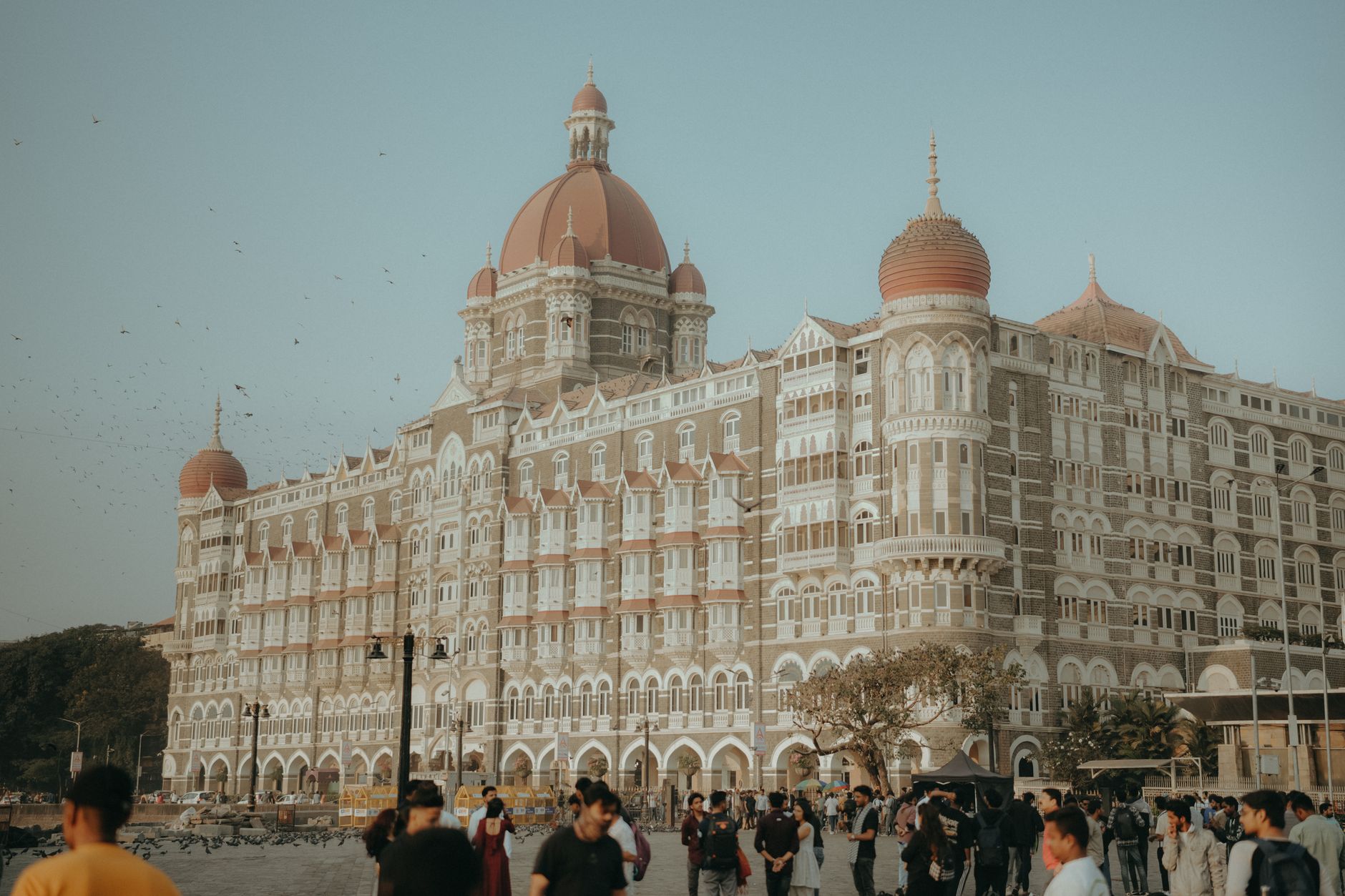
Maharashtra offers a compelling proposition on both fronts. The state houses Mumbai, India's financial capital with extensive five-star hotel infrastructure and convention facilities. Beyond the metropolis, it boasts diverse landscapes from coastal beaches to hill stations, medieval forts to ancient cave temples.
The MICE Travel Opportunity
MICE travel represents a lucrative segment for any destination. Business travelers and conference attendees typically spend more than leisure tourists and travel during off-peak seasons, helping to balance tourism revenue throughout the year.
Maharashtra's advantages for MICE tourism include:
- World-class convention centers in Mumbai and Pune
- Excellent air connectivity through international airports in Mumbai, Pune, and Nagpur
- A wide range of accommodation options from budget to ultra-luxury
- Strong technical infrastructure and reliable connectivity
- Proximity to major business hubs across Asia
The state government has been developing dedicated MICE infrastructure, including expanding convention facilities and streamlining permissions for large-scale events. Cities like Pune, with its concentration of IT companies and educational institutions, have natural synergies with the conference and seminar circuit.
Destination Weddings: A Growing Market
India's destination wedding industry has grown exponentially in recent years, and Maharashtra is positioning itself to capture a significant share. The state offers remarkable diversity within its borders, allowing wedding planners to create varied experiences.
Historic venues like heritage forts, palace hotels, and colonial-era properties provide atmospheric settings. Coastal locations in Alibaug and Sindhudurg offer beach wedding possibilities, while hill stations like Lonavala and Mahabaleshwar provide cooler climates and scenic backdrops.
The state's proximity to major cities makes logistics easier for guests traveling domestically and internationally. Additionally, Maharashtra's robust hospitality industry can accommodate large guest lists with varying budget requirements.
UNESCO Heritage Sites as Tourism Anchors
Maharashtra's UNESCO World Heritage Sites serve as powerful drawcards for tourism promotion. The Ajanta and Ellora Caves, featuring ancient Buddhist, Hindu, and Jain rock-cut temples and monasteries, represent some of India's most significant archaeological and artistic treasures. The Chhatrapati Shivaji Terminus in Mumbai showcases Victorian Gothic Revival architecture, while the Victorian Gothic and Art Deco Ensembles of Mumbai represent unique architectural heritage.
These sites provide cultural depth to any itinerary, whether for business travelers extending their stay or wedding guests exploring before or after ceremonies. They position Maharashtra not just as a business or celebration destination, but as a place of profound historical and cultural significance.
Infrastructure Development and Accessibility
Supporting this tourism push requires continuous infrastructure development. Maharashtra has invested in improving road connectivity, developing coastal tourism circuits, and enhancing facilities at tourist sites. The state's focus on sustainable tourism practices also aligns with global travelers' increasing environmental consciousness.
Digital initiatives, including improved online booking systems and virtual tours, help potential visitors explore options before committing to travel. Simplified permission processes for events and weddings remove bureaucratic hurdles that previously deterred international planners.
The 2026 Vision
By targeting 2026, Maharashtra has set a clear timeline for measurable outcomes. This horizon allows for infrastructure completion, marketing campaign rollout, and relationship building with international tour operators and event planners.
The strategy extends beyond merely attracting visitors; it aims to position Maharashtra as a year-round destination that can compete with established Asian tourism hubs like Singapore, Thailand, and Dubai for business events and celebrations.
Success will depend on coordinated efforts between government agencies, private hospitality players, and tourism service providers. If executed effectively, Maharashtra's tourism transformation could serve as a model for other Indian states seeking to expand their tourism footprint in increasingly competitive global markets.