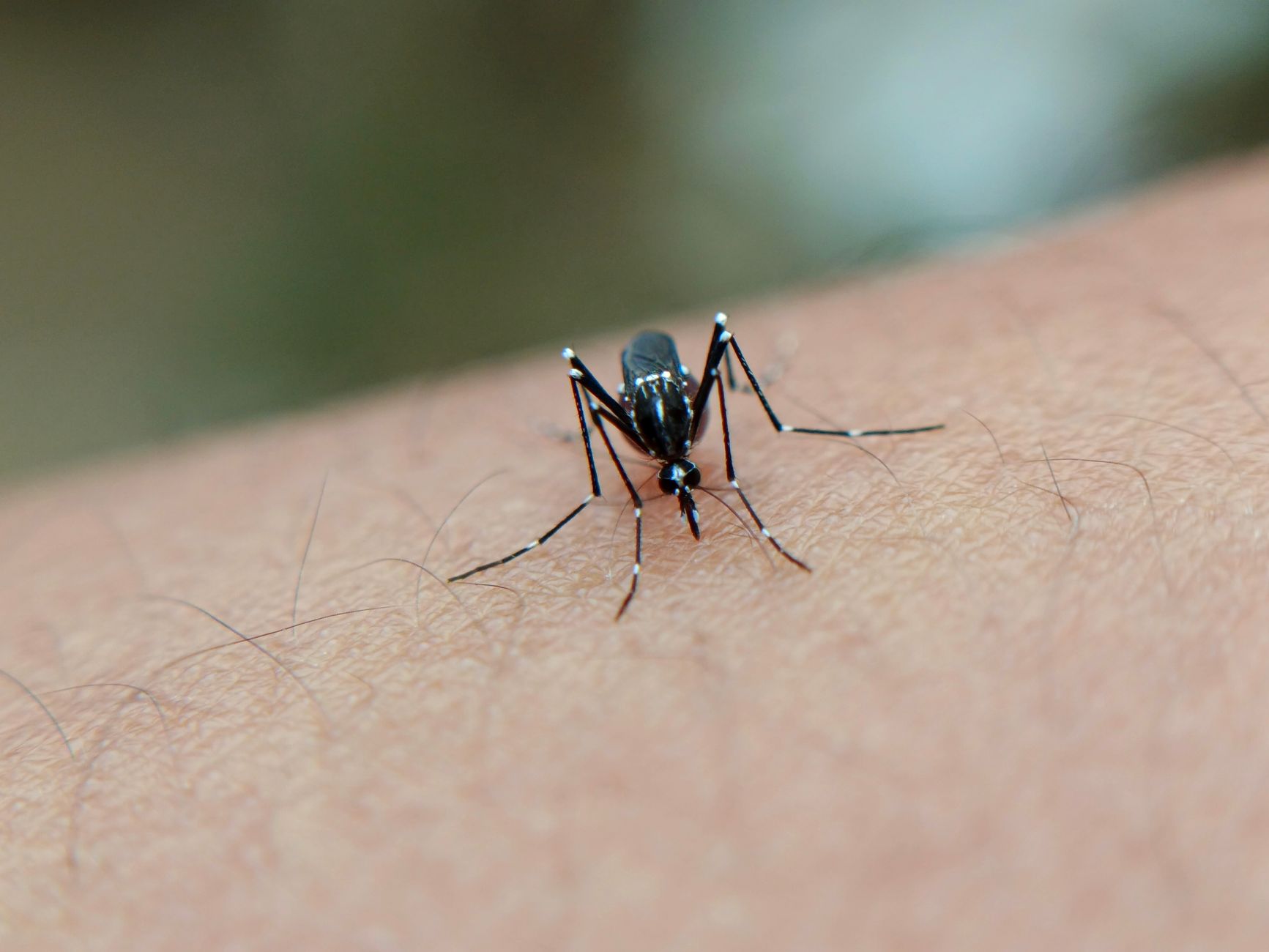
India's healthcare system is navigating a unique double burden as the monsoon season brings a sharp increase in dengue cases while the country simultaneously grapples with a growing epidemic of non-communicable diseases. This dual challenge highlights the evolving nature of public health concerns in a rapidly developing nation.
The Dengue Surge During Monsoon
Monsoon rains create ideal breeding conditions for the Aedes aegypti mosquito, the primary vector for dengue transmission. Stagnant water in coolers, flower pots, discarded containers, and construction sites provides perfect breeding grounds. Urban areas are particularly vulnerable due to dense populations, inadequate waste management, and water storage practices that inadvertently create mosquito habitats.
Recent data indicates that dengue cases have shown a marked increase across several Indian states during the current monsoon season. The illness, characterized by high fever, severe headache, pain behind the eyes, joint and muscle pain, and skin rash, can progress to severe dengue hemorrhagic fever in some cases, potentially leading to fatal complications if not treated promptly.
Declining Vector-Borne Diseases
While dengue remains a concern, India has made significant progress in controlling other vector-borne diseases. Malaria cases have shown a consistent downward trend over the past decade, thanks to improved surveillance systems, better access to rapid diagnostic tests, effective treatment protocols, and vector control measures including insecticide-treated bed nets and indoor residual spraying.
Similarly, kala-azar, also known as visceral leishmaniasis, has seen a dramatic decline. This sandfly-borne disease, once endemic in Bihar, Jharkhand, Uttar Pradesh, and West Bengal, has been brought under control through active case detection, free treatment, and vector control programs. India's elimination initiative has achieved remarkable success in reducing kala-azar incidence to less than one case per 10,000 population in most endemic areas.
The Rising Tide of Non-Communicable Diseases
Even as India celebrates victories over traditional infectious diseases, the country faces a mounting crisis of non-communicable diseases. Diabetes, cardiovascular diseases, cancer, and chronic respiratory conditions now account for a significant majority of deaths and disability in the country.
Several factors contribute to this epidemic. Rapid urbanization has led to sedentary lifestyles, with many Indians spending long hours in offices or vehicles. Dietary patterns have shifted dramatically, with increased consumption of processed foods high in sugar, salt, and unhealthy fats. Tobacco use remains widespread, and air pollution in major cities has reached alarming levels, contributing to respiratory and cardiovascular problems.
The economic burden of NCDs is staggering. These chronic conditions require long-term management, expensive medications, and often lead to catastrophic health expenditures for families. Unlike acute infectious diseases, NCDs typically affect people during their productive years, leading to significant economic losses.
The Double Disease Burden Challenge
Managing both communicable and non-communicable diseases simultaneously strains India's healthcare infrastructure. Resources must be allocated to mosquito control and outbreak response while also investing in NCD prevention and management programs. Healthcare workers need training in both acute infectious disease management and chronic disease care.
This dual burden is particularly challenging for India's public health system, which was primarily designed to handle infectious diseases. Adapting to provide comprehensive care for chronic conditions requires significant infrastructure upgrades, workforce expansion, and policy reforms.
Prevention and Management Strategies
Addressing dengue requires community participation in eliminating breeding sites, using mosquito repellents, installing window screens, and seeking early medical attention for fever. Public health authorities must strengthen surveillance systems and ensure rapid response to outbreaks.
For NCDs, prevention is crucial. This includes promoting healthy diets, encouraging regular physical activity, implementing tobacco control measures, and improving air quality. Early detection through regular health screenings can help identify conditions like diabetes and hypertension before they cause serious complications.
The Way Forward
India's health challenges require an integrated approach that addresses both communicable and non-communicable diseases. Strengthening primary healthcare systems, investing in preventive care, leveraging technology for disease surveillance, and promoting health literacy are essential steps. Community engagement and behavioral change communication can help citizens take ownership of their health while supporting public health initiatives.
This article is for general informational purposes only and should not be considered medical advice. Always consult qualified healthcare professionals for diagnosis and treatment of any health condition.