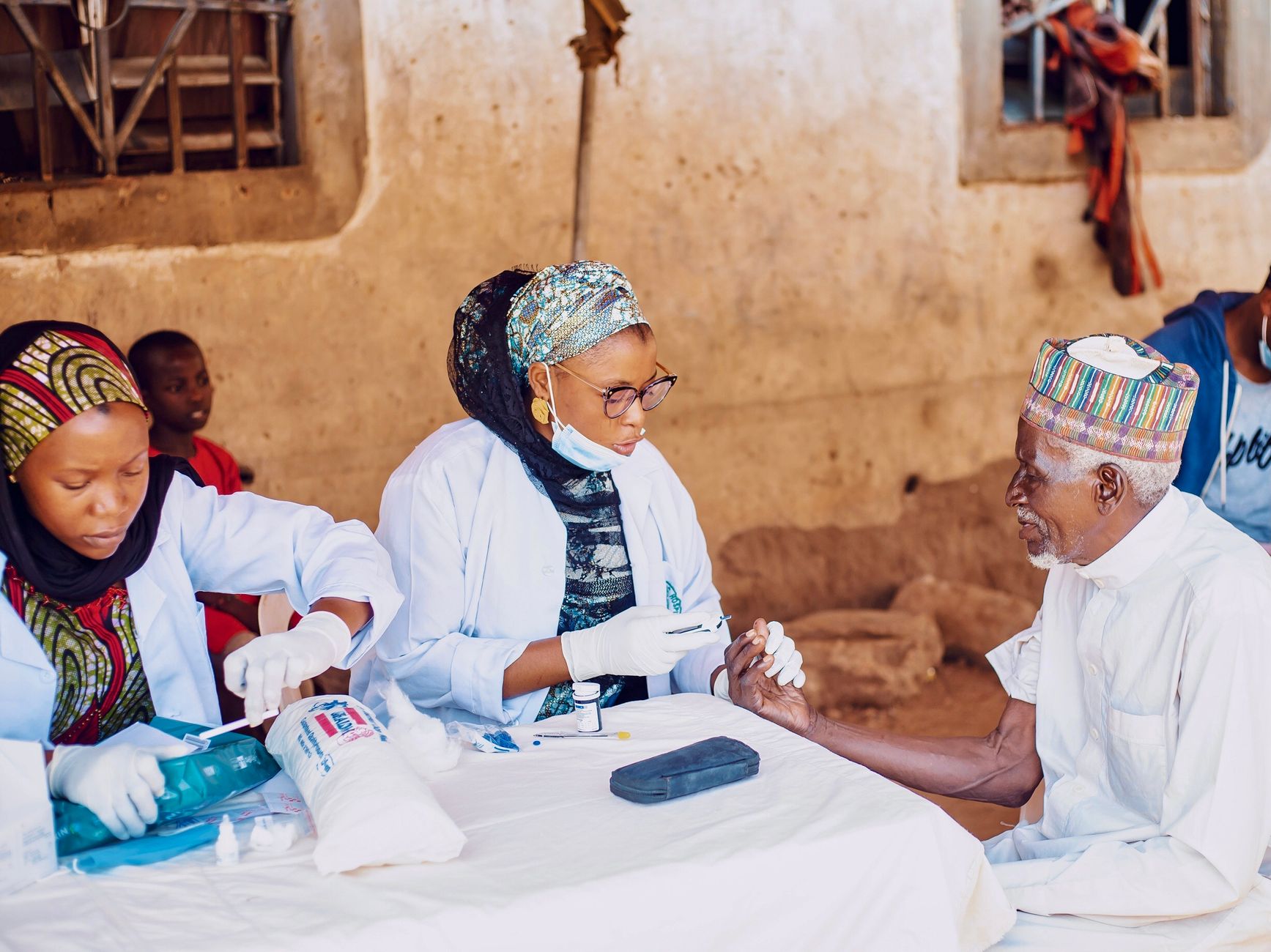
Corporate social responsibility in India's healthcare sector has taken a significant leap forward with Motul India's ambitious expansion of its Sehat Ki Samriddhi initiative. The automotive lubricant manufacturer has scaled its health camp program to 108 locations spanning 27 districts, demonstrating how private sector engagement can address critical gaps in healthcare accessibility.
Bridging the Healthcare Divide
India's healthcare infrastructure continues to face challenges in reaching rural and semi-urban populations. While urban centers boast world-class medical facilities, millions in smaller towns and villages lack access to basic diagnostic services and preventive care. The Sehat Ki Samriddhi initiative addresses this disparity by bringing medical professionals and essential health screening services directly to communities that need them most.
The choice of 108 camps holds symbolic significance in Indian culture, where this number is considered auspicious and represents completeness. More practically, the geographic spread across 27 districts ensures broad coverage across multiple states, allowing the program to impact diverse populations with varying healthcare needs.
Components of Comprehensive Health Camps
Mobile health camps typically offer a range of services designed to catch health issues early when they are most treatable. These initiatives generally include:
- Basic health screenings including blood pressure, blood sugar, and BMI measurements
- Diagnostic tests such as hemoglobin checks and basic blood work
- Consultations with qualified medical practitioners
- Distribution of essential medicines for common ailments
- Health education sessions on nutrition, hygiene, and disease prevention
- Referral services for cases requiring specialized treatment
The holistic approach ensures that participants receive not just immediate care but also knowledge to make informed health decisions for their families.
Impact on Underserved Communities
Programs like Sehat Ki Samriddhi create multiple layers of positive impact. First, they remove financial barriers by providing free or heavily subsidized services. Many individuals in rural areas postpone medical consultations due to cost concerns, leading to preventable complications.
Second, these camps address logistical challenges. Traveling to district hospitals can mean losing a day's wages and incurring transportation costs. By bringing healthcare to people's doorsteps, mobile camps eliminate these obstacles.
Third, health awareness campaigns conducted during these events help dispel myths and promote evidence-based health practices. This educational component often proves as valuable as the immediate medical services provided.
The Corporate Healthcare Responsibility Model
Motul India's initiative represents a growing trend of corporations taking active roles in addressing social challenges. The automotive industry's connection to mobility makes healthcare accessibility a natural fit for their CSR efforts. By leveraging their distribution networks and community connections, companies can efficiently organize and execute large-scale health programs.
Such initiatives also align with India's push toward achieving universal health coverage and the Sustainable Development Goals. Private sector participation can complement government health programs, creating a multiplier effect that expands overall healthcare reach.
Measuring Success and Sustainability
The effectiveness of mobile health camps depends on several factors beyond just the number of camps conducted. Successful programs ensure continuity of care through follow-up mechanisms and maintain detailed health records that allow for tracking long-term outcomes.
Integration with existing public health systems ensures that individuals identified with serious conditions receive appropriate referrals and continued treatment. Digital health records and telemedicine follow-ups can extend the impact of these temporary camps into sustained healthcare relationships.
Scaling the Model Forward
As Motul India demonstrates, corporate health initiatives can achieve significant scale when properly structured. The 108-camp milestone suggests a mature program with established operational processes, trained personnel, and community partnerships that facilitate smooth execution.
Other corporations observing this model may find inspiration to launch or expand their own healthcare CSR programs. The pharmaceutical, FMCG, and technology sectors all have unique strengths they could bring to similar initiatives, potentially creating a nationwide network of corporate-supported health services.
The success of such programs ultimately depends on genuine commitment to impact rather than mere publicity. Long-term engagement, quality medical services, and meaningful community partnerships separate truly transformative initiatives from token gestures.
This article is intended for general informational purposes only and does not constitute medical advice. Individuals should consult qualified healthcare professionals for specific medical concerns and treatment decisions.