India's employment landscape is undergoing a significant transformation as non-metropolitan cities emerge as powerful engines of job creation. Cities like Visakhapatnam, Surat, Coimbatore, Kochi, and Jaipur are no longer just regional centers but are becoming formidable competitors to traditional metros like Mumbai, Delhi, and Bengaluru in attracting both employers and job seekers.
The Shift Towards Tier-2 and Tier-3 Cities
The migration of jobs from metros to smaller cities represents a fundamental shift in India's economic geography. This trend has accelerated particularly in the post-pandemic era, driven by multiple factors including lower operational costs, improved infrastructure, digital connectivity, and changing workforce preferences.
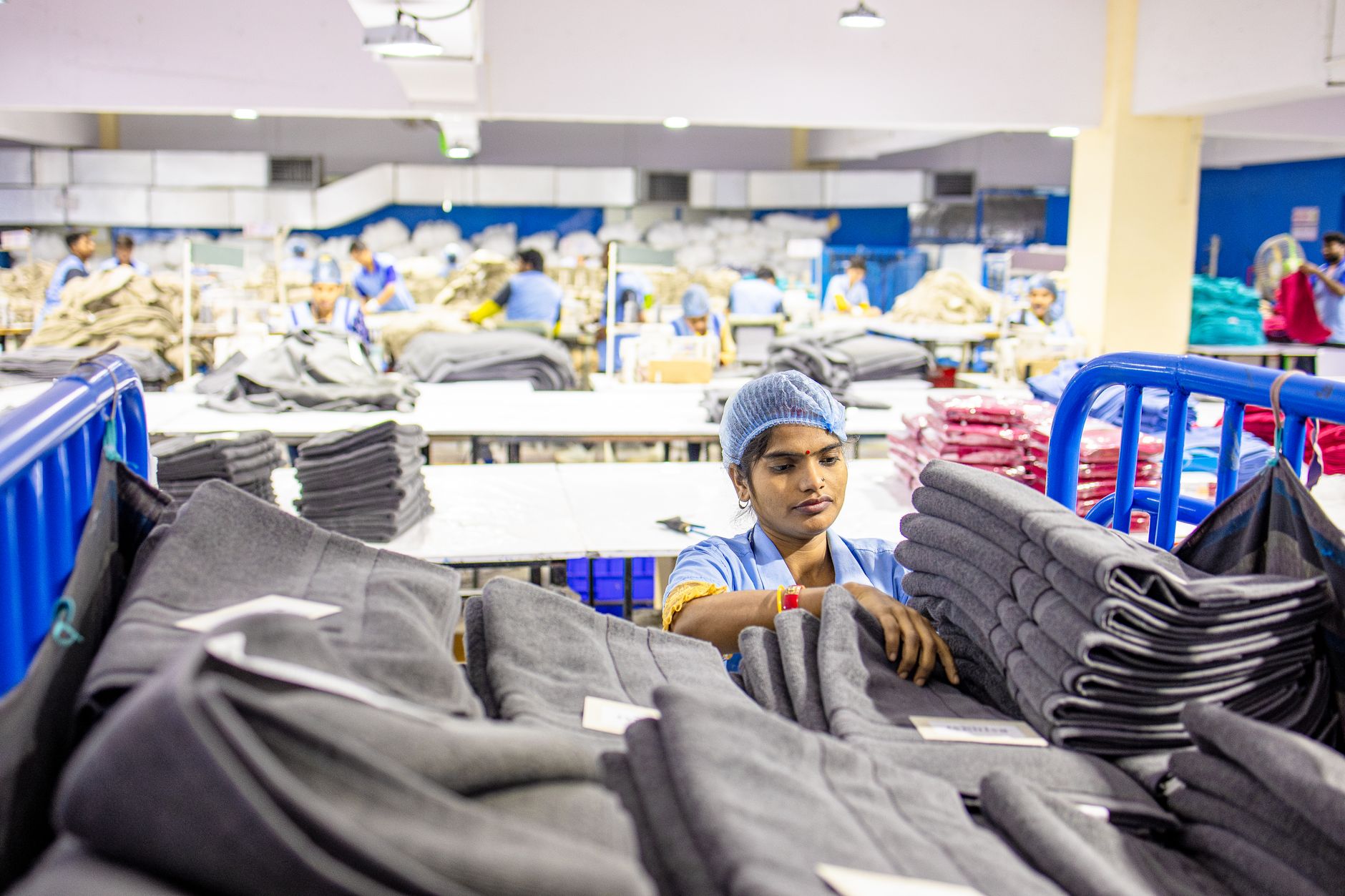
Manufacturing hubs like Surat have long been employment magnets, but the scope has expanded dramatically. Technology parks in Visakhapatnam, textile industries in Coimbatore, and IT sectors in cities like Indore and Chandigarh are creating thousands of jobs annually. These cities are witnessing unprecedented growth in sectors ranging from manufacturing and logistics to services and technology.
Why Companies Are Choosing Non-Metro Locations
Several compelling reasons are driving businesses to establish operations in non-metro cities:
- Significantly lower real estate and operational costs compared to metros
- Access to a large, educated, and often multilingual workforce
- Reduced employee attrition rates due to better work-life balance
- Government incentives and industrial policies favoring regional development
- Improved infrastructure including airports, highways, and digital connectivity
- Lower wage expectations without compromising on skill quality
The cost advantage is particularly striking. Office space in a tier-2 city can cost one-third to one-half of equivalent space in metropolitan areas, directly impacting a company's bottom line.
Sectors Driving Employment Growth
Manufacturing continues to be a major employer in non-metro cities, with automotive components, textiles, pharmaceuticals, and electronics leading the charge. Cities like Surat, Rajkot, and Tiruppur have built specialized ecosystems around specific industries.
The services sector, including IT and business process outsourcing, has also discovered the advantages of tier-2 locations. Global capability centers and IT firms are establishing delivery centers in cities like Visakhapatnam, Vadodara, and Nashik, creating skilled employment opportunities.
E-commerce and logistics have emerged as unexpected job creators. The proliferation of warehouses, fulfillment centers, and last-mile delivery networks across smaller cities has generated employment across skill levels.
Benefits for Job Seekers
For professionals and job seekers, non-metro cities offer a compelling value proposition. The cost of living remains substantially lower, allowing for better savings and quality of life. Housing that would be unaffordable in metros becomes accessible in tier-2 cities.
Commute times are generally shorter, contributing to better work-life balance. Many professionals are also attracted by the opportunity to live closer to their hometowns and families while pursuing meaningful careers.
Additionally, the competitive intensity for jobs in these cities is often lower than in metros, potentially offering faster career progression for talented individuals.
Infrastructure Development as an Enabler
Government initiatives like the Smart Cities Mission, industrial corridors, and improved transportation networks have been crucial enablers. The expansion of airports, the development of industrial parks, and investments in digital infrastructure have made non-metro cities viable business destinations.
Reliable internet connectivity, in particular, has been transformative, enabling remote work capabilities and allowing companies to operate seamlessly from anywhere in the country.
Challenges That Remain
Despite the positive momentum, challenges persist. Some non-metro cities still face issues related to specialized talent availability, particularly in niche technology domains. Educational institutions in these cities are working to bridge this gap, but it remains a work in progress.
Social infrastructure including healthcare, entertainment, and educational facilities, while improving, may not match metro standards in all locations. This can be a consideration for families relocating from larger cities.
The Road Ahead
The trend of employment growth in non-metro cities appears sustainable and likely to accelerate. As more companies experience success with their tier-2 operations, others will follow. This geographic diversification of employment is healthy for India's economy, reducing the strain on overcrowded metros while developing regional economies.
For job seekers, this trend expands opportunities and choices. The decision about where to work is no longer binary between staying in a hometown with limited options or moving to a distant metro. The middle path offered by thriving tier-2 cities provides career growth without sacrificing personal priorities.
This article is for general informational purposes only and does not constitute career or relocation advice. Individual circumstances vary, and readers should conduct their own research before making employment or relocation decisions.