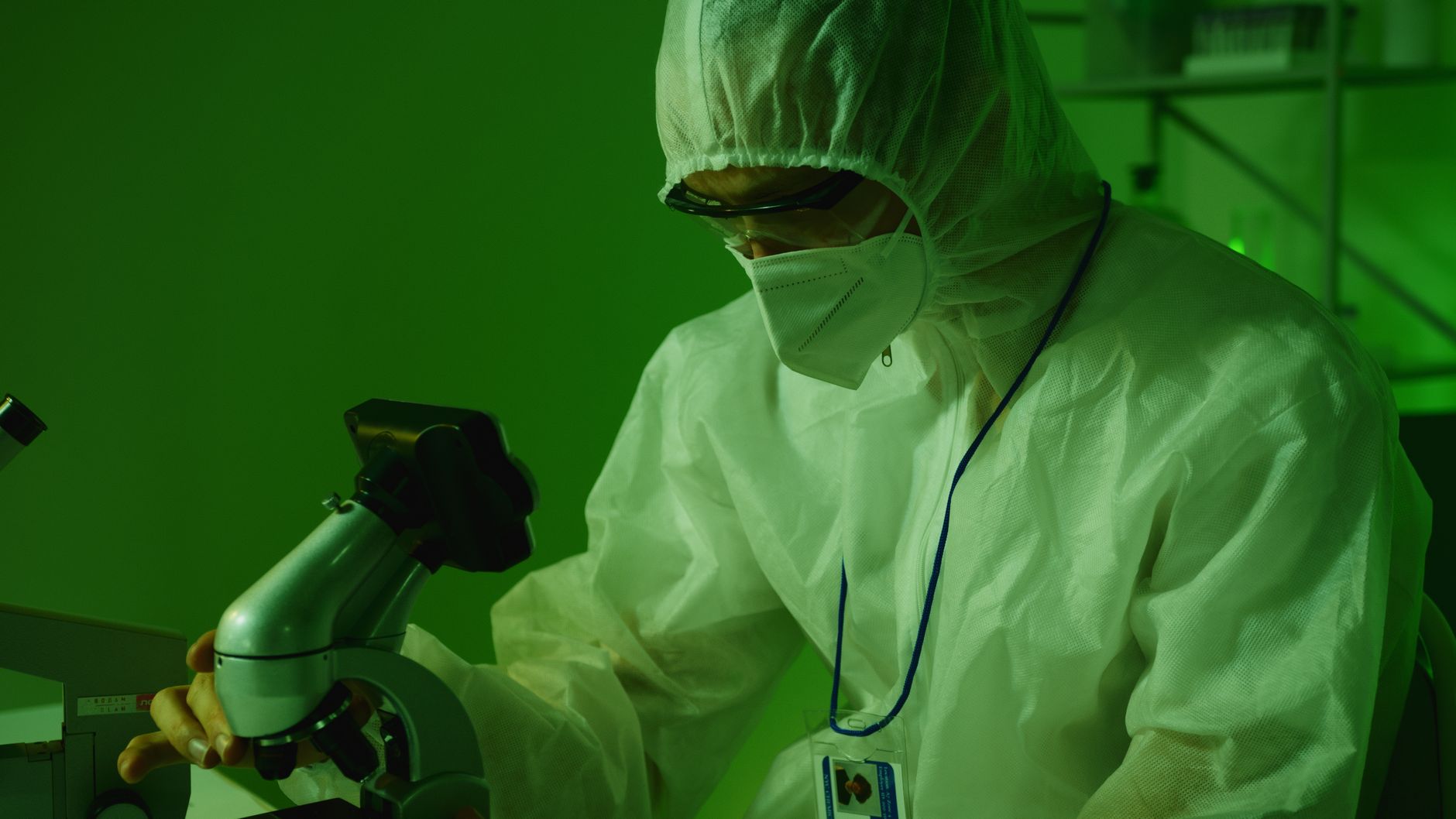
Prime Minister Narendra Modi's recent remarks highlighting preventive healthcare and research infrastructure as cornerstones of India's future reflect a significant shift in the country's healthcare policy approach. This emphasis comes at a time when India faces a dual burden of communicable and non-communicable diseases, making the case for prevention more compelling than ever.
Understanding Preventive Healthcare
Preventive healthcare focuses on stopping diseases before they occur rather than treating them after diagnosis. This approach encompasses vaccinations, regular health screenings, lifestyle modifications, and early detection programs. For a country with India's population density and healthcare resource constraints, prevention is not just medically sound—it's economically essential.
The traditional healthcare model in India has been predominantly curative, with hospitals and clinics treating patients after illness strikes. However, this reactive approach places enormous strain on healthcare infrastructure and household finances. Medical emergencies remain one of the leading causes of poverty in India, with families often forced to sell assets or take loans for treatment.
The Economic Case for Prevention
Preventive healthcare offers substantial economic benefits at both individual and national levels. Regular health check-ups can detect conditions like diabetes, hypertension, and certain cancers in their early stages when treatment is less expensive and more effective. The government's Ayushman Bharat program, which includes Health and Wellness Centers, represents a step toward making preventive services accessible to rural and underserved populations.
For individuals, investing in preventive care means lower long-term healthcare costs. Simple measures like maintaining a healthy diet, regular exercise, avoiding tobacco, and periodic screenings can prevent or delay chronic diseases that require lifelong management.
Building a Research Ecosystem
A robust research ecosystem is equally crucial for India to address its unique health challenges. India faces disease patterns and genetic predispositions that differ from Western populations, yet much of the medical research and treatment protocols are derived from studies conducted elsewhere. Indigenous research helps develop solutions tailored to Indian populations.
The research ecosystem encompasses medical colleges, pharmaceutical companies, biotech startups, and government research institutions. India has made strides in vaccine development, as demonstrated during the COVID-19 pandemic with indigenous vaccines. However, sustained investment and policy support are needed to maintain momentum.
Key Areas of Focus
Several areas deserve attention in building India's preventive healthcare and research infrastructure:
- Strengthening primary healthcare centers with diagnostic equipment and trained personnel
- Expanding vaccination programs beyond childhood to include adult immunizations
- Creating awareness campaigns about lifestyle diseases and their prevention
- Investing in genomic research relevant to Indian populations
- Developing affordable diagnostic tools for early disease detection
- Training healthcare workers in preventive medicine and community health
- Leveraging digital health technologies for remote monitoring and consultations
- Encouraging public-private partnerships in health research
- Establishing disease registries for better epidemiological data
Challenges and Opportunities
India's healthcare system faces significant challenges, including uneven distribution of medical facilities, shortage of trained professionals, and varying health literacy levels across regions. Rural areas particularly lack access to quality preventive services.
However, India also has unique advantages. The country has a large pool of medical and scientific talent, a thriving generic pharmaceutical industry, and increasing digital connectivity that can facilitate telemedicine and health education. Traditional systems like Ayurveda and Yoga also offer preventive health approaches that are culturally accepted.
The Path Forward
For preventive healthcare to become mainstream, it requires a cultural shift in how Indians view health and medical care. People need to see health check-ups and healthy lifestyle choices as investments rather than expenses. Schools and workplaces can play crucial roles in promoting preventive health practices.
The research ecosystem needs sustained funding, intellectual property protection, and collaboration between academia and industry. Regulatory frameworks must balance safety with innovation to encourage research and development.
Conclusion
The emphasis on preventive healthcare and research represents a forward-thinking approach to India's health challenges. As the country aims to become a developed nation by 2047, a healthy population will be fundamental to achieving economic and social goals. Success will require coordinated efforts from government, healthcare providers, researchers, and citizens themselves.
This article is for general informational purposes only and does not constitute medical advice. Readers should consult qualified healthcare professionals for specific health concerns and before making any healthcare decisions.