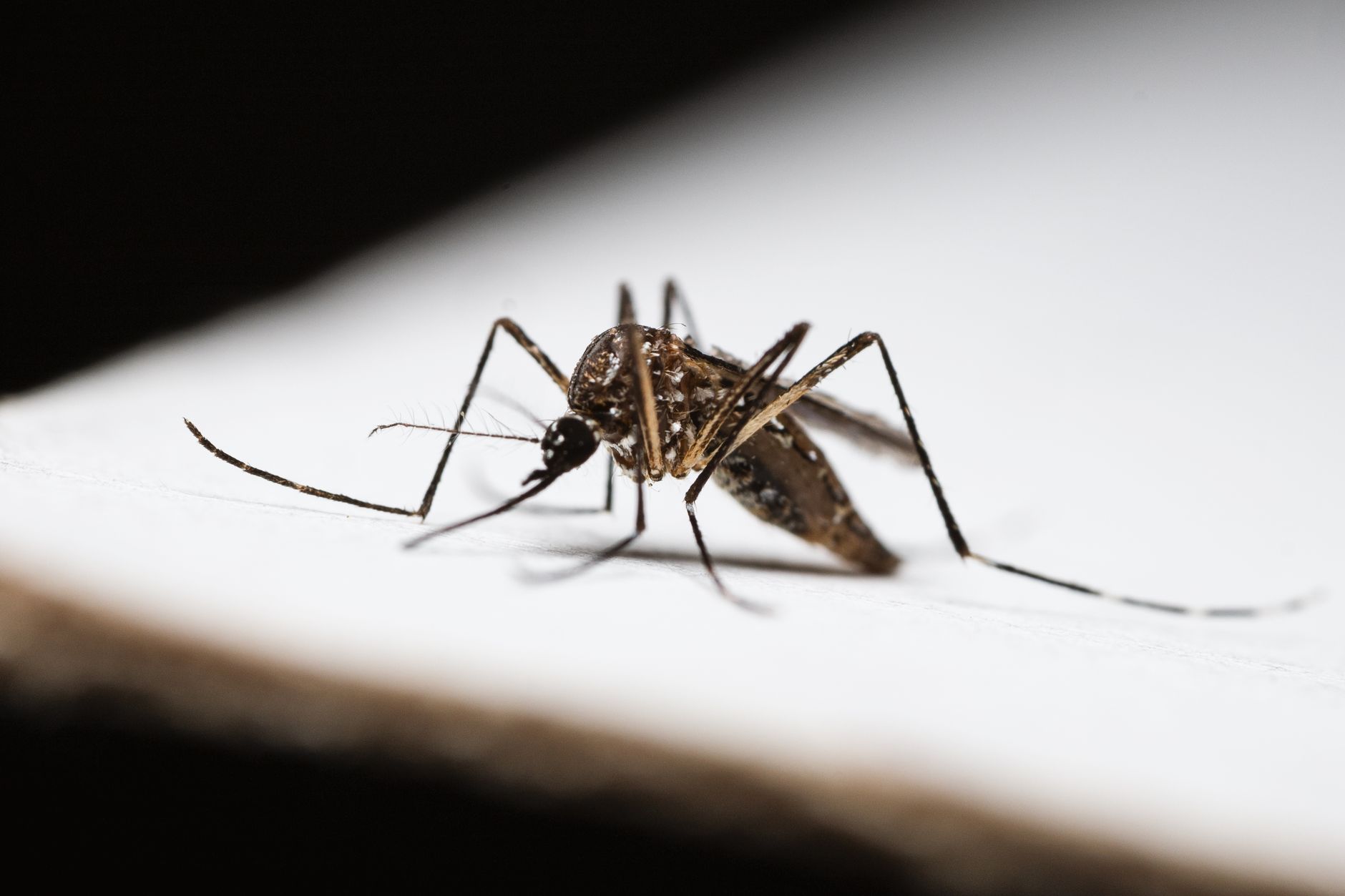
India has taken a major step forward in combating dengue fever with the regulatory approval of QDENGA, a dengue vaccine that promises broader protection against this mosquito-borne disease. This development comes at a crucial time when dengue cases continue to surge across the country, particularly during monsoon seasons.
Understanding Dengue's Impact in India
Dengue fever remains one of India's most pressing public health challenges. The disease, transmitted by Aedes mosquitoes, affects millions of Indians each year, with cases peaking during and after the monsoon months. The virus exists in four distinct serotypes, and infection with one type does not provide immunity against the others. In fact, subsequent infections with different serotypes can lead to severe dengue, which may cause life-threatening complications including dengue hemorrhagic fever and dengue shock syndrome.
Urban and semi-urban areas are particularly vulnerable due to factors like dense populations, inadequate water storage practices, and climate conditions that favor mosquito breeding. The economic burden is substantial, accounting for healthcare costs, lost productivity, and the strain on already overburdened hospital systems.
What Makes QDENGA Different
QDENGA represents a significant advancement in dengue prevention. Unlike earlier vaccines, this formulation is designed to provide protection against all four dengue serotypes. The vaccine uses a weakened live virus approach, where the vaccine contains attenuated forms of the dengue virus that can trigger an immune response without causing the disease itself.
One of the key distinguishing features of QDENGA is its applicability to both individuals who have previously been infected with dengue (seropositive) and those who have never had the disease (seronegative). This is particularly important because previous dengue vaccines had limitations regarding their use in seronegative populations.
The Vaccination Schedule and Target Population
The vaccine is administered in a two-dose schedule, with the second dose given three months after the first. This timeline allows the immune system to build robust protection against all four dengue serotypes. Clinical trials have shown promising results in terms of both safety and efficacy across different age groups.
The target population for QDENGA typically includes children and adults within specific age ranges, though exact recommendations may vary based on local regulatory guidelines and public health priorities. Healthcare authorities will likely focus initial rollout efforts on high-burden areas where dengue transmission is endemic.
Implications for Public Health Strategy
The approval of QDENGA does not mean that existing dengue prevention measures should be abandoned. Instead, vaccination will form part of an integrated approach to dengue control. Vector control measures remain essential, including:
- Eliminating mosquito breeding sites by removing stagnant water
- Using mosquito nets and repellents
- Community awareness programs about dengue prevention
- Improved surveillance and early detection systems
- Proper waste management to reduce mosquito habitats
Public health experts emphasize that vaccine introduction must be accompanied by strong healthcare infrastructure to manage the logistics of a two-dose vaccine program. This includes cold chain management, training healthcare workers, and ensuring equitable access across urban and rural areas.
Challenges Ahead
Despite this breakthrough, several challenges remain. The cost of the vaccine and its accessibility to economically disadvantaged populations will be critical factors in determining its overall impact. India's immunization program will need to integrate QDENGA effectively while maintaining coverage of existing vaccines.
Additionally, public awareness and acceptance of a new dengue vaccine will require sustained communication efforts. Addressing vaccine hesitancy and ensuring communities understand both the benefits and limitations of vaccination will be crucial for successful implementation.
Climate change poses another long-term challenge, as rising temperatures and changing rainfall patterns may expand the geographic range of dengue-carrying mosquitoes, potentially increasing the population at risk.
Looking Forward
The approval of QDENGA marks the beginning of a new chapter in India's dengue control efforts rather than an endpoint. Success will depend on effective implementation, continued investment in vector control, sustained research into dengue prevention, and collaboration between government agencies, healthcare providers, and communities.
As India moves forward with introducing this vaccine, monitoring its real-world effectiveness and safety will provide valuable data to refine public health strategies and potentially benefit other dengue-endemic countries.
This article is for general informational purposes only and should not be considered medical advice. Consult qualified healthcare professionals for specific guidance regarding dengue vaccination and prevention measures appropriate for your individual circumstances.