Saudi Arabia is making a concerted push to attract Indian tourists with a new digital visa package and enhanced tourism offerings, marking a significant shift in the Kingdom's approach to international tourism. This initiative reflects Saudi Arabia's broader Vision 2030 strategy to diversify its economy beyond oil revenues and establish itself as a major global tourism destination.
The Digital Visa Revolution
The introduction of a digital package visa specifically designed for Indian travelers represents a major step forward in accessibility. Traditionally, obtaining a Saudi visa required considerable paperwork, in-person appointments, and lengthy processing times. The new digital system allows Indian tourists to apply online, upload required documents electronically, and receive visa approval without visiting an embassy or consulate.
This streamlined process typically reduces processing time from several weeks to just a few days, making spontaneous travel planning more feasible. The digital platform also provides real-time updates on application status, payment processing, and visa issuance, offering transparency that was previously lacking in the system.
Beyond Mecca and Medina
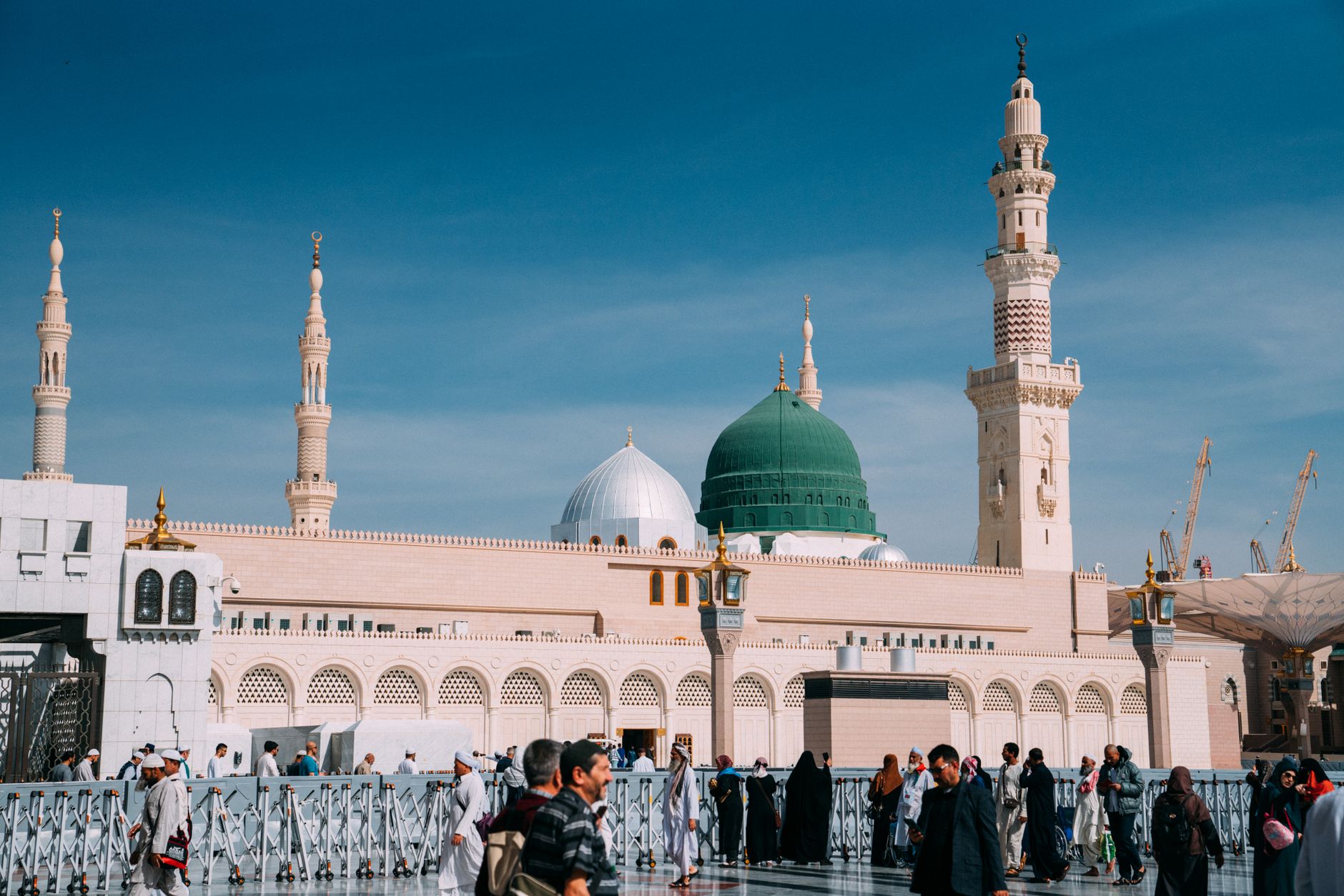
While Saudi Arabia has long welcomed Indian Muslims for Hajj and Umrah pilgrimages, the new tourism products aim to showcase the Kingdom's diverse attractions beyond its religious significance. The Saudi Tourism Authority is highlighting several key destinations and experiences designed to appeal to a broader Indian demographic.
The historic site of AlUla, often called the "world's largest living museum," features ancient Nabataean tombs and rock formations that rival Jordan's Petra. The Red Sea coastline offers pristine beaches and world-class diving opportunities, with new luxury resorts catering to families and honeymooners. Meanwhile, the futuristic city of Riyadh presents a blend of modern architecture, shopping destinations, and entertainment complexes.
Cultural and Adventure Tourism
Saudi Arabia's tourism offerings now include cultural festivals, adventure sports, and heritage experiences. The Kingdom has invested heavily in developing tourism infrastructure, including:
- Desert safari experiences with traditional Bedouin camps
- Rock climbing and hiking trails in mountainous regions
- Historical district tours in Jeddah and Riyadh
- Seasonal festivals celebrating Saudi culture and cuisine
- Formula E racing events and international entertainment shows
The country has also relaxed social restrictions for tourists, allowing unmarried couples to share hotel rooms and permitting women to travel without male guardians, making it more accessible for diverse types of travelers.
The Indian Market Opportunity
India represents a crucial market for Saudi Arabia's tourism ambitions. With a growing middle class, increasing disposable income, and a strong tradition of international travel, Indian tourists are among the world's fastest-growing outbound markets. Indians already constitute a significant portion of pilgrims visiting Saudi Arabia annually, providing name recognition and existing air connectivity.
The geographic proximity, with flight times of just four to five hours, makes Saudi Arabia an attractive short-haul destination for Indian families. The absence of significant time zone differences also appeals to business travelers and those seeking quick getaways.
Competitive Positioning
Saudi Arabia enters a competitive market where Indian tourists have numerous options, from Dubai and Singapore to European destinations. The Kingdom is positioning itself as offering unique experiences unavailable elsewhere, combining authentic Arabian culture with modern luxury at competitive price points.
The digital visa package helps Saudi Arabia compete with destinations like the UAE, which has long offered visa-on-arrival facilities for Indian nationals. By reducing bureaucratic barriers, Saudi officials hope to capture market share from regional competitors.
Infrastructure Development
Supporting this tourism push is massive infrastructure investment. Saudi Arabia has allocated billions of dollars to develop hotels, airports, and tourist facilities. New international airport terminals in Riyadh and Jeddah are being expanded to handle increased passenger volumes. Local tour operators are being trained to cater to Indian preferences, including vegetarian dining options and Hindi-speaking guides.
Looking Forward
The success of Saudi Arabia's tourism initiative will depend on sustained marketing efforts, competitive pricing, and consistent service delivery. The Kingdom faces the challenge of balancing cultural authenticity with international tourist expectations while managing the pace of social change.
For Indian travelers, Saudi Arabia now offers an intriguing alternative destination that combines ease of access, diverse experiences, and value for money. As the digital visa system becomes operational and tourism products mature, we may see a significant increase in Indian tourist arrivals in the coming years, contributing to the Kingdom's ambitious tourism targets under Vision 2030.