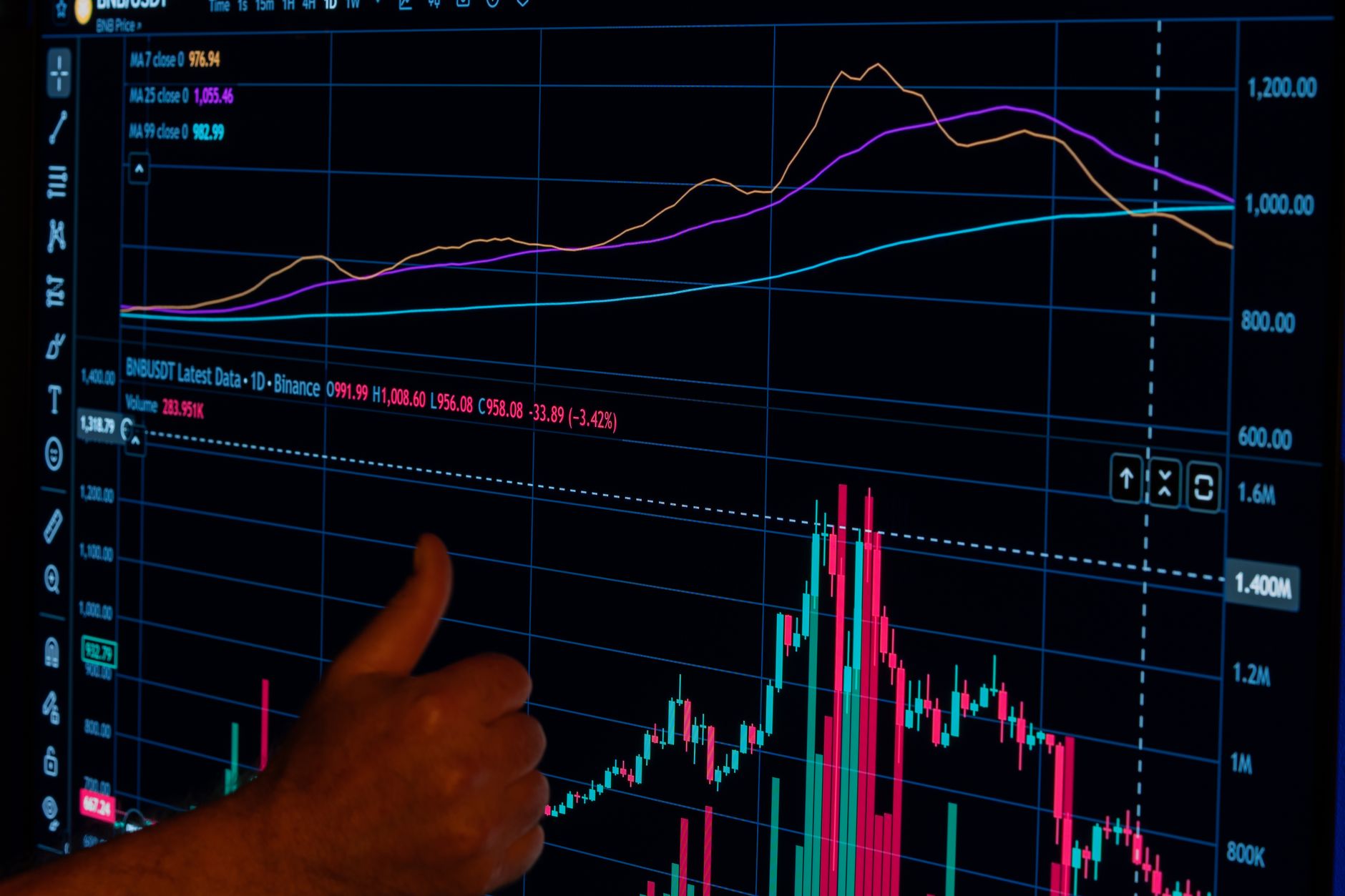
Indian stock markets opened on an optimistic note today, with the benchmark Sensex and Nifty indices posting gains in early trading hours. The rally was primarily driven by information technology stocks, as market participants adopted a cautious yet positive stance ahead of the corporate earnings season for the first quarter.
Understanding the Market Movement
The Sensex and Nifty are India's two most closely watched stock market indices. The Sensex, or the BSE Sensitive Index, comprises 30 of the largest and most actively traded stocks on the Bombay Stock Exchange. The Nifty 50, managed by the National Stock Exchange, tracks 50 major companies across various sectors. When both indices move higher simultaneously, it generally indicates broad-based optimism among investors.
Today's upward movement reflects investor confidence as the market enters a critical period of quarterly earnings announcements. These earnings reports provide crucial insights into how companies have performed financially over the past three months and offer guidance on future prospects.
Why IT Stocks Are Leading the Charge
The information technology sector has emerged as the frontrunner in today's rally. Indian IT companies have several factors working in their favor currently. The global digital transformation wave continues to drive demand for IT services, with businesses worldwide investing heavily in cloud computing, artificial intelligence, and cybersecurity solutions.
Additionally, many Indian IT firms generate substantial revenue from international markets, particularly the United States and Europe. Currency movements often benefit these companies when the rupee weakens against major currencies, making their services more competitive in global markets.
Major IT companies like Tata Consultancy Services, Infosys, Wipro, and HCL Technologies typically command significant weightage in the indices, meaning their performance can substantially influence overall market direction.
The Significance of Q1 Earnings Season
The first quarter earnings season is particularly important for several reasons. It sets the tone for the entire financial year and helps investors gauge whether companies are meeting their projected targets. After months of anticipation and speculation, actual financial results provide concrete data that either validates or challenges market expectations.
Investors closely watch several key metrics during earnings season, including revenue growth, profit margins, management commentary on business outlook, and guidance for upcoming quarters. Strong earnings typically boost investor confidence and can trigger further buying activity, while disappointing results may lead to corrections.
What Investors Should Watch
As the earnings season unfolds, market participants should pay attention to several critical factors. Sectoral performance will be crucial, as different industries face varying headwinds and tailwinds. The IT sector's commentary on deal pipelines and client spending patterns will offer insights into global economic health.
Management discussions about input costs, margin pressures, and pricing power will reveal how companies are navigating inflationary challenges. Corporate guidance on future quarters will help investors assess whether current valuations are justified.
The broader macroeconomic environment also plays a role. Factors like monsoon progress, which affects agricultural output and rural demand, global crude oil prices, foreign institutional investor flows, and central bank monetary policy decisions all influence market sentiment.
Navigating Market Volatility
While today's positive opening offers encouragement, investors should remember that earnings seasons often bring increased volatility. Individual stocks can experience sharp movements based on their quarterly results, even if the broader market remains stable.
For long-term investors, earnings season presents opportunities to reassess portfolio holdings and identify quality companies trading at attractive valuations. Rather than reacting to daily market fluctuations, maintaining focus on fundamental business quality and reasonable valuations typically yields better outcomes.
Short-term traders, meanwhile, should exercise caution as earnings announcements can trigger unexpected price movements. Using appropriate risk management tools like stop-loss orders becomes especially important during volatile periods.
The Road Ahead
As more companies announce their results in coming weeks, a clearer picture will emerge about corporate India's health. The performance of key sectors like banking, automobiles, fast-moving consumer goods, and pharmaceuticals will provide valuable insights into different aspects of the economy.
Global factors including geopolitical developments, interest rate decisions by major central banks, and economic data from key markets will continue influencing investor sentiment alongside domestic earnings.
This article is for general information purposes only and should not be considered as investment advice. Investors should conduct their own research or consult with qualified financial advisors before making investment decisions. Past market performance does not guarantee future results.