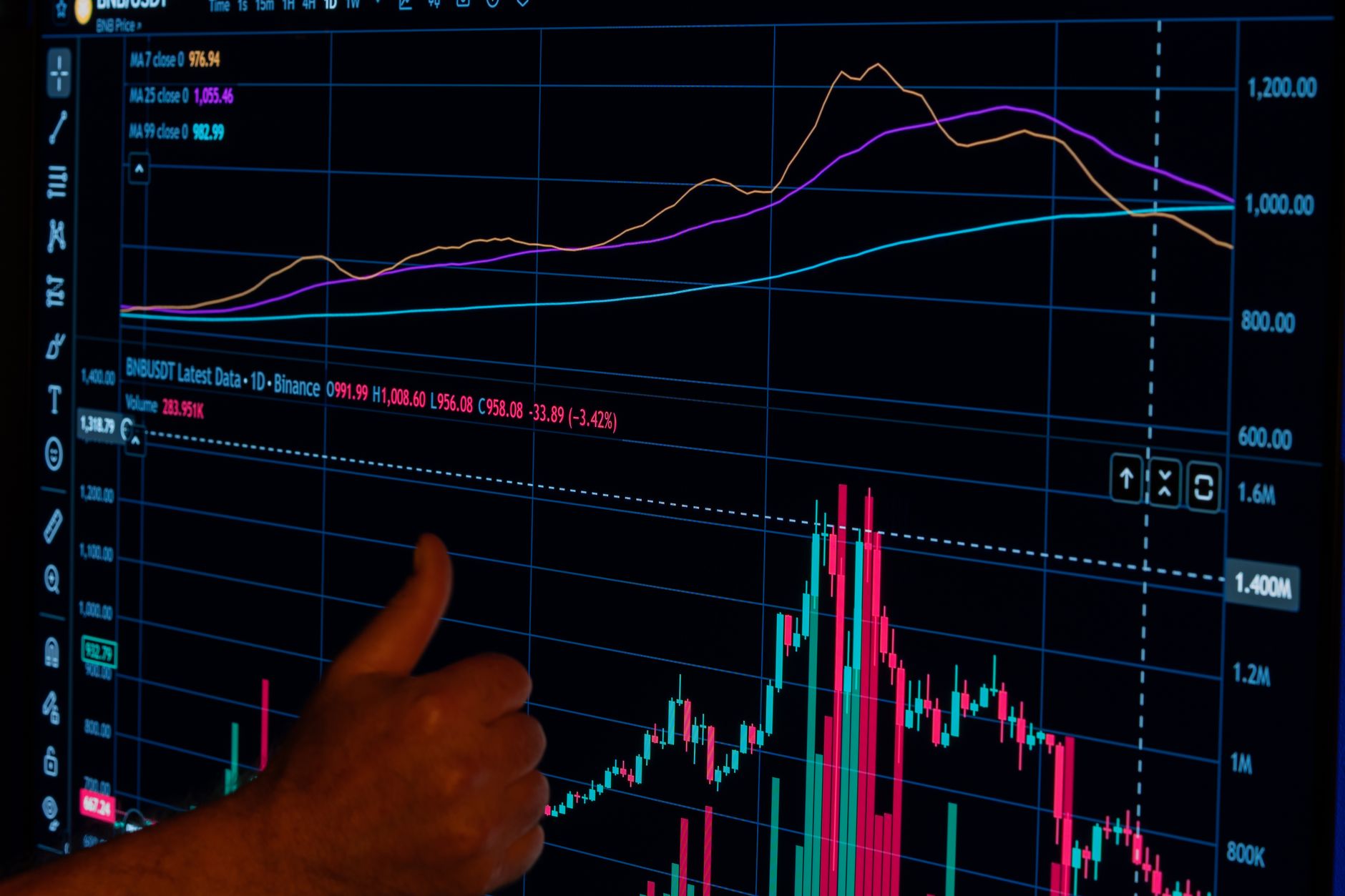
Indian equity markets experienced significant turbulence today as the BSE Sensex plummeted approximately 900 points while the NSE Nifty50 closed below the psychological mark of 23,800. This sharp correction has left investors concerned about the near-term outlook for domestic equities. Several interconnected factors contributed to this sell-off across indices.
Global Economic Concerns and Foreign Institutional Selling
Foreign Institutional Investors (FIIs) have been net sellers in Indian equities recently, creating sustained pressure on benchmark indices. When FIIs withdraw capital from emerging markets like India, it creates a supply-demand imbalance that pushes prices downward. Global economic uncertainties, including concerns about recession in developed economies, often prompt foreign investors to reduce exposure to riskier emerging market assets and move toward safer havens like US Treasury bonds or gold.
The strengthening of the US dollar against global currencies also makes dollar-denominated investments more attractive compared to emerging market equities, further encouraging FII outflows from Indian markets.
Rising Crude Oil Prices Impact
India imports approximately 85 percent of its crude oil requirements, making the economy particularly vulnerable to fluctuations in global energy prices. Any sharp uptick in crude oil prices raises concerns about India's current account deficit and inflationary pressures. Higher oil prices increase input costs for industries, squeeze corporate profit margins, and reduce consumer purchasing power as fuel and transportation costs rise.
When oil prices surge, it creates a domino effect across sectors, particularly affecting paint, aviation, logistics, and automobile companies, all of which are significant constituents of major indices.
Disappointing Corporate Earnings
Quarterly earnings season often serves as a reality check for market valuations. When major companies report earnings that fall short of analyst expectations or provide subdued forward guidance, it triggers reassessment of stock valuations. Weakness in corporate profitability, declining sales growth, or margin compression can quickly erode investor confidence.
Sectors facing headwinds from slowing consumption, elevated inventory levels, or competitive pressures may see particularly sharp corrections as investors recalibrate their growth expectations downward.
Valuation Concerns and Profit Booking
Indian markets have witnessed significant rallies over extended periods, pushing valuations to elevated levels by historical standards. When price-to-earnings ratios climb substantially above long-term averages, markets become vulnerable to corrections. Investors who have accumulated substantial gains often use any negative trigger as an opportunity to book profits.
High valuations leave little room for error, meaning any disappointment in economic data, earnings, or policy developments can trigger disproportionate selling as the risk-reward equation becomes unfavorable.
Domestic Economic Data and Policy Uncertainty
Weak domestic economic indicators such as slower GDP growth, disappointing manufacturing or services PMI data, or weakness in consumption trends can dampen market sentiment. Additionally, uncertainty surrounding government policies, tax regulations, or regulatory changes in specific sectors can create anxiety among investors.
Concerns about inflation remaining sticky despite monetary tightening, or uncertainty about the future trajectory of interest rates, also contribute to market volatility. When the economic growth outlook becomes clouded, investors typically adopt a more cautious stance.
What Should Investors Do?
Market corrections are a normal feature of equity investing and often create opportunities for long-term investors. Rather than making panic-driven decisions, investors should review their portfolio allocation, reassess their risk tolerance, and ensure their investments align with their financial goals and time horizons.
Those with long investment horizons might view corrections as opportunities to accumulate quality stocks at more reasonable valuations. However, attempting to time the market bottom is notoriously difficult even for professional investors.
Diversification across asset classes, maintaining adequate emergency funds outside equity investments, and avoiding excessive leverage remain fundamental principles that help investors weather market volatility.
This article is for general informational purposes only and should not be construed as investment advice. Investors should conduct their own research or consult with qualified financial advisors before making investment decisions. Past performance is not indicative of future results, and all investments carry risk including potential loss of principal.