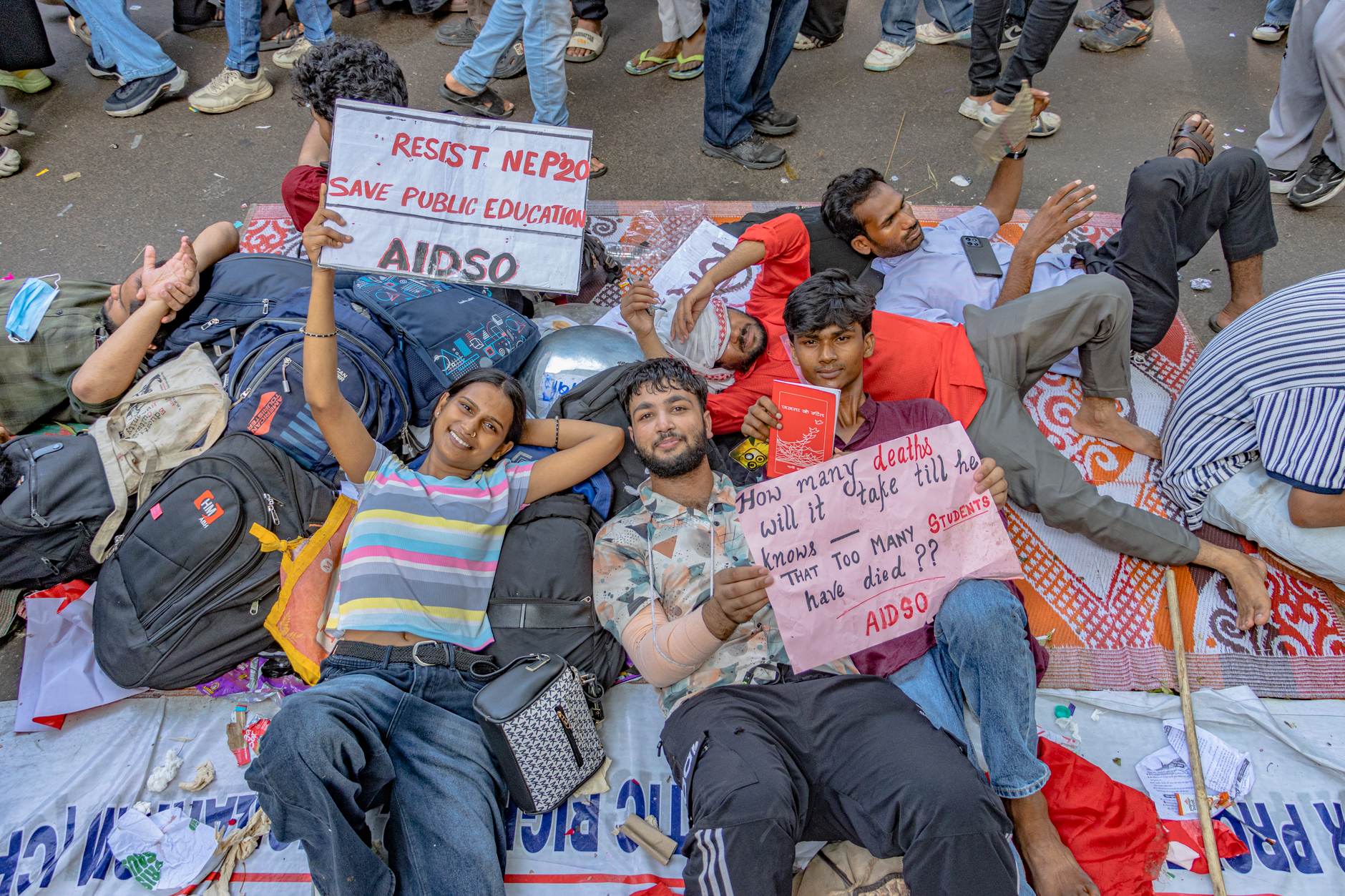
In a significant development that underscores the power of sustained student activism, an Indian education minister has resigned following prolonged protests that captured national attention. The demonstrations, which students dubbed the 'Cockroach' protests, have been celebrated as a watershed moment for youth-led political movements in India.
The Background of the Protests
Student protests in India have a long and storied history, often serving as catalysts for broader social and political change. In this case, the movement appears to have originated from grievances related to education policy, administration, or governance issues that directly affected students and educational institutions. The creative naming of the protests as 'Cockroach' demonstrations reflects the protesters' strategy of being persistent, resilient, and difficult to ignore—much like the insect itself.
Indian students have historically been at the forefront of democratic movements, from the independence struggle to contemporary debates about educational access, quality, and policy. This latest success adds to that legacy and demonstrates that coordinated youth activism can still achieve tangible results in India's complex political environment.
Key Demands and Grievances
While specific demands can vary by region and institution, student protests in India typically center around several recurring themes:
- Quality of education and inadequate infrastructure
- Examination policies and grading systems
- Fee hikes and financial accessibility
- Administrative transparency and accountability
- Hiring practices and faculty appointments
- Autonomy of educational institutions
- Implementation of reservation policies
The success of these particular protests suggests that students were able to maintain unity around core demands and sustain momentum despite potential obstacles such as academic schedules, administrative pressure, or political resistance.
The Power of Youth Activism
The resignation of a minister in response to student protests is relatively uncommon, making this outcome particularly noteworthy. It demonstrates several important aspects of contemporary Indian democracy:
Youth engagement remains a vital force in holding officials accountable. When students organize effectively and maintain pressure over time, they can influence political outcomes even in systems where institutional power may seem entrenched.
Social media and digital connectivity have amplified the reach and impact of student movements. Modern protests can gain national and international attention quickly, making it difficult for authorities to ignore or dismiss them.
The 'Cockroach' moniker itself shows the creative communication strategies employed by today's student activists. By choosing a memorable and meaningful name, protesters ensured their movement would be easily recognized and discussed across media platforms.
Implications for Education Governance
This ministerial resignation sends important signals to education administrators and policymakers across India. It suggests that students expect genuine responsiveness to their concerns and are willing to mobilize when they feel unheard or mistreated.
Educational institutions may need to develop more robust channels for student feedback and grievance redressal to prevent similar escalations in the future. Proactive dialogue between administrators, policymakers, and student representatives could help address concerns before they reach crisis points.
Challenges Ahead
While the immediate goal of securing the minister's resignation has been achieved, sustaining momentum for long-term educational reform presents its own challenges. Student movements often struggle to maintain cohesion once specific targets are met, and translating protest energy into institutional change requires different skills and strategies.
The appointment of a new minister will be closely watched by students and education stakeholders. Whether this resignation leads to meaningful policy changes or merely a change in personnel remains to be seen. Students will likely need to remain vigilant to ensure their concerns are addressed substantively, not just symbolically.
Broader Context
This development occurs against the backdrop of ongoing debates about India's education system, including discussions about curriculum reform, the National Education Policy, and the balance between central and state authority in education governance. Student activism continues to play a crucial role in shaping these conversations and ensuring that youth voices are heard in policy formulation.
The success of the 'Cockroach' protests may inspire similar movements in other states or institutions where students feel their concerns are being overlooked. It demonstrates that persistent, organized activism can yield results even when confronting established political structures.