Central banks worldwide face a deceptively simple question: should they replace traditional paper currency with plastic polymer banknotes? What appears as a straightforward infrastructure upgrade reveals itself as a nuanced investment decision with far-reaching implications for national economies, manufacturing sectors, and public finance.
The Investment Proposition
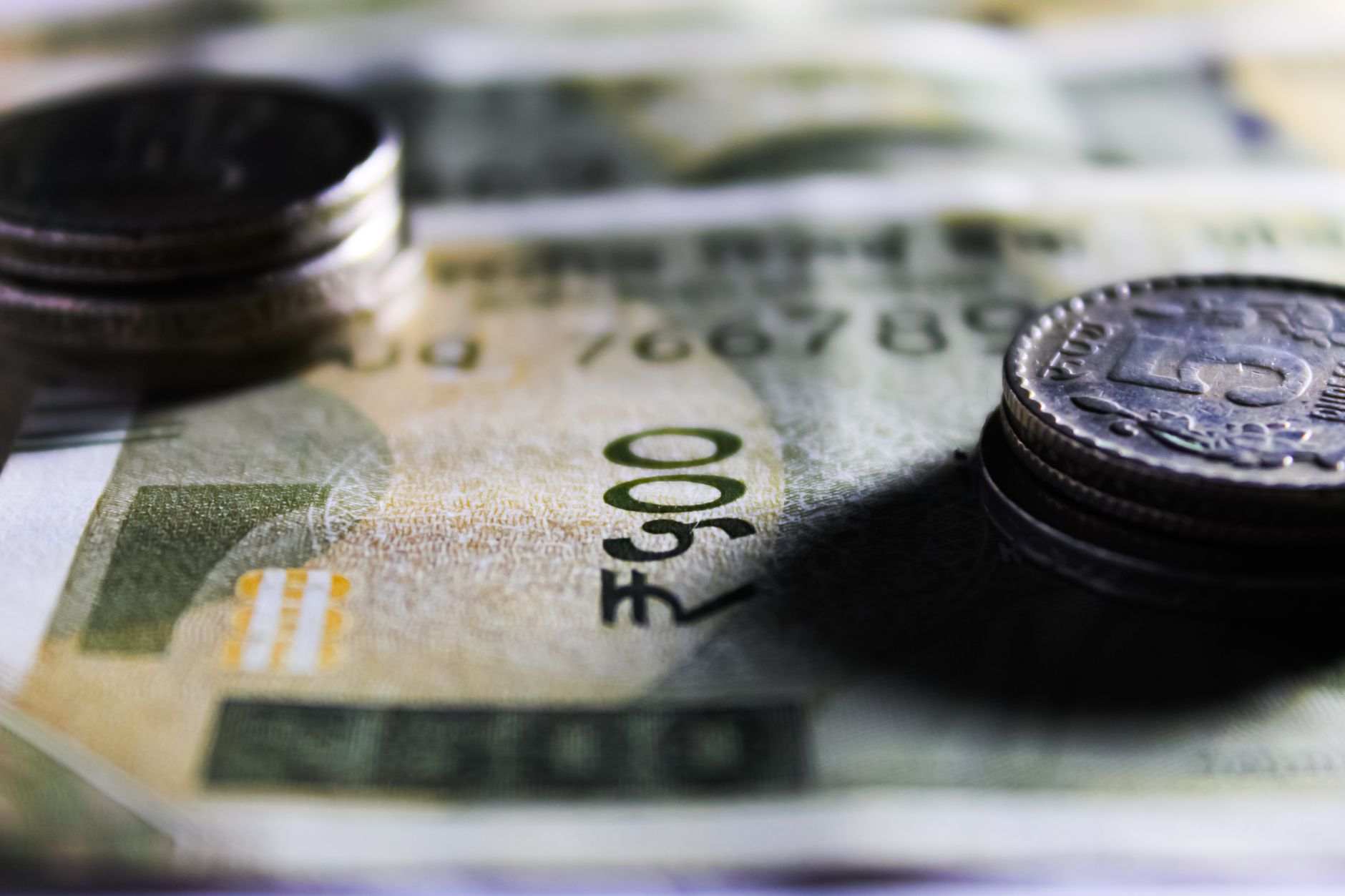
Polymer banknotes, made from biaxially oriented polypropylene, present an attractive cost-benefit analysis on paper. These notes typically last 2.5 to 4 times longer than cotton-paper currency, reducing the frequency of replacement. For a country like India, where billions of notes circulate daily through harsh conditions—monsoons, heat, and extensive handling—this durability advantage translates into substantial long-term savings.
The initial investment, however, is considerable. Establishing polymer note production requires specialized printing facilities, new security feature integration, and staff retraining. The per-unit manufacturing cost of polymer notes ranges 50-100% higher than traditional paper notes, creating a significant upfront capital requirement that smaller economies might struggle to justify.
Security Features and Counterfeiting Prevention
From an investment security perspective, polymer notes offer advanced anti-counterfeiting technologies. Transparent windows, holographic elements, and tactile features are easier to incorporate into polymer substrates than paper. Countries that have adopted polymer currency—including Australia, Canada, the United Kingdom, and Vietnam—report significant reductions in counterfeit circulation.
This security enhancement protects not just individual transactions but entire financial systems. Counterfeiting undermines monetary policy effectiveness, erodes public confidence, and creates unofficial money supply expansion. The investment in polymer technology thus serves as insurance against these systemic risks.
Environmental and Sustainability Considerations
The environmental case remains genuinely tricky. Polymer notes are recyclable and their extended lifespan means fewer replacements, reducing resource consumption over time. However, they're petroleum-based products that don't biodegrade naturally, unlike cotton-paper notes which decompose relatively quickly.
Manufacturing polymer notes generates different environmental impacts than paper production—less water consumption but more energy intensity. For nations committed to sustainability goals, this trade-off requires careful analysis. Some countries have developed recycling programs that convert retired polymer notes into plastic products, though the infrastructure for such programs requires additional investment.
Public Acceptance and Behavioral Economics
Investment decisions cannot ignore human factors. Polymer notes feel different, handle differently, and require adjustment from both consumers and cash-handling businesses. Vending machines, ATMs, and counting equipment need recalibration or replacement—an externalized cost that affects private sector stakeholders.
Cultural attachment to traditional currency can create unexpected resistance. Cash remains emotionally significant in many societies, and changing its physical nature involves psychological dimensions that pure cost-benefit analysis overlooks.
The Manufacturing and Trade Dimension
Currency production represents a strategic domestic industry. Countries with established paper currency manufacturing facilities face difficult choices: retool existing infrastructure or build entirely new production lines? This decision affects employment, industrial capacity, and potentially national security concerns around currency production sovereignty.
International suppliers dominate the polymer substrate market, with limited manufacturers globally. This concentration creates supply chain vulnerabilities and ongoing dependency that contrasts with more diversified paper currency materials. For nations prioritizing economic independence, this dependency factor weighs heavily in investment deliberations.
Emerging Market Considerations
For developing economies, the case becomes particularly complex. Nations with large informal economies and significant rural populations depending on cash transactions must weigh the durability benefits against adoption challenges. Limited banking infrastructure in remote areas means currency endures harsher conditions but also that public education about new note features becomes more challenging and costly.
The investment timing matters significantly. Early adopters bore higher costs and implementation risks, while later entrants benefit from established best practices and potentially lower technology costs. However, delaying also means continuing to absorb the costs of frequent paper note replacement.
Hybrid Approaches
Some countries adopt hybrid strategies, introducing polymer notes for high-circulation denominations while maintaining paper notes for others. This staged approach reduces upfront investment, allows public adjustment time, and provides practical data for full-scale decisions. India experimented with polymer notes for specific denominations before broader implementation decisions.
The tricky case for plastic banknotes ultimately reflects how seemingly technical decisions involve complex intersections of economics, technology, culture, and strategy. Each nation must evaluate its unique circumstances, existing infrastructure, and long-term monetary policy goals when considering this substantial investment in its financial future.