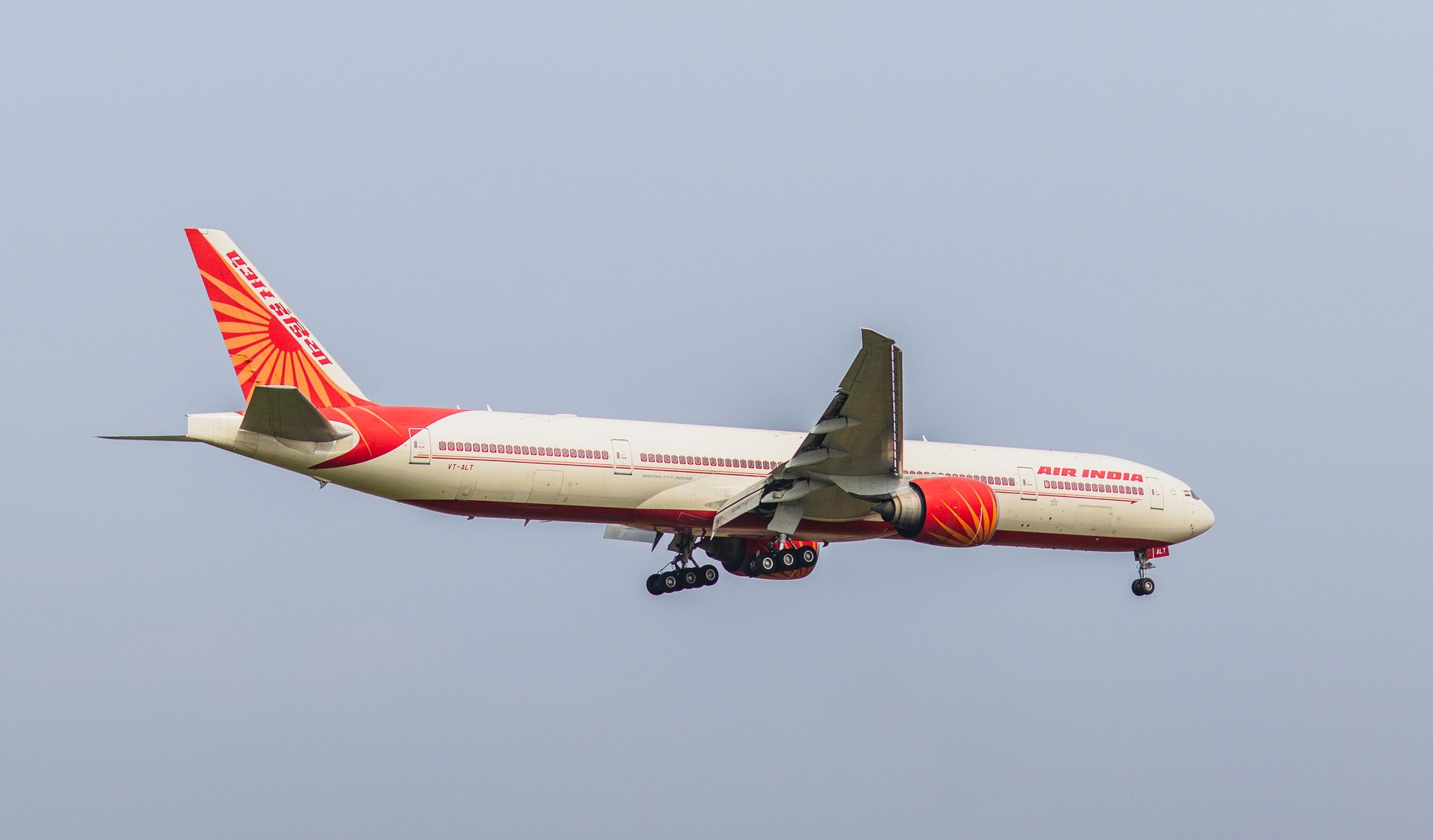
The Ministry of Tourism's strategic partnership with Air India marks a significant step in India's efforts to position itself as a premier global travel destination. This collaboration brings together the government's tourism promotion machinery with the national carrier's extensive reach across international markets, creating synergies that could substantially boost visitor arrivals to India.
Understanding the Strategic Partnership
This partnership represents a coordinated approach to tourism marketing, where Air India's flight routes, in-flight services, and customer touchpoints become platforms for showcasing India's diverse tourism offerings. The collaboration typically involves joint promotional campaigns, co-branded marketing materials, and integrated advertising efforts across Air India's global network.
For travelers, this means increased visibility of Indian destinations at multiple stages of their journey planning and travel experience. From booking platforms to in-flight entertainment systems, potential visitors will encounter curated content about India's cultural heritage, natural landscapes, adventure tourism opportunities, and emerging destinations.
Air India's Expanding Global Footprint
Air India has been undergoing significant transformation following its acquisition by the Tata Group. The airline has been expanding its international routes, modernizing its fleet, and enhancing service quality. This expansion makes it an ideal partner for tourism promotion, as it connects India to key source markets in North America, Europe, the Middle East, and Asia-Pacific regions.
The carrier's presence in major global cities provides direct access to high-value tourism markets. Business travelers and diaspora communities using Air India services also represent important segments who can be influenced to explore leisure tourism opportunities in India or recommend destinations to their networks abroad.
Potential Impact on Tourism Numbers
India has been working to increase its share of global tourist arrivals, which remains modest compared to the country's vast tourism potential. According to industry estimates, India receives approximately 10 million foreign tourist arrivals annually, a number the government aims to significantly increase through initiatives like the Dekho Apna Desh campaign and now this airline partnership.
Such collaborations can create measurable impact through:
- Enhanced destination awareness in key international markets
- Improved perception of India as an accessible and welcoming destination
- Better coordination between aviation capacity and tourism demand
- Cross-promotional opportunities during peak travel seasons
- Leveraging Air India's premium customer base for luxury tourism promotion
What This Means for Different Traveler Segments
For international tourists, the partnership could translate into better integrated travel packages, special fares for tourism circuits, and more comprehensive information about visa procedures, local transportation, and accommodation options. First-time visitors to India often cite concerns about planning complexity, and airline partnerships can help address these barriers.
Domestic tourists may also benefit from initiatives that promote lesser-known destinations within India, encouraging exploration beyond traditional tourist circuits. Air India's domestic network can support the government's objective of distributing tourism benefits more evenly across states and regions.
The Broader Tourism Ecosystem
This partnership fits into India's larger tourism development strategy, which includes infrastructure development, digital initiatives like the Incredible India website and app, participation in international travel fairs, and collaboration with state tourism boards. The aviation-tourism nexus is particularly crucial because air connectivity often determines whether destinations can realize their tourism potential.
States with new or expanded air connectivity typically witness measurable increases in tourist footfall. The coordination between the Tourism Ministry and Air India could help identify underserved routes where increased flights could unlock tourism growth, creating a virtuous cycle of demand and supply.
Looking Ahead
The success of this partnership will depend on execution quality, sustained commitment from both parties, and the ability to measure and optimize campaigns based on results. Other countries have demonstrated that well-coordinated efforts between national carriers and tourism boards can significantly enhance destination competitiveness in the global tourism market.
For India, with its extraordinary diversity of experiences ranging from Himalayan adventures to tropical beaches, spiritual tourism to wildlife safaris, and culinary journeys to heritage exploration, effective promotion through multiple channels including the national carrier could help convert awareness into actual visits and establish India firmly among the world's top tourism destinations.