Hunger strikes have long been employed as a non-violent method of protest across the world, with India having a particularly notable history of such demonstrations. When individuals voluntarily abstain from food to draw attention to social or political causes, they subject their bodies to extreme physiological stress that can lead to serious health complications and, in some cases, death.
What Happens During a Hunger Strike
The human body is remarkably resilient but requires consistent nutrition to maintain its complex functions. When food intake stops, the body enters a series of adaptive phases to preserve vital organs and sustain life.
During the first 24-72 hours, the body depletes its glycogen stores from the liver and muscles. This phase may cause fatigue, headaches, and irritability but is generally not life-threatening. However, as the strike continues, the body begins breaking down fat reserves for energy through a process called ketosis.
After approximately one week without food, the body enters a critical phase where it starts consuming muscle tissue for protein. This includes not just skeletal muscles but potentially cardiac muscle as well, creating serious risks for heart function.
Critical Health Complications
Extended food deprivation triggers a cascade of medical complications that worsen progressively:
- Severe electrolyte imbalances affecting heart rhythm and nerve function
- Dangerous drops in blood pressure and heart rate
- Weakened immune system making infections more likely
- Organ damage, particularly to the kidneys and liver
- Cognitive impairment and confusion
- Muscle wasting including heart muscle deterioration
- Vitamin and mineral deficiencies affecting all body systems
The timeline of these complications varies based on the individual's initial health status, body mass index, hydration levels, and whether they consume water during the strike. Generally, medical experts consider hunger strikes lasting beyond three weeks to pose severe life-threatening risks.
The Role of Hydration
Many hunger strikers continue drinking water, which can significantly extend survival time compared to dry hunger strikes. Water helps maintain kidney function and prevents dehydration, but it cannot prevent the progressive breakdown of body tissues that occurs without caloric intake.
Some protesters consume only water and salt, which helps maintain basic electrolyte balance but still leads to severe malnutrition over time. Others may consume limited liquids like juice or glucose water, which technically breaks the complete fast but still results in severe caloric restriction.
Medical Monitoring and Intervention
Healthcare professionals often face ethical dilemmas when treating hunger strikers. While medical ethics require doctors to preserve life, hunger strikers are typically making a conscious choice to refuse food.
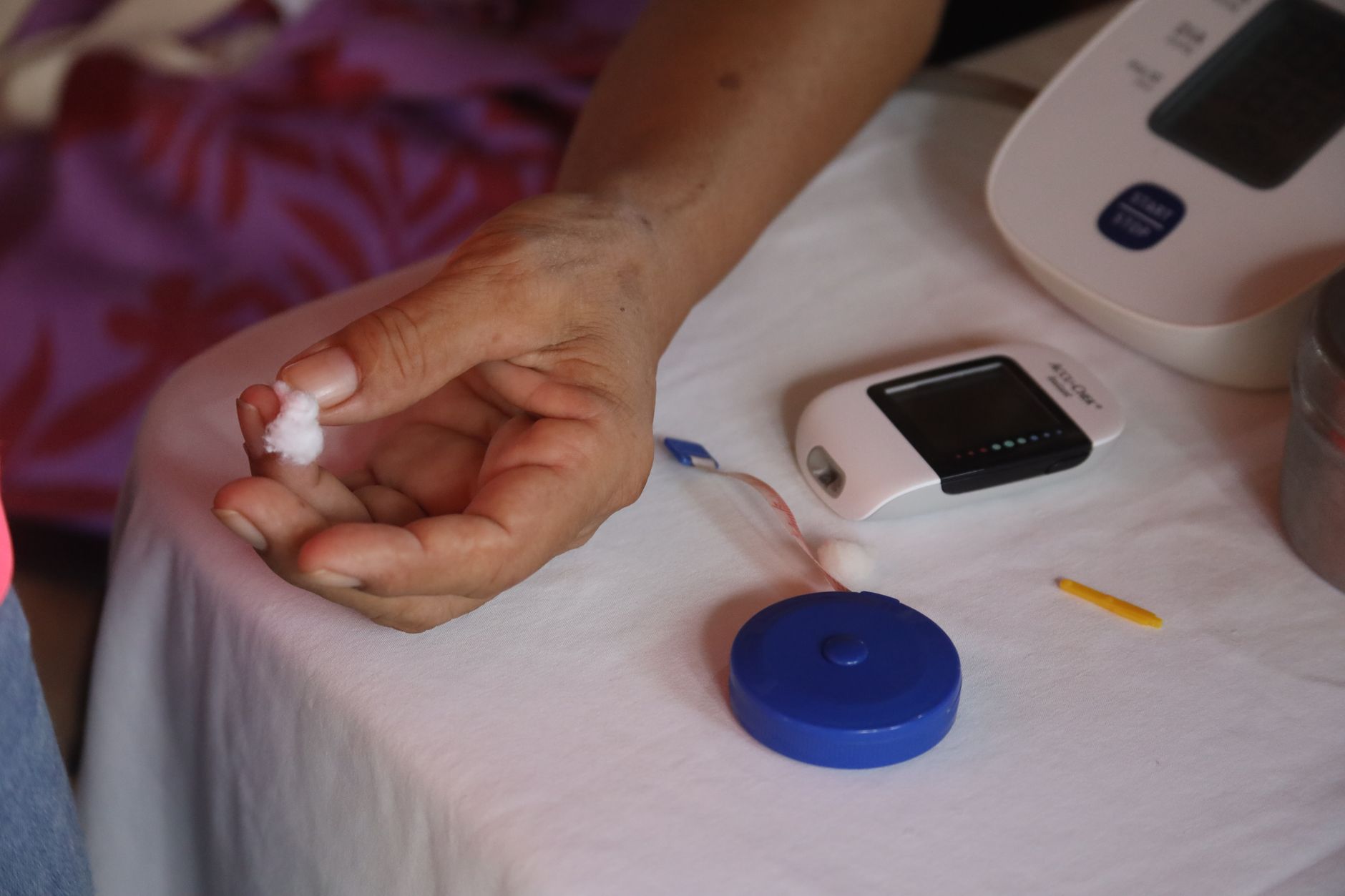
Medical monitoring during hunger strikes typically includes:
- Regular vital sign checks including blood pressure and heart rate
- Blood tests to monitor electrolyte levels and organ function
- Assessment of consciousness and mental status
- Evaluation for signs of organ failure
- Monitoring for dangerous cardiac arrhythmias
In some jurisdictions, authorities may seek court orders for forced feeding when a striker's life is in immediate danger, though this practice remains controversial and is viewed by many human rights organizations as violating personal autonomy.
Long-term Health Consequences
Even if a hunger strike ends before causing death, survivors often face lasting health effects. Refeeding syndrome poses a particular danger when nutrition is resumed, as the sudden influx of nutrients can cause dangerous shifts in electrolytes and fluids.
Long-term complications may include:
- Permanent organ damage, especially to kidneys and heart
- Chronic digestive problems
- Osteoporosis from calcium depletion
- Neurological damage from vitamin deficiencies
- Weakened immune system function
- Psychological trauma
The Broader Context
Hunger strikes as protest tools raise important questions about bodily autonomy, effective activism, and societal responsibility. While they can draw significant attention to causes, the severe health risks make them extreme measures of last resort.
Understanding the medical implications helps contextualize both the dedication of protesters willing to risk their lives for their causes and the urgent need for dialogue and resolution before health damage becomes irreversible.
This article is for general informational purposes only and is not intended as medical advice. Anyone considering a hunger strike or dealing with severe nutritional deprivation should seek immediate medical attention from qualified healthcare professionals.
===END===