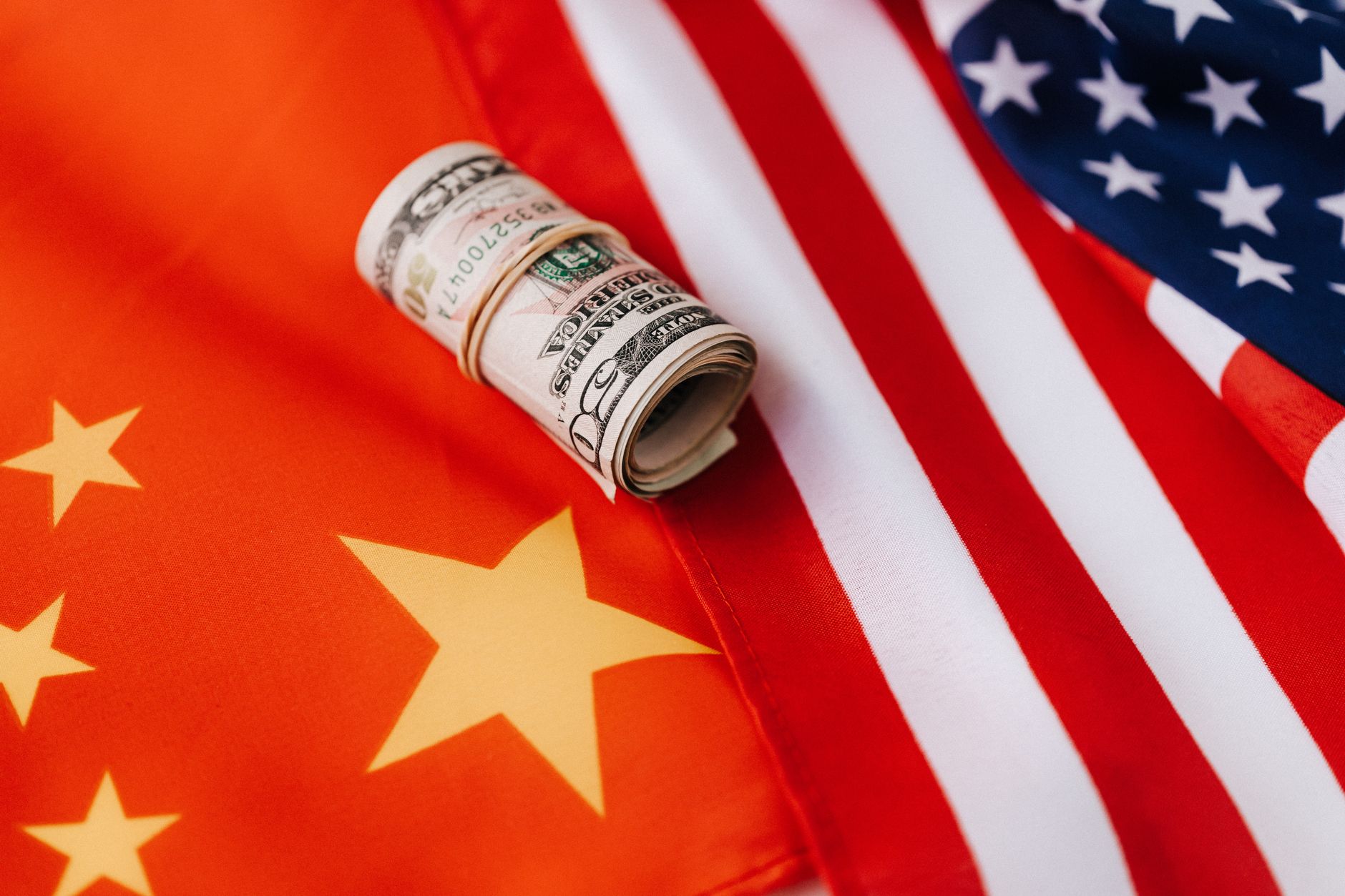
Indian investors looking to diversify their portfolios internationally face an interesting dilemma today. While US equity markets continue their seemingly unstoppable march to fresh record highs, Chinese stocks remain significantly discounted despite being the world's second-largest economy. Understanding where to allocate your international investment dollars requires examining both opportunities through multiple lenses.
The Case for US Markets
The United States equity market has demonstrated remarkable resilience and growth over the past decade. The S&P 500 and Nasdaq have delivered consistent returns, driven by technology giants, strong corporate earnings, and a robust innovation ecosystem. American markets benefit from transparent regulatory frameworks, strong investor protection laws, and deep liquidity.
For Indian investors, US exposure offers access to global technology leaders like Apple, Microsoft, and Nvidia—companies that dominate their respective industries worldwide. The dollar-denominated returns also provide a natural hedge against rupee depreciation, which has historically trended downward against the greenback.
However, valuations are stretched. Many US stocks trade at premium price-to-earnings ratios compared to historical averages. The record highs mean investors buying today are purchasing at peak prices, potentially limiting future upside while increasing downside risk if corrections occur.
The Opportunity in Chinese Markets
Chinese equities present a contrarian opportunity. Despite being home to massive companies like Alibaba, Tencent, and BYD, Chinese stocks trade at significant discounts to their US counterparts. The Shanghai Composite and Hang Seng indices have underperformed dramatically, creating potential value opportunities.
Several factors contribute to these depressed valuations. Regulatory crackdowns on technology companies, ongoing property sector concerns, geopolitical tensions with the West, and slower economic growth have all dampened investor enthusiasm. These headwinds have created a situation where fundamentally strong businesses trade at bargain valuations.
China's government has recently introduced stimulus measures and shown willingness to support markets, which could catalyze a recovery. The country remains a manufacturing powerhouse and leader in electric vehicles, renewable energy, and various technology segments.
Risk Considerations
Both markets carry distinct risks that Indian investors must evaluate carefully.
US market risks include:
- Elevated valuations increasing correction vulnerability
- Interest rate sensitivity affecting tech-heavy indices
- Potential dollar strength limiting rupee-denominated returns
- Concentration risk in a few mega-cap technology stocks
Chinese market risks include:
- Regulatory unpredictability and government intervention
- Geopolitical tensions affecting investor sentiment
- Corporate governance and transparency concerns
- Capital control restrictions potentially limiting repatriation
- Slower economic growth trajectory than previous decades
Investment Approaches for Indian Investors
Rather than choosing one market exclusively, a balanced approach often serves retail investors best. Consider these strategies:
Diversification across both regions allows you to capture US market stability while positioning for potential Chinese market recovery. A 60-40 or 70-30 split favoring US exposure might balance growth with value opportunities.
Investment vehicles matter significantly. Indian investors can access international markets through:
- International mutual funds and ETFs available on Indian platforms
- Direct equity through LRS remittances up to USD 250,000 annually
- Fund of funds structures offering simplified access
- Global index funds providing broad market exposure
Time Horizon and Goals Matter
Your investment timeline should heavily influence allocation decisions. Longer time horizons can accommodate the volatility and uncertainty in Chinese markets while riding out potential US corrections. Shorter timeframes might favor the relative stability of US markets despite premium valuations.
Consider your overall portfolio composition. If your domestic Indian equity exposure already provides emerging market characteristics, US developed market exposure might offer better diversification benefits. Conversely, if you hold significant dollar assets, adding Chinese exposure provides geographic diversification.
The Verdict
Neither market is inherently "better"—each serves different investment objectives. US markets offer stability, transparency, and access to innovation leaders, justified by premium pricing. Chinese markets provide value opportunities with higher risk and potential for mean reversion as sentiment improves.
A thoughtful approach combines both, weighted according to your risk tolerance, investment horizon, and existing portfolio composition. Start with small allocations, use systematic investment approaches, and avoid timing markets based on current headlines.
This article provides general information only and should not be considered personalized investment advice. International investing carries currency, regulatory, and market-specific risks. Consult with a qualified financial advisor to evaluate investments suitable for your individual circumstances, goals, and risk tolerance before making international investment decisions.