Nelson Mandela once said, "Education is the most powerful weapon which you can use to change the world." These words, spoken by a leader who understood both oppression and liberation, carry profound relevance for India as it navigates persistent challenges in its education system. Despite significant progress since independence, India continues to face issues of access, quality, and equity in education that demand urgent attention and innovative solutions.
The Current State of Indian Education
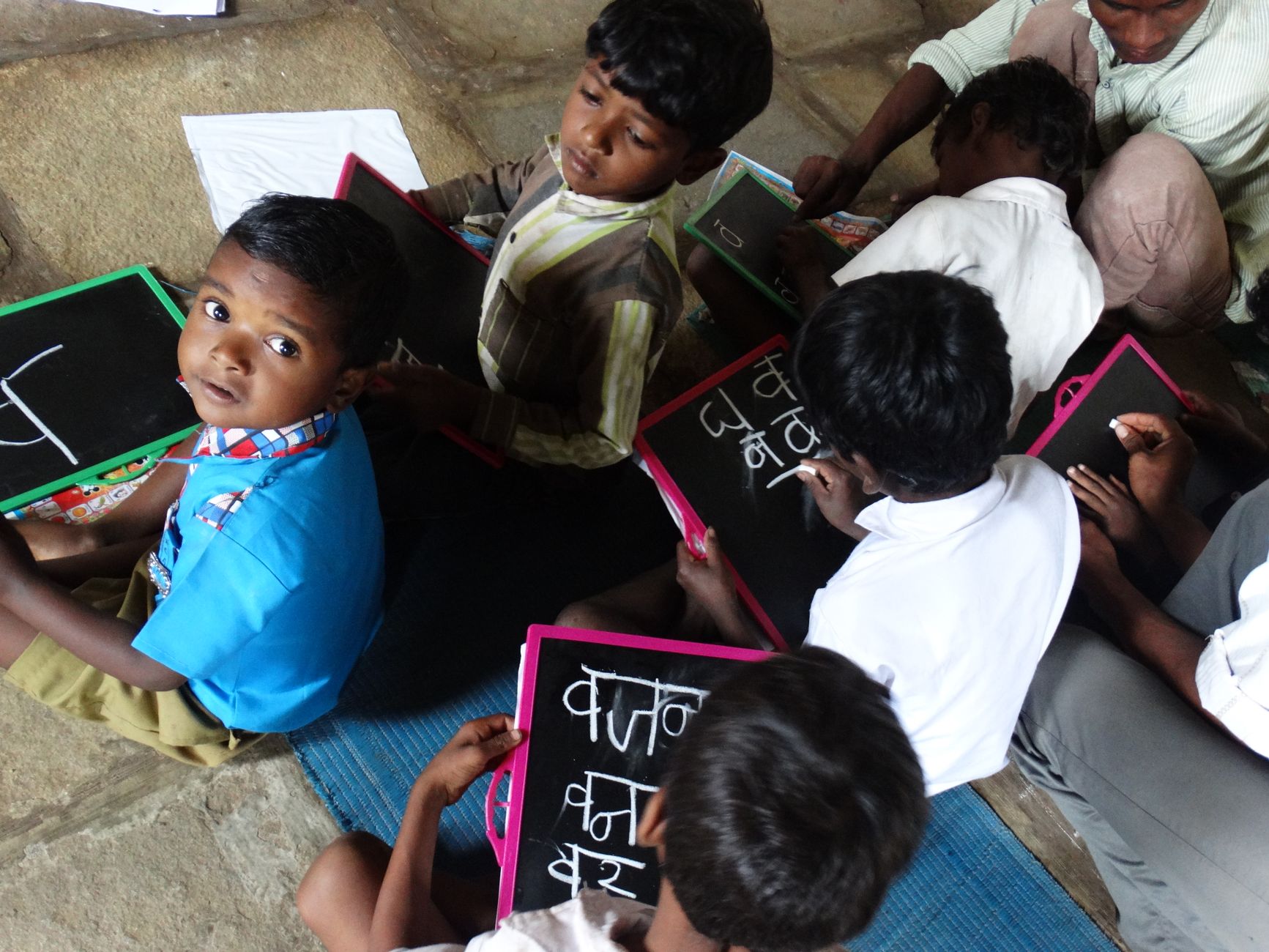
India's education system is one of the largest in the world, with over 260 million students enrolled across schools and higher education institutions. Yet, this massive scale often masks underlying problems. Rural-urban divides remain stark, with students in villages frequently lacking basic infrastructure like proper classrooms, electricity, and sanitation facilities. The quality of teaching varies dramatically, and learning outcomes often fall short of curriculum expectations.
Furthermore, dropout rates remain concerning, particularly among girls and students from marginalized communities. Economic pressures, early marriages, and the perceived irrelevance of education to immediate livelihood needs continue to pull children away from schools. These challenges reflect not just resource constraints but deeper systemic issues that require philosophical and practical rethinking.
Mandela's Core Educational Principles
Mandela's approach to education was rooted in several key beliefs that resonate with India's needs. He viewed education as a fundamental right, not a privilege, and believed it should empower individuals to think critically and transform their circumstances. He emphasized that education must be inclusive, reaching the most marginalized sections of society first, because they stand to benefit most from its transformative power.
Mandela also understood that education extends beyond literacy and numeracy. He advocated for learning that builds character, fosters empathy, and prepares individuals for active citizenship. In his vision, schools should nurture not just students who can pass exams, but individuals who can question injustice, solve community problems, and contribute to building a more equitable society.
Applying These Lessons to India
India can draw several practical lessons from Mandela's philosophy. First, the focus must shift from mere enrollment numbers to actual learning outcomes. The Annual Status of Education Report consistently shows that many children in higher grades cannot perform basic reading and arithmetic tasks. Quality must take precedence over quantity, requiring better teacher training, updated curricula, and continuous assessment methods that truly measure understanding.
Second, inclusive education must become more than a policy slogan. This means actively identifying and removing barriers that prevent children from scheduled castes, tribes, minorities, and economically disadvantaged backgrounds from accessing quality education. Scholarship programs, mid-day meal schemes, and residential schools in underserved areas are steps in the right direction, but implementation must be strengthened and expanded.
Infrastructure and Teacher Empowerment
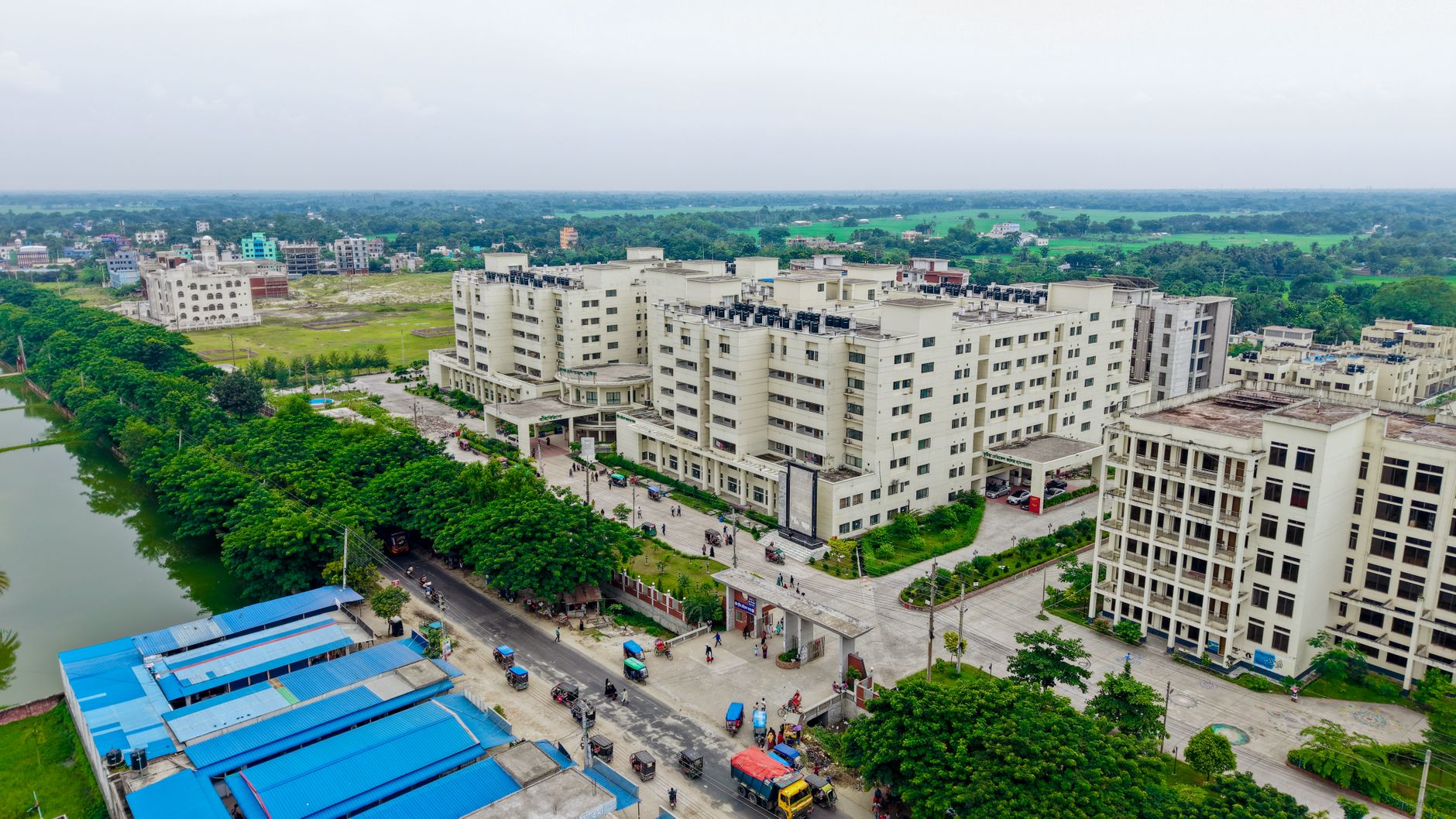
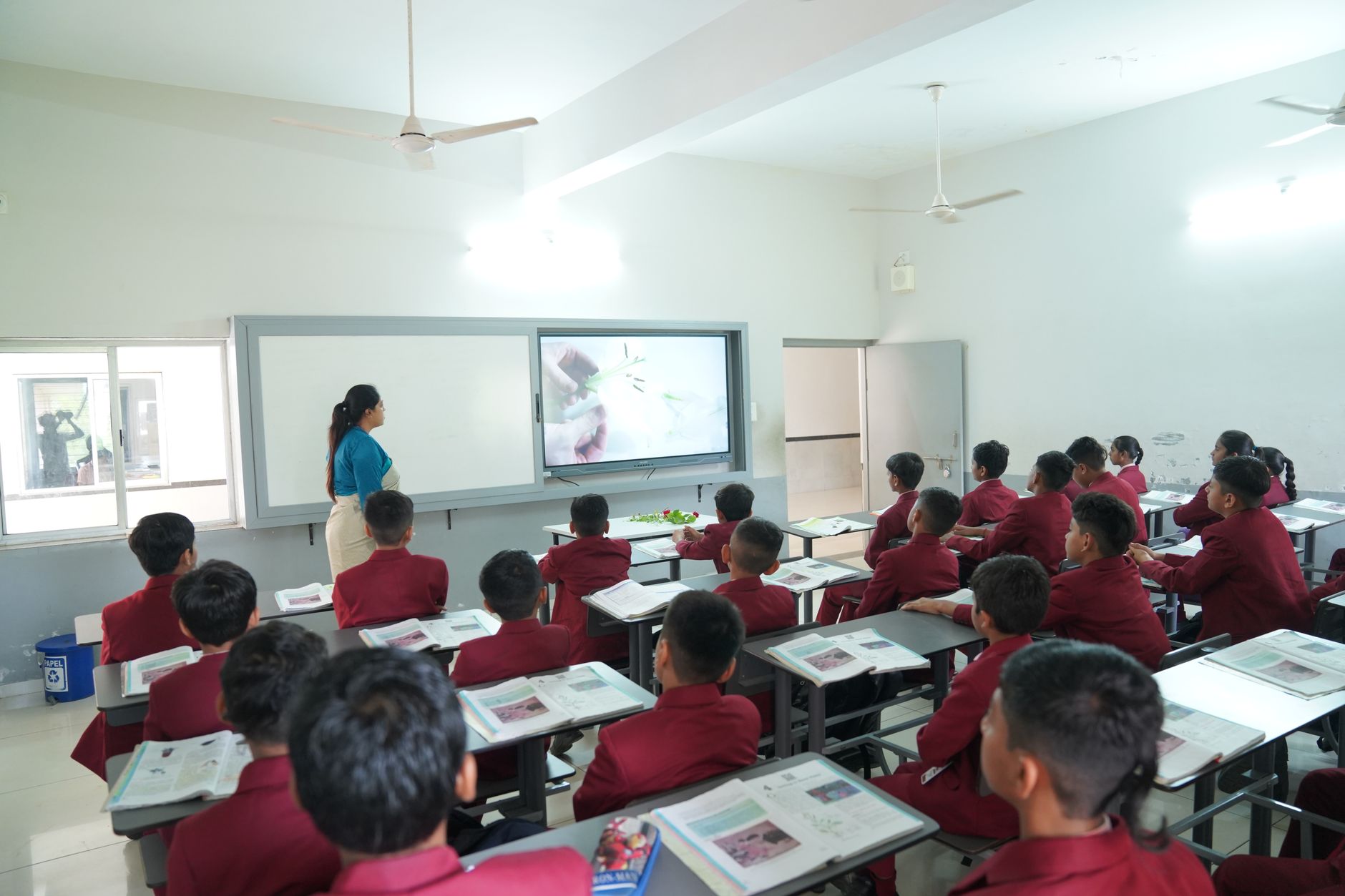
Mandela's emphasis on dignity and respect in education translates to creating learning environments where students feel valued. India needs massive infrastructure upgrades in government schools to match the facilities available in private institutions. Clean toilets, separate facilities for girls, libraries, sports grounds, and science laboratories should be standard, not luxuries.
Equally important is empowering teachers. They are the backbone of any education system, yet many government school teachers in India work under difficult conditions with inadequate support. Professional development opportunities, reasonable workloads, and respect for the teaching profession must be prioritized. When teachers are valued and equipped, students benefit directly.
Beyond Rote Learning
Mandela believed education should liberate minds, not constrain them. India's examination-centric system often encourages rote memorization over critical thinking. The National Education Policy 2020 attempts to address this by promoting competency-based learning, but implementation remains the challenge.
Schools must encourage questioning, creativity, and problem-solving. Students should learn to apply knowledge to real-world situations rather than merely reproducing textbook content. This requires changing assessment methods, teacher mindsets, and parental expectations simultaneously.
Technology as an Equalizer
While Mandela worked in a pre-digital era, his principles align with using technology to democratize education. Digital learning platforms, if properly deployed, can bring quality content to remote areas, offer personalized learning experiences, and bridge the urban-rural divide. However, this requires addressing the digital divide itself through better internet connectivity and affordable devices.
Mandela's wisdom reminds us that education is not merely about economic productivity or global competitiveness. It is fundamentally about human dignity, social justice, and creating informed citizens who can participate fully in democracy. For India to truly harness education as a tool for transformation, it must embrace this holistic vision while addressing the practical challenges that prevent millions from accessing quality learning opportunities.