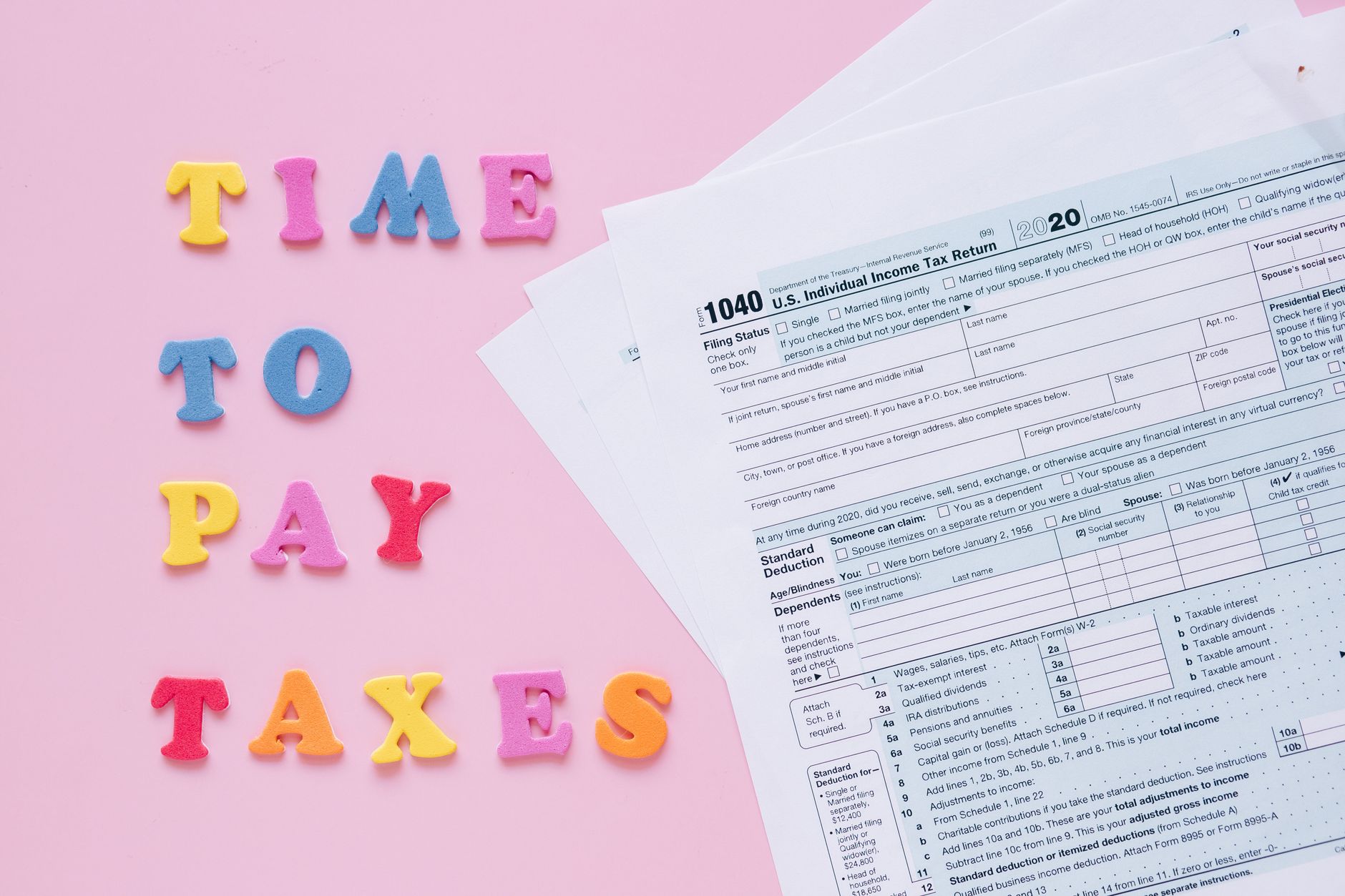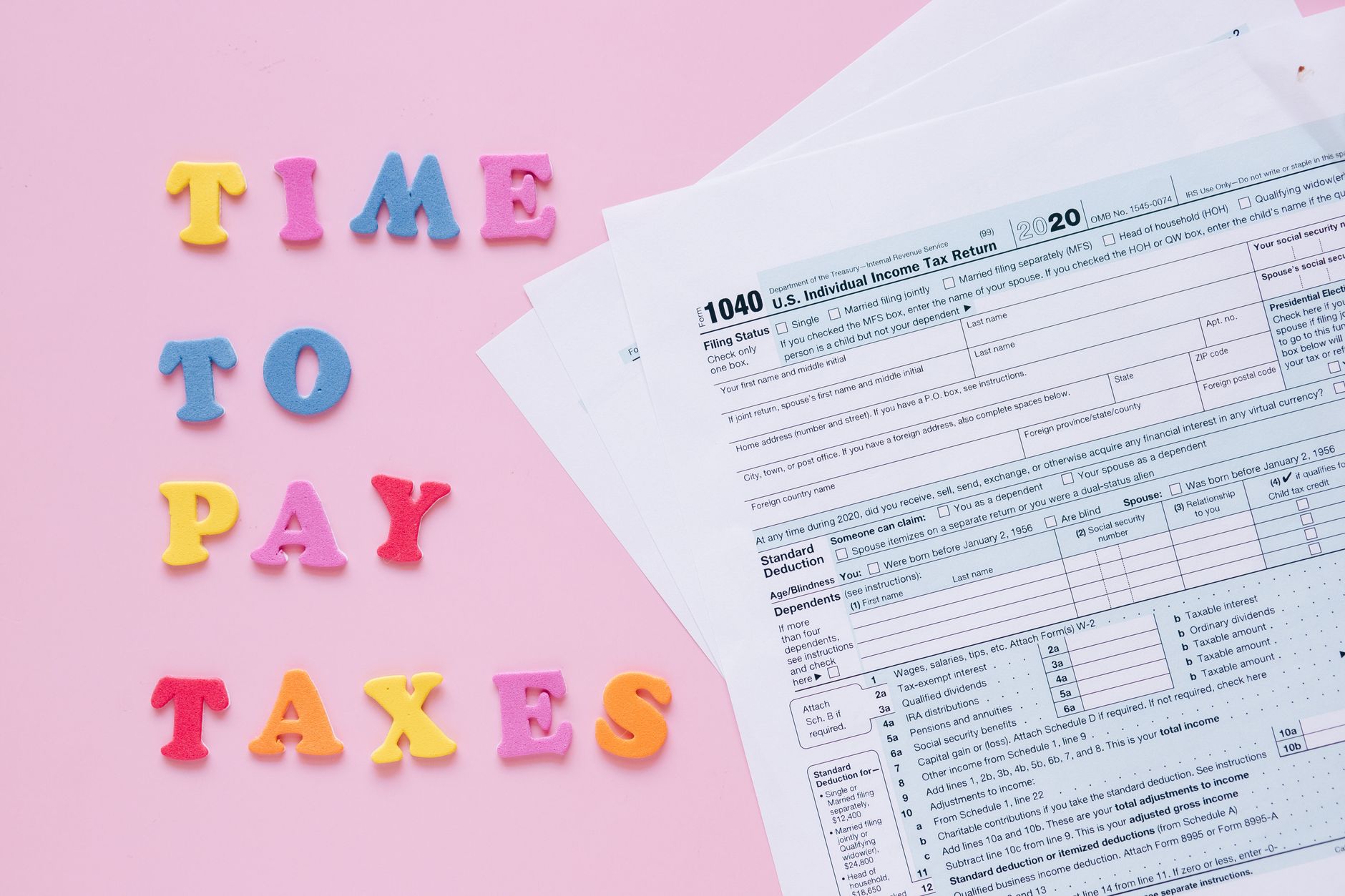
Filing income tax returns is an annual obligation for millions of Indians, yet choosing the correct ITR form remains a common source of confusion. The Income Tax Department has prescribed seven different ITR forms, each designed for specific categories of taxpayers based on their income sources, residential status, and nature of earnings. Selecting the wrong form can lead to processing delays or rejection of your return.
Understanding ITR Forms: An Overview
The Income Tax Department categorizes taxpayers based on the complexity of their income sources and financial activities. The forms range from ITR-1, the simplest form for salaried individuals, to ITR-7 for trusts and political parties. For Assessment Year 2026-27, corresponding to Financial Year 2025-26, taxpayers must evaluate their income profile carefully before selecting the appropriate form.
ITR-1 (Sahaj): For Salaried Individuals
ITR-1 is the most straightforward form designed for resident individuals with total income up to Rs 50 lakh. This form is applicable if your income sources are limited to:
- Salary or pension income
- Income from one house property (excluding cases where loss is brought forward)
- Income from other sources (interest from savings accounts, fixed deposits)
You cannot use ITR-1 if you are a director in a company, hold unlisted equity shares, have foreign assets or income, or have agricultural income exceeding Rs 5,000.
ITR-2: For Individuals Without Business Income
ITR-2 caters to individuals and Hindu Undivided Families (HUFs) who have income from various sources but not from business or profession. This form is suitable when:
- Your income exceeds Rs 50 lakh
- You have income from multiple house properties
- You have capital gains from sale of property, stocks, or mutual funds
- You hold foreign assets or have foreign income
- You are a director in a company or hold unlisted equity shares
This form also applies to non-resident Indians (NRIs) who need to file returns in India.
ITR-3: For Business Professionals
Individuals and HUFs who have income from a proprietary business or professional practice must file ITR-3. This includes doctors, lawyers, consultants, chartered accountants, freelancers, and small business owners. The form requires detailed disclosure of business income, expenses, and balance sheet information if accounts are required to be audited.
ITR-4 (Sugam): For Presumptive Income
ITR-4 is designed for resident individuals, HUFs, and firms (other than LLPs) who have opted for the presumptive taxation scheme under Sections 44AD, 44ADA, or 44AE. This simplified form is available when:
- Total income does not exceed Rs 50 lakh
- Business turnover is up to Rs 2 crore (or Rs 3 crore if cash receipts are less than 5%)
- Professional receipts are up to Rs 50 lakh
This form eliminates the need for maintaining detailed books of accounts, making it popular among small traders and professionals.
ITR-5: For Firms and LLPs
ITR-5 must be filed by partnership firms, Limited Liability Partnerships (LLPs), Association of Persons (AOPs), Body of Individuals (BOIs), artificial juridical persons, estates of deceased persons, and business trusts. This form requires comprehensive financial disclosure including profit and loss statements and balance sheets.
ITR-6: For Companies
All companies registered in India, except those claiming exemption under Section 11 (charitable trusts), must file ITR-6. This form is mandatory regardless of whether the company has earned income or incurred losses during the financial year.
ITR-7: For Trusts and Political Parties
ITR-7 is specifically designed for entities required to file returns under sections 139(4A), 139(4B), 139(4C), and 139(4D). This includes charitable and religious trusts, political parties, scientific research institutions, and educational institutions claiming exemptions.
Key Considerations Before Filing
Before selecting your ITR form, gather all relevant financial documents including Form 16, bank statements, capital gains statements, and details of any exempt income. Verify whether you need to get your accounts audited based on turnover thresholds. Also check if you're eligible for the new tax regime or prefer to continue with the old regime with deductions.
Filing the correct ITR form ensures smooth processing of your return and timely receipt of refunds if applicable. The Income Tax Department's e-filing portal provides a utility that can help you select the appropriate form based on your inputs.
This article is for general informational purposes only and should not be considered as professional tax advice. Tax laws are subject to change, and individual circumstances vary. Consult a qualified chartered accountant or tax professional for advice specific to your situation.