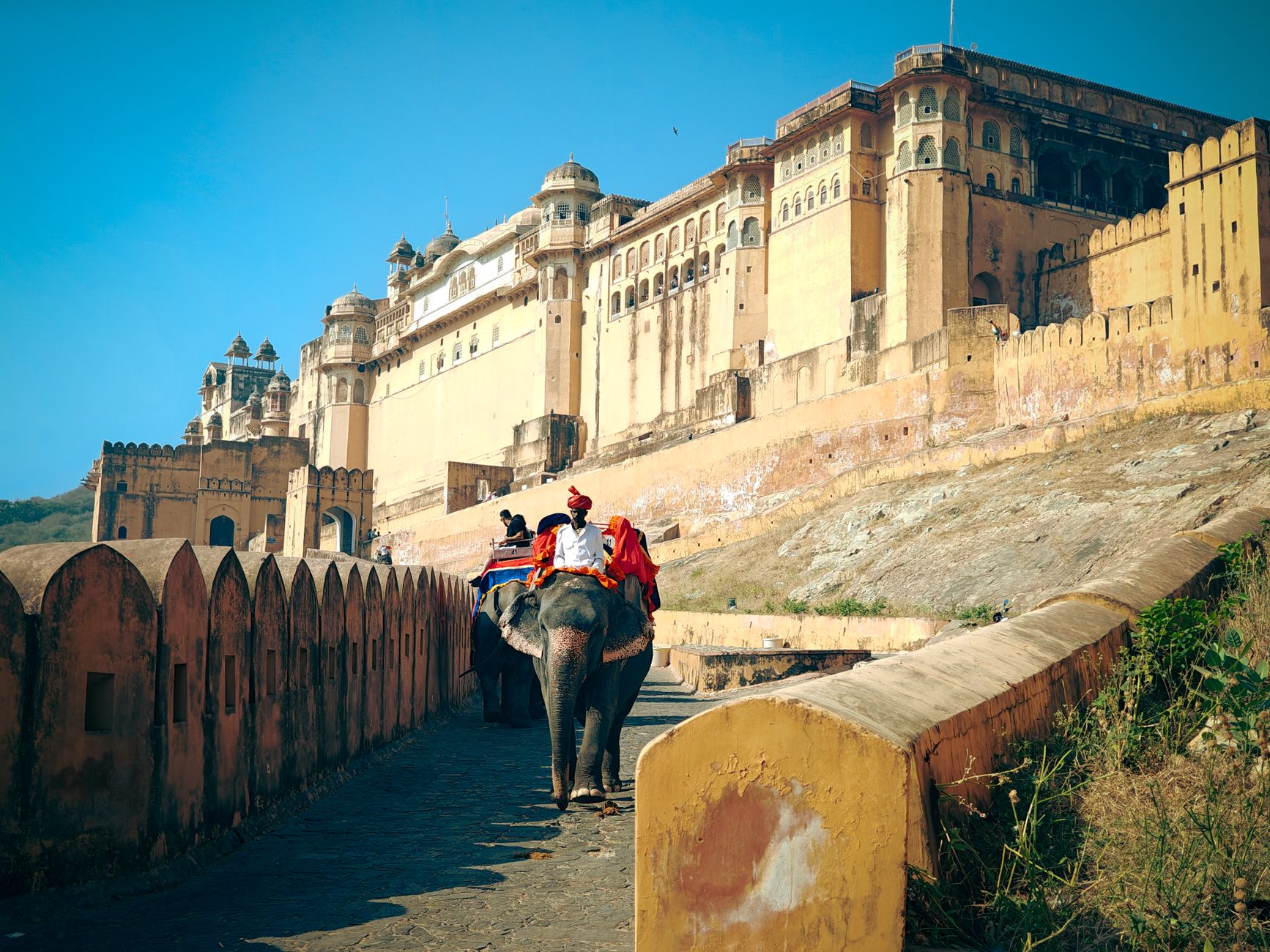
The global tourism industry is undergoing a fundamental transformation. Travellers are no longer satisfied with simply visiting landmarks and taking photographs. Instead, they seek meaningful interactions, cultural immersion, and authentic experiences that connect them deeply with destinations. This shift toward experiential travel represents one of the most significant trends reshaping tourism worldwide, and India stands remarkably well-positioned to benefit from this evolution.
What Is Experiential Travel
Experiential travel focuses on personal engagement and active participation rather than passive observation. Instead of viewing monuments from behind barriers, experiential travellers want to learn traditional crafts from local artisans, cook regional dishes with village families, participate in festivals, or explore destinations through the eyes of residents. This approach emphasizes quality over quantity, depth over breadth, and connection over collection of visited sites.
The trend has accelerated post-pandemic, as travellers reassess their priorities and seek more purposeful journeys. Research indicates that younger demographics, particularly millennials and Generation Z, overwhelmingly prefer experiences over material purchases and are willing to invest more in travel that offers personal growth and authentic cultural exchange.
India's Unique Advantages
India possesses several inherent advantages that make it an ideal destination for experiential tourism. The country's extraordinary cultural diversity means that travellers can experience vastly different traditions, languages, cuisines, and customs within a single journey. From the spiritual rituals along the Ganges in Varanasi to the backwater village life of Kerala, from the desert cultures of Rajasthan to the tribal communities of Northeast India, the range of authentic experiences is unparalleled.
The living traditions that continue to thrive across India provide genuine opportunities for immersion. Unlike many destinations where cultural practices have become museumified or exist primarily for tourist consumption, India's traditions remain integral to daily life. Travellers can witness festivals celebrated by communities for themselves, not staged for outsiders, and engage with crafts that support livelihoods rather than existing solely as souvenirs.
Growing Infrastructure for Immersive Experiences
India's experiential travel infrastructure has expanded significantly in recent years. Homestays have proliferated across the country, offering authentic accommodation within family homes where guests participate in daily routines. Village tourism initiatives connect travellers directly with rural communities, providing income while preserving traditional ways of life.
Specialized tour operators now curate experiences ranging from pottery workshops with master craftspeople to cooking classes using ingredients from family gardens, from yoga retreats in Himalayan villages to wildlife conservation experiences in national parks. These offerings go beyond surface-level interactions to provide genuine understanding and connection.
Economic and Social Benefits
The experiential travel model distributes tourism benefits more equitably than conventional tourism. Rather than concentrating revenue in hotels and major attractions, experiential tourism channels income directly to local communities, artisans, guides, and small businesses. This creates sustainable livelihoods in rural and less-developed areas while giving communities incentives to preserve their cultural heritage and natural environments.
For travellers, experiential tourism in India often represents excellent value. While international hotel chains charge premium prices, homestays and community-based experiences typically cost less while delivering more meaningful interactions and authentic insights.
Challenges and Opportunities
Despite its advantages, India must address certain challenges to fully capture the experiential travel market. Improving connectivity to rural areas, ensuring safety and hygiene standards, and providing reliable information remain important. Language barriers can sometimes limit deeper interaction, though this also presents opportunities for trained local guides.
Digital marketing and online booking systems need expansion to reach international audiences effectively. Many excellent experiential offerings exist but remain unknown to potential travellers due to limited online presence.
The Path Forward
As experiential travel continues reshaping global tourism, India's focus should be on preserving authenticity while improving accessibility. Overtourism and commodification pose risks—the challenge is making experiences available without diminishing their genuine nature. Training community members as hospitality providers while maintaining cultural integrity will be crucial.
India's combination of living traditions, cultural diversity, natural beauty, and expanding experiential tourism infrastructure positions it exceptionally well to attract the growing segment of travellers seeking meaningful connections. By continuing to develop this sector thoughtfully, India can establish itself as a premier destination for those who travel not just to see, but to understand, participate, and connect.