India's tourism sector stands at a crossroads, with industry leaders calling for significant reforms to help the country realize its full potential as a global travel destination. The call for visa reforms and increased investment in tourism infrastructure comes at a time when the sector is recovering from pandemic-era setbacks and facing intensifying competition from neighboring Asian destinations.
The Case for Visa Reforms
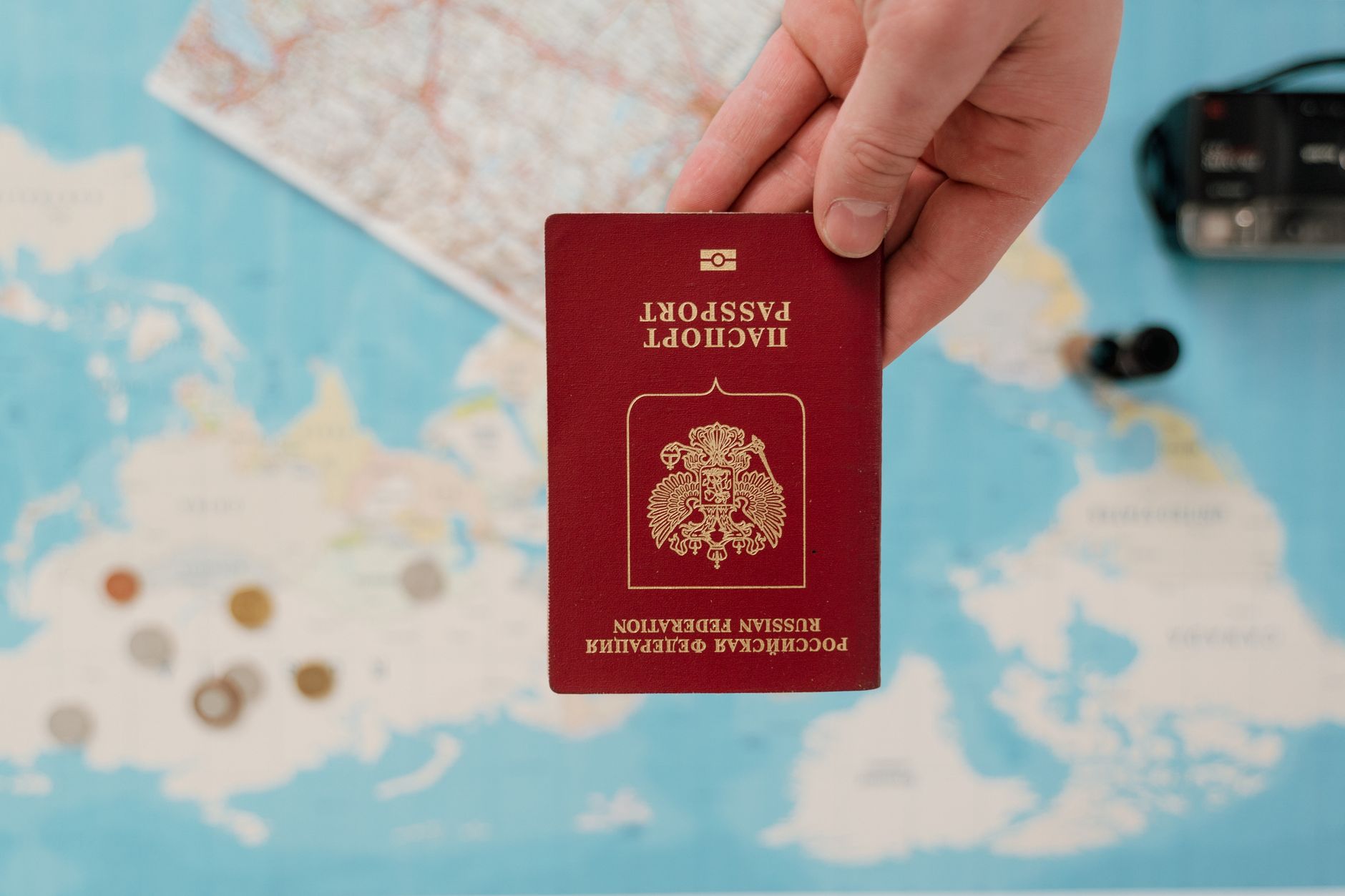
India's current visa processes remain a significant barrier for international tourists, particularly when compared to competitor nations. While the e-visa facility has made entry easier for citizens of many countries, the system still faces challenges including processing delays, technical glitches, and limited validity options that don't match the flexible travel patterns of modern tourists.
Countries like Thailand, Vietnam, and Indonesia have implemented visa-on-arrival facilities and extended visa-free entry for multiple nations, making them more attractive to spontaneous travelers and business visitors. India's multi-step application process, even for e-visas, can deter tourists who might otherwise choose the country as their destination.
Key visa reforms that could boost tourist arrivals include extending visa-free entry to more countries, simplifying the application process, reducing processing times, and offering longer validity periods. The introduction of multiple-entry visas with extended stays would particularly benefit travelers interested in exploring India's diverse regions over several trips.
Investment Gaps in Tourism Infrastructure
Beyond visa issues, India's tourism infrastructure requires substantial investment to meet international standards and visitor expectations. While the country boasts incredible historical monuments, natural beauty, and cultural diversity, the supporting infrastructure often falls short.
Airport connectivity remains limited outside major metros, forcing international tourists to rely on domestic flights or lengthy road journeys to reach popular destinations. Roads leading to tourist sites frequently lack proper maintenance, signage in multiple languages, and basic amenities like clean public restrooms.
Hotel infrastructure varies dramatically across regions. While metropolitan areas and established tourist circuits offer world-class accommodation, emerging destinations often lack quality lodging options across price segments. This limits the ability to distribute tourist traffic and develop new destinations.
Digital Infrastructure and Tourist Services
Modern travelers expect seamless digital connectivity and online services throughout their journey. India needs investment in reliable internet access at tourist sites, digital payment infrastructure in smaller towns, and comprehensive online booking systems for trains, heritage sites, and experiences.
Tourist information centers, trained multilingual guides, and emergency support services remain inadequate in many regions. Investment in human resource development and service training would significantly enhance the visitor experience.
The Economic Opportunity
The stakes are high for India's economy. Tourism contributes significantly to GDP and employment, particularly in regions with limited industrial development. The sector has immense potential to generate jobs across skill levels, from hospitality workers to tour operators, artisans to transport providers.
India welcomed approximately 9 million foreign tourists in 2019 before the pandemic, a number that pales in comparison to Thailand's nearly 40 million or China's pre-pandemic numbers exceeding 140 million. Even capturing a larger share of global tourist flows could translate into billions of dollars in foreign exchange earnings and millions of new jobs.
Regional Competition and Global Standards
India faces stiff competition from Southeast Asian nations that have prioritized tourism development. These countries offer easier entry, better infrastructure, competitive pricing, and aggressive marketing campaigns. Gulf nations are also emerging as serious competitors with massive investments in tourism infrastructure and attractions.
To compete effectively, India must adopt global best practices in tourist facilitation while leveraging its unique cultural and historical assets. This includes improving cleanliness standards, ensuring tourist safety, protecting heritage sites while making them accessible, and developing sustainable tourism practices.
The Path Forward
Successful tourism development requires coordinated effort between central and state governments, private sector participation, and community involvement. Public-private partnerships could accelerate infrastructure development, while policy reforms could streamline approval processes for tourism projects.
Marketing India as a destination also needs a comprehensive strategy that goes beyond traditional campaigns to leverage digital platforms, influencer partnerships, and targeted promotions in high-potential markets.
The call for visa reforms and increased investment represents not just industry advocacy but a practical roadmap for unlocking India's tourism potential. With the right reforms and sustained investment, India could transform from a niche destination into one of the world's leading tourism economies, creating prosperity for millions while sharing its rich heritage with global travelers.