Student protests have become increasingly common across India in recent years, reflecting deep-seated frustrations within the education system and broader concerns about youth employment. Understanding the underlying causes requires examining multiple factors affecting millions of young Indians today.
The Examination System Under Scrutiny
One of the primary triggers for student unrest relates to India's high-stakes examination system. Competitive exams like NEET (National Eligibility cum Entrance Test) for medical colleges, JEE (Joint Entrance Examination) for engineering, and various civil service examinations determine the futures of millions of aspirants annually.
Students have raised concerns about alleged irregularities in examination processes, including question paper leaks, technical glitches during online exams, and perceived inconsistencies in evaluation. When these issues surface, they can affect lakhs of students who have invested years of preparation, triggering widespread anger and demonstrations.
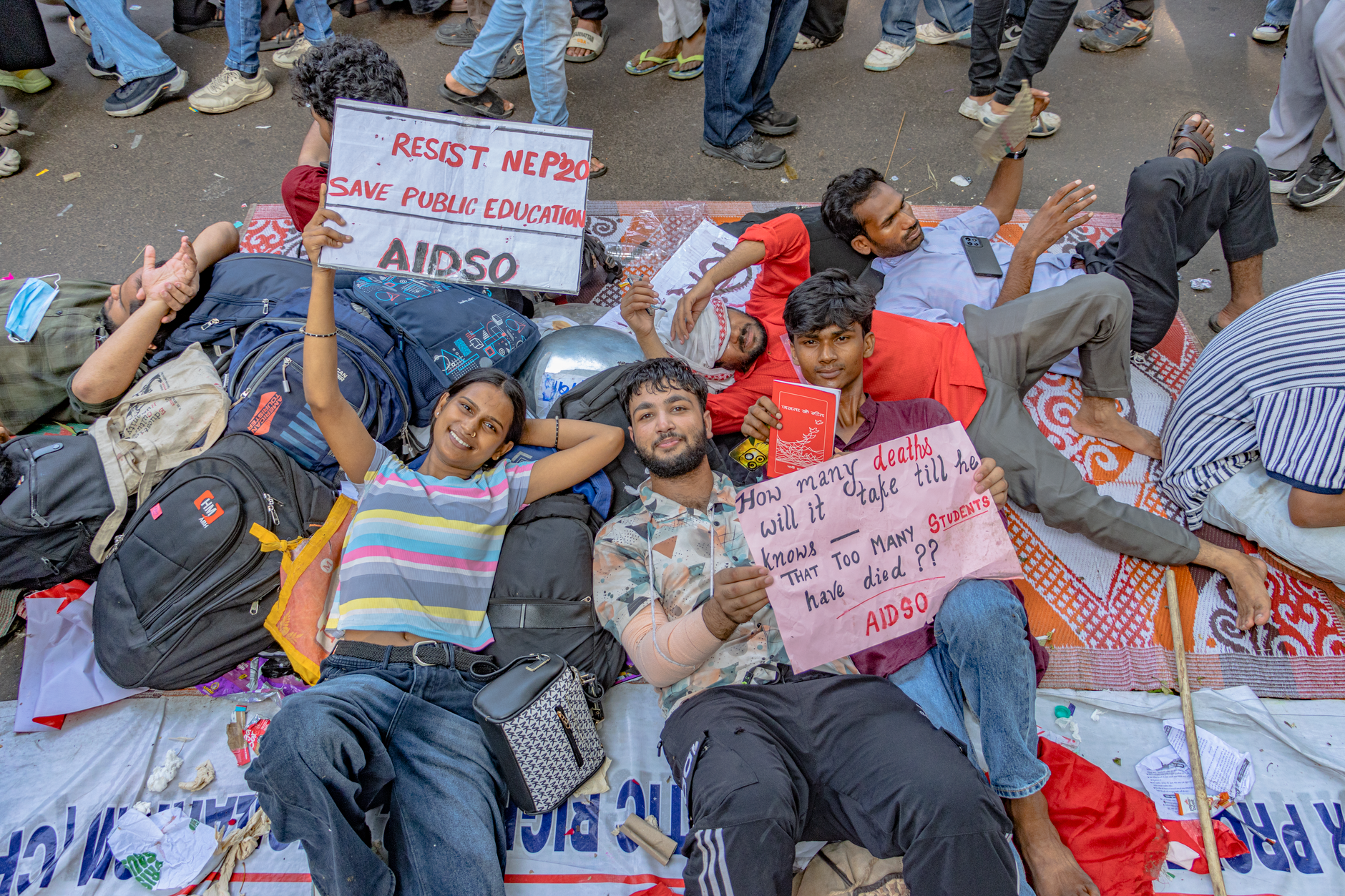
The pressure of these exams also takes a severe mental health toll. With limited seats in premier institutions and intense competition, students face enormous stress, sometimes leading to tragic outcomes that galvanize protests demanding systemic reform.
The Unemployment Challenge
India's youth unemployment crisis significantly fuels student activism. Despite obtaining degrees, many graduates struggle to find suitable employment matching their qualifications. According to various economic surveys, unemployment rates among educated youth remain disproportionately high compared to other demographics.
This disconnect between educational credentials and employment opportunities has led students to question the value proposition of their degrees. Protests often demand government intervention to create more jobs, particularly in the public sector, which remains highly sought after for its stability and benefits.
Reservation and Affirmative Action Debates
India's reservation system, which provides quotas for historically disadvantaged communities in educational institutions and government jobs, periodically becomes a flashpoint for protests. Different groups advocate for either expansion or restriction of these policies.
Some student movements demand inclusion of their communities within reservation categories, while others protest against what they perceive as reduced merit-based opportunities. These demonstrations highlight the ongoing tension between affirmative action goals and merit-based selection in a highly competitive environment.
Fee Hikes and Accessibility Concerns
The increasing commercialization of education has made quality higher education financially prohibitive for many families. Both private and public institutions have implemented steep fee increases, prompting protests from students who view education as a fundamental right rather than a commodity.
Student unions argue that rising costs exclude economically disadvantaged students from accessing quality education, perpetuating inequality. These protests often demand fee rollbacks, increased scholarships, and greater government funding for public educational institutions.
Campus Autonomy and Free Speech
University campuses have witnessed protests related to academic freedom and students' rights to political expression. Concerns about administrative overreach, restrictions on student unions, and disciplinary actions against student activists have sparked movements defending campus democracy.
Students argue that universities should remain spaces for free thought and political discourse. When authorities impose restrictions on cultural events, political activities, or guest speakers, it often triggers protests asserting students' constitutional rights.
Quality of Education and Infrastructure
Beyond access, the quality of education itself has become a protest issue. Students highlight inadequate infrastructure, outdated curricula, insufficient faculty, and lack of research opportunities in many institutions.
The disconnect between what's taught and industry requirements leaves graduates ill-prepared for employment. Students demand curriculum modernization, better teaching standards, and investments in laboratory equipment, libraries, and digital infrastructure.
Political Dimensions
Student protests in India often intersect with broader political movements. Various political parties and student organizations mobilize youth around educational issues, sometimes blurring lines between genuine grievances and political agendas.
Understanding these protests requires recognizing both the legitimate concerns driving student activism and the complex political ecosystem within which these movements operate.
The Path Forward
Addressing student grievances requires comprehensive reforms touching examination processes, employment generation, educational funding, and governance structures. As India's demographic dividend continues, ensuring its youth population receives quality education and employment opportunities remains crucial for social stability and economic growth.
The persistence and scale of student protests signal that these issues cannot be ignored. They represent a generation demanding their voices be heard in shaping policies that directly impact their futures. Whether authorities respond with meaningful reforms or continued resistance will likely determine the trajectory of youth movements in coming years.