India's education system stands at a critical crossroads. Despite producing millions of graduates annually, the country grapples with widespread unemployment, skill mismatches, and growing frustration among its youth. The debate around educational reform has intensified, with many arguing that the current centralized structure fails to serve the diverse needs of students across this vast nation.
The Challenges of Centralization
The Indian education system operates largely through centralized frameworks dictated by national bodies like the CBSE, ICSE, and state boards that follow similar patterns. This one-size-fits-all approach creates several fundamental problems.
Students from Kashmir to Kanyakumari follow nearly identical curricula, despite vastly different cultural contexts, economic realities, and employment landscapes. A child in rural Rajasthan has different educational needs than one in metropolitan Bengaluru, yet both are often pushed through the same standardized system.
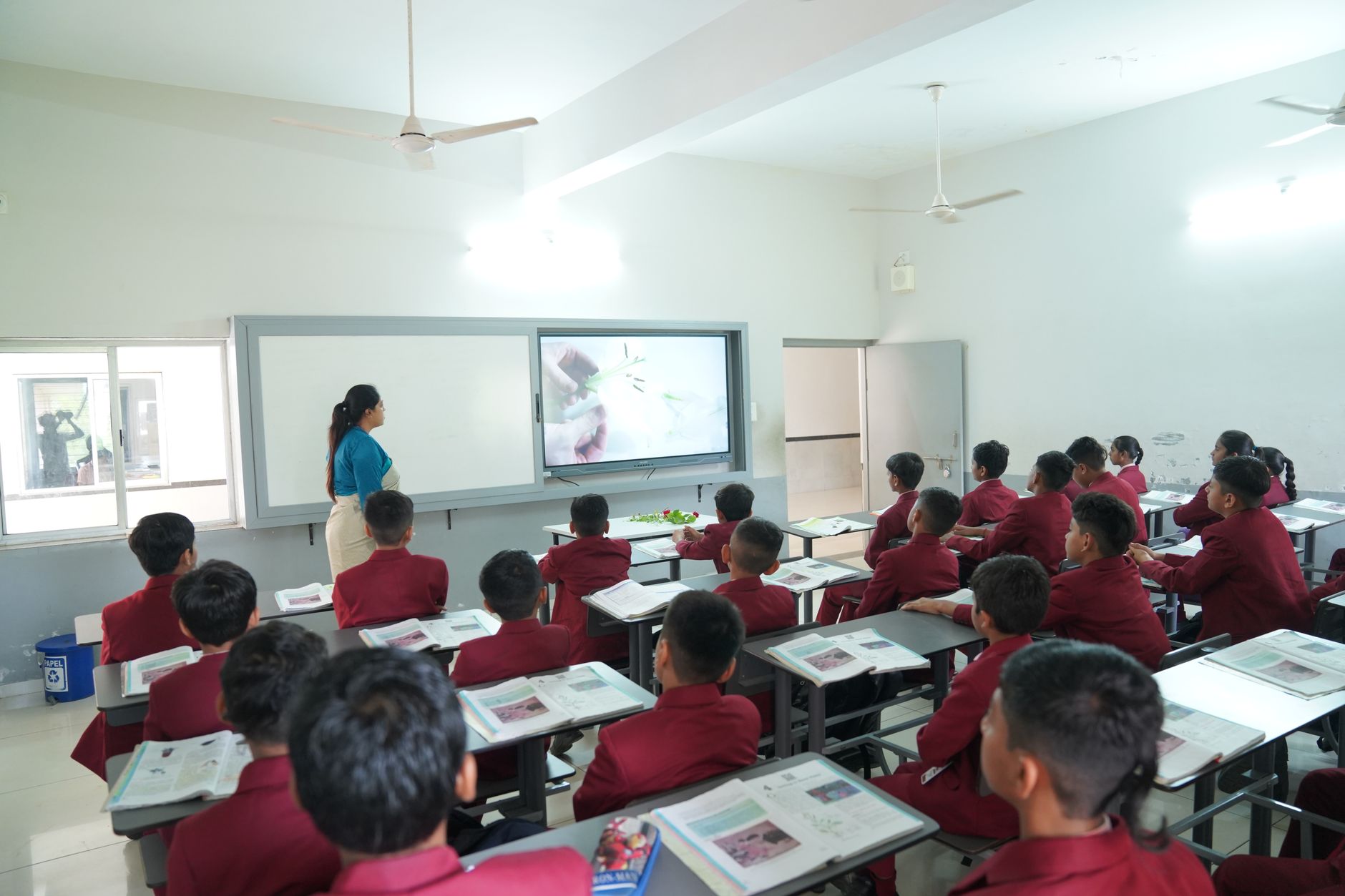
The emphasis on rote learning and examination performance over critical thinking and practical skills has produced generations of students who can memorize textbooks but struggle with real-world problem-solving. This approach was perhaps suitable for an earlier era but fails to prepare young Indians for the dynamic, innovation-driven global economy.
The Pressure Cooker Effect
Indian students face immense pressure from an early age. The competition for limited seats in prestigious institutions creates a high-stakes environment where failure feels catastrophic. Coaching centers have become a parallel education industry, with families spending substantial portions of their income on supplementary tuition.
This pressure contributes to alarming mental health challenges among young people. Student suicides, anxiety, and depression rates have risen, yet the system continues to prioritize marks over wellbeing. The focus on entrance examinations for engineering and medicine creates narrow pathways to success, devaluing other equally important fields.
What Decentralization Could Offer
Decentralizing education would allow states and even districts to tailor curricula to local needs, languages, and economic opportunities. Regional bodies could design programs that reflect local industries, cultural heritage, and skill requirements.
- Greater flexibility in curriculum design to incorporate local context and relevance
- Empowerment of teachers to innovate rather than merely follow prescribed textbooks
- Development of vocational and skill-based programs aligned with regional employment markets
- Preservation and integration of local languages and cultural knowledge
- Faster adaptation to changing educational needs without waiting for national policy changes
Countries like Germany and Switzerland have successfully implemented decentralized education systems where regional authorities maintain significant control while adhering to basic national standards. This allows for innovation while ensuring quality benchmarks.
The Role of Choice and Diversity
A decentralized system could promote diverse educational philosophies. Alternative schooling methods like Montessori, Waldorf, or activity-based learning could flourish alongside traditional approaches, giving parents and students genuine choices.
The National Education Policy 2020 has made some moves toward flexibility, including multiple entry and exit points in higher education and emphasis on multidisciplinary learning. However, implementation remains centralized and bureaucratic, limiting its transformative potential.
Balancing Standards and Autonomy
Critics of decentralization worry about maintaining educational standards and ensuring equity across regions. These concerns are valid. Any move toward greater autonomy must include robust accountability mechanisms and support for under-resourced states.
The solution lies not in complete fragmentation but in balanced federalism for education. National standards can ensure basic competencies in literacy, numeracy, and critical thinking, while regional authorities determine how to achieve these goals and what additional content to include.
Technology can play a crucial role here. Digital platforms can provide quality educational resources to remote areas while allowing local customization. Teacher training programs need substantial investment to ensure educators across the country can facilitate this new approach.
The Path Forward
Reforming India's education system requires political will, sustained investment, and willingness to experiment. The government must trust teachers, parents, and local communities to make decisions about education rather than maintaining tight central control.
This doesn't mean abandoning oversight or allowing standards to drop. Rather, it means shifting from a compliance-based approach to an outcomes-based one where schools and colleges are judged by student learning and development rather than adherence to rigid procedures.
The Indian youth represents the country's greatest asset. An education system that oppresses creativity, imposes uniformity, and prioritizes conformity over innovation wastes this potential. Decentralization, combined with genuine pedagogical reform, offers a pathway toward an education system that empowers rather than constrains young Indians to build the future they deserve.