The recent discourse around implementing stricter laws in India's education sector has sparked an important conversation, yet it risks missing the forest for the trees. While legal frameworks certainly have their place in ensuring accountability and safety, the deeper malaise affecting Indian education cannot be remedied through legislation alone.
The Limitations of a Law-First Approach
Stricter laws typically emerge as reactive measures following incidents or scandals in educational institutions. Whether addressing student safety, preventing examination malpractice, or ensuring minimum standards, these regulations often focus on compliance rather than transformation. The fundamental problem is that laws can set boundaries and punish violations, but they cannot inspire excellence, foster creativity, or cultivate critical thinking—the very outcomes a robust education system should deliver.
India already has numerous education-related laws on the books, from the Right to Education Act to various state-level regulations governing schools and universities. Yet learning outcomes remain disappointing, with students frequently unable to apply classroom knowledge to real-world situations. This disconnect suggests that the root causes lie elsewhere.
The Real Challenges Facing Indian Education
The Indian education system grapples with multiple structural challenges that no amount of legislation can directly solve. Outdated curricula that emphasize rote memorization over conceptual understanding remain prevalent across many institutions. Students spend countless hours memorizing facts and formulas without grasping underlying principles or developing problem-solving skills.
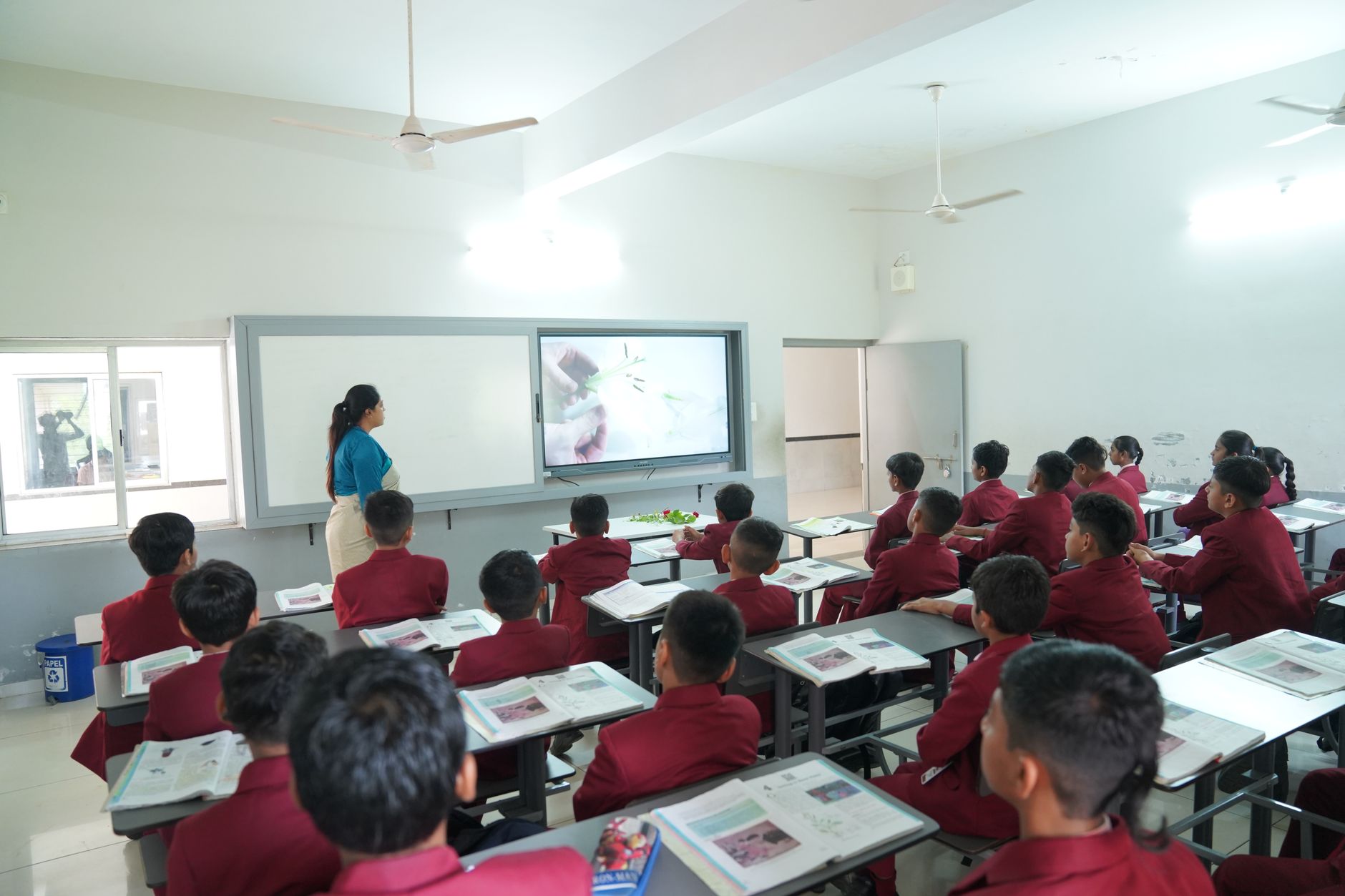
Teacher quality and training represent another critical gap. Many educators themselves were products of the same rote-learning system and lack exposure to modern pedagogical methods. Without adequate professional development opportunities, teachers struggle to adopt student-centered learning approaches or integrate technology meaningfully into their classrooms. Even well-intentioned teachers often face large class sizes, limited resources, and pressure to "complete the syllabus" rather than ensure genuine comprehension.
Infrastructure deficits compound these challenges, particularly in rural and semi-urban areas. Absent basic facilities like functional toilets, drinking water, electricity, and adequate classroom space, even the best curriculum and most dedicated teachers cannot deliver quality education. Digital infrastructure, increasingly essential in modern education, remains a distant dream for millions of students.
What Systemic Reform Actually Looks Like
Addressing these root causes requires comprehensive, sustained reforms across multiple dimensions. Curriculum redesign should prioritize conceptual understanding, critical thinking, and practical application. Subjects need integration rather than isolation, showing students how mathematics relates to science, how history informs current affairs, and how language skills enhance all learning.
Teacher empowerment must become a priority. This means investing in pre-service training programs that equip new teachers with contemporary skills, creating ongoing professional development opportunities, and establishing mentorship networks. Teachers also need autonomy to adapt methods to their students' needs rather than rigidly following prescribed formats.
Assessment methods require fundamental rethinking. Moving beyond high-stakes examinations that test memorization toward continuous, comprehensive evaluation can reduce stress while providing better feedback for learning. Project-based assessments, peer learning, and portfolios offer alternatives that develop different competencies.
Technology integration, done thoughtfully, can amplify these reforms. Digital tools can personalize learning, provide instant feedback, make quality content accessible remotely, and free teachers to focus on facilitation rather than lecture. However, technology alone solves nothing without accompanying pedagogical shifts.
The Role of Stakeholder Engagement
Meaningful reform requires active participation from all stakeholders. Parents need understanding of what quality education entails beyond examination scores. Communities can support schools through local governance structures. Industry can provide insights into skill requirements and internship opportunities. Students themselves deserve voice in shaping their learning experiences.
Policymakers must resist the temptation of quick fixes and political grandstanding. Sustainable education reform requires long-term vision, adequate funding, and patience as changes take years to show results. It demands learning from global best practices while adapting them to Indian contexts rather than blindly importing models.
Moving Forward
Stricter laws have their place in ensuring minimum standards and accountability. However, viewing legislation as the primary solution to educational challenges represents a failure of imagination. True transformation requires addressing pedagogy, infrastructure, teacher development, and assessment comprehensively.
The goal should be creating an education system that develops thinking, engaged citizens who can navigate complexity, solve problems creatively, and contribute meaningfully to society—not merely students who can pass examinations. Achieving this demands moving beyond the comfortable territory of regulatory responses toward the harder work of systemic reform.
This article is intended for general informational purposes and represents analysis of education policy issues. Specific educational policies and their implementation may vary by state and institution.
===END===