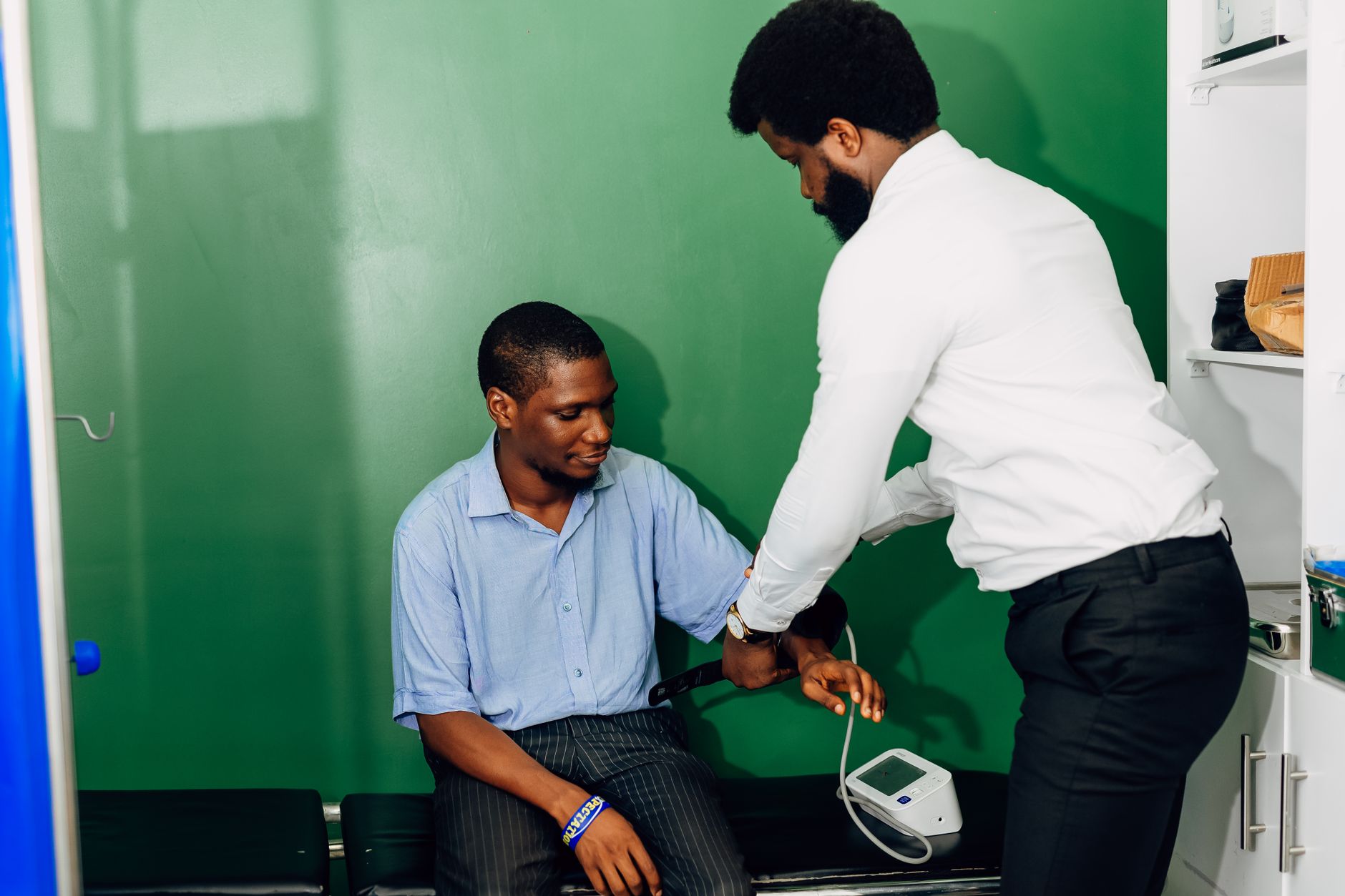
Primary healthcare represents the first point of contact between individuals and the healthcare system, serving as the bedrock of public health infrastructure in India. In a country with over 1.4 billion people, diverse geography, and varying levels of healthcare access, primary healthcare centres function as the essential gateway to medical services for millions, particularly in rural and semi-urban areas.
The Structure of Primary Healthcare in India
India's primary healthcare network comprises several tiers. At the most basic level, Sub-Centres serve populations of 3,000 to 5,000 people, staffed by auxiliary nurse midwives and male health workers. Primary Health Centres (PHCs) cater to populations of approximately 20,000 to 30,000, providing outpatient and inpatient services with a small bed capacity. Community Health Centres (CHCs) serve as referral points for PHCs, typically covering 80,000 to 120,000 people and offering specialist services.
This three-tier structure was designed to deliver healthcare to India's vast population efficiently, bringing medical services within reach of remote villages and underserved communities. The system aims to catch health problems early, provide preventive care, and manage common ailments before they escalate into serious conditions requiring expensive tertiary care.
Preventive Care and Disease Management
Primary healthcare centres play a crucial role in preventive medicine, which forms the cornerstone of cost-effective healthcare delivery. Through vaccination programmes, maternal and child health services, nutrition counselling, and health education, these centres work to prevent diseases before they occur. Immunisation drives against polio, measles, tuberculosis, and other communicable diseases have achieved remarkable success largely due to the primary healthcare network's reach.
For chronic conditions like diabetes and hypertension, primary healthcare facilities provide screening, early detection, and ongoing management. This prevents complications that would otherwise require hospitalization and specialized treatment. Similarly, prenatal care, safe delivery practices, and postnatal support delivered through primary healthcare centres have contributed significantly to reducing maternal and infant mortality rates across the country.
Economic Efficiency and Resource Optimization
From an economic perspective, primary healthcare represents remarkable value for money. Treating conditions at the primary level costs a fraction of what tertiary hospital care demands. When patients bypass primary care and directly approach tertiary hospitals for minor ailments, it creates unnecessary congestion, inflates healthcare costs, and diverts resources from those requiring specialized treatment.
A robust primary healthcare system reduces the overall disease burden by addressing health issues early. This preventive approach means fewer people develop serious complications, reducing hospitalization rates and the associated economic strain on families and the healthcare system. For a developing economy like India, this efficiency is crucial for sustainable healthcare delivery.
Challenges Facing Primary Healthcare
Despite its importance, India's primary healthcare system faces significant challenges. Infrastructure gaps persist, with many centres lacking basic equipment, medicines, and diagnostic facilities. Staff shortages plague the system, with positions for doctors, nurses, and paramedics remaining vacant across thousands of centres, particularly in remote areas.
Quality of care varies widely, with some centres providing excellent service while others struggle with inadequate resources and training. Limited operational hours, absence of emergency care capabilities, and poor maintenance of facilities diminish public trust, leading many to seek private care or bypass primary centres altogether.
The Path Forward
Strengthening primary healthcare requires multi-pronged interventions. Increased funding allocation, better infrastructure development, and incentivizing healthcare professionals to serve in rural areas are fundamental needs. Technology integration through telemedicine can bridge expertise gaps, connecting remote centres with specialists in urban areas.
Training and capacity building for primary healthcare workers ensures they can handle a broader range of conditions effectively. Community participation and awareness campaigns can encourage people to utilize primary healthcare services appropriately, reducing the burden on overcrowded tertiary hospitals.
The Ayushman Bharat initiative's Health and Wellness Centres represent a significant policy shift toward strengthening primary care, upgrading existing centres to provide comprehensive primary healthcare including screening and management of non-communicable diseases. Such investments acknowledge that a strong primary healthcare system isn't merely a first line of defence but the most cost-effective strategy for building a healthier nation.
This article provides general information about India's primary healthcare system and should not be considered medical advice. Readers should consult qualified healthcare professionals for personal health concerns and treatment decisions.