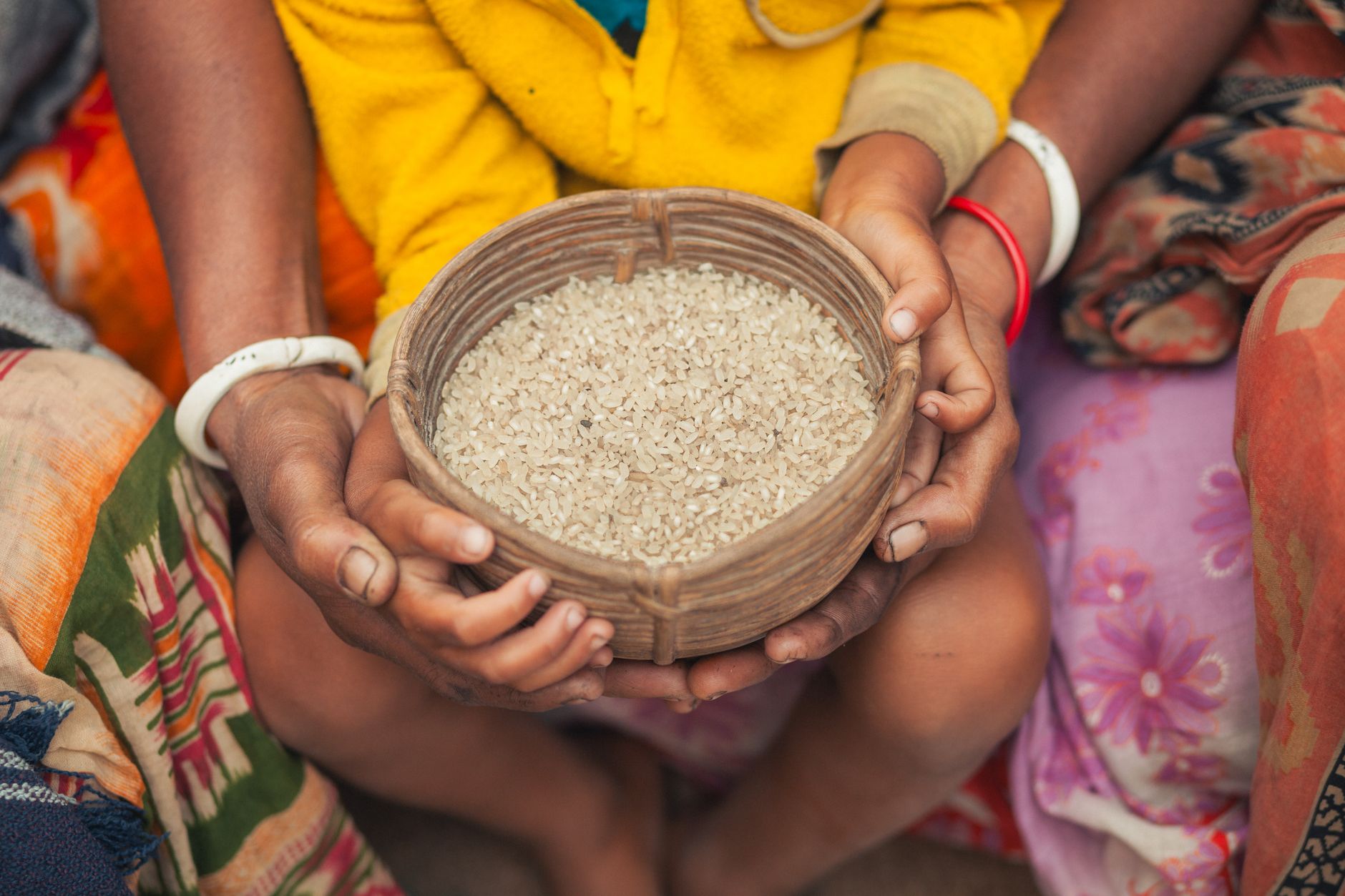
The question of ration rice quality has become a focal point in discussions about India's Public Distribution System (PDS), which serves over 800 million beneficiaries. While the government invests billions annually in food subsidies, complaints about rice quality persist, raising questions about procurement, storage, and distribution efficiency.
The Economics Behind Ration Rice Procurement
The government procures rice through the Food Corporation of India (FCI) at Minimum Support Prices (MSP) from farmers. This procurement system is designed to provide farmers with guaranteed income while building buffer stocks for distribution. However, the focus on quantity over quality in procurement specifications often means the rice acquired meets only basic milling standards.
The MSP mechanism incentivizes volume production rather than premium quality. Farmers receive the same price regardless of grain quality, provided the rice meets minimum specifications like moisture content and broken grain percentages. This creates little economic motivation to produce higher-grade rice for government procurement when the same price applies to basic-grade produce.
Storage and Transportation Challenges
A significant factor affecting rice quality is the storage infrastructure. Despite improvements in recent years, India's grain storage network faces capacity constraints and maintenance issues. Rice stored in suboptimal conditions can deteriorate, absorbing moisture, developing odors, or becoming infested.
The journey from procurement to distribution involves multiple touchpoints—from village-level collection centers to state warehouses, then to Fair Price Shops. Each transfer point presents opportunities for quality degradation, especially when handling procedures are inadequate or storage facilities lack proper ventilation and pest control measures.
Budget Allocation and Quality Trade-offs
The government faces a fundamental trade-off between covering maximum beneficiaries and providing premium quality grains. With food subsidy bills running into lakhs of crores annually, upgrading to higher-quality rice would substantially increase costs. Policymakers must balance fiscal constraints against welfare objectives.
Current subsidy structures prioritize affordability and accessibility over premium quality. The system is designed to provide basic nutritional security rather than restaurant-grade rice. This economic calculus means the rice distributed through PDS meets food safety standards but may lack the texture, aroma, or taste of commercially sold premium varieties.
Investment Implications for Stakeholders
For investors in agricultural infrastructure, food processing, and logistics, the quality debate presents opportunities. Private sector involvement in modernizing storage facilities, implementing better inventory management systems, and improving last-mile distribution could address quality concerns while creating viable business models.
Government initiatives to upgrade PDS infrastructure represent significant capital expenditure opportunities. Projects involving technology integration for supply chain transparency, climate-controlled storage facilities, and automated handling systems are areas where public-private partnerships could prove beneficial.
The Nutritional vs. Palatability Distinction
It's important to distinguish between nutritional adequacy and palatability. PDS rice typically meets nutritional standards for carbohydrates and basic dietary requirements. The quality complaints often relate to cooking characteristics, taste, and appearance rather than nutritional deficiency.
Fortified rice introduction into PDS represents an investment in nutritional enhancement rather than palatability. The government has initiated rice fortification with iron, folic acid, and vitamin B12, addressing micronutrient deficiencies while working within existing quality parameters.
Market Dynamics and Parallel Systems
The quality gap between PDS rice and commercially sold varieties creates a two-tier market. Beneficiaries who can afford it often purchase additional rice from the open market, using PDS rice as a supplement rather than their primary grain source. This behavior pattern reflects consumer preferences and willingness to pay for quality differences.
Some beneficiaries even sell their PDS quota and purchase preferred varieties from the market, though this practice is technically prohibited. Such parallel market dynamics indicate that quality improvements could enhance program effectiveness and reduce leakages.
Future Investment Directions
Improving ration rice quality requires systematic investment across the value chain. This includes upgrading procurement specifications, modernizing storage infrastructure, implementing quality monitoring systems, and enhancing distribution networks. Each intervention demands capital allocation and represents potential investment opportunities for businesses operating in agricultural technology, infrastructure, and logistics sectors.
The government's digital initiatives, including one-nation-one-ration-card and electronic point-of-sale systems, provide data infrastructure that could support quality tracking and accountability mechanisms, potentially attracting technology investments.
This article provides general information about public distribution systems and agricultural economics for educational purposes only. Readers should conduct independent research and consult relevant experts before making investment decisions related to agricultural infrastructure or food security sectors.