The Declining Trend in Education Budgets
Over the past twelve years, a significant pattern has emerged across Indian states: education is receiving a shrinking share of state budgets. While absolute spending may have increased nominally in many cases, education's priority as measured by its proportion of total state expenditure has declined noticeably. This trend has sparked youth protests and raised fundamental questions about India's commitment to its demographic dividend.
Education expenditure by states typically covers schools, colleges, universities, scholarships, infrastructure, teacher salaries, and various educational schemes. When states reduce this allocation proportionally, it signals shifting priorities that can have long-term consequences for millions of students.
Why States Are Spending Less on Education
Several factors have contributed to this decline in education's budgetary share:
- Rising expenditure on subsidies, welfare schemes, and populist measures that offer more immediate political returns
- Increased burden of pension payments and administrative costs
- Growing allocations to health sector, especially post-pandemic
- Debt servicing obligations consuming larger portions of state budgets
- Revenue constraints and GST compensation issues affecting fiscal space
- Shift toward centrally-sponsored schemes where states may reduce their own allocations
The political economy of budget allocation often favors sectors with visible, short-term impact. Education spending, particularly on quality improvements and infrastructure, shows results over years or decades, making it less attractive for election-focused budget planning.
Regional Variations and Disparities
The decline has not been uniform across all states. Some states have maintained or even increased their education spending proportions, while others have seen dramatic reductions. Generally, economically stronger states have managed to sustain higher absolute spending even if proportions declined, while poorer states face a double squeeze of lower revenues and competing priorities.
States with younger populations and higher fertility rates face particular challenges, as they need to expand educational infrastructure while managing limited resources. This creates a vicious cycle where regions that most need educational investment are least able to afford it.
Impact on Educational Quality and Access
The consequences of reduced proportional spending manifest in multiple ways:
- Overcrowded classrooms with inadequate teacher-student ratios
- Aging infrastructure with insufficient maintenance
- Limited availability of learning materials and technology
- Reduced support for teacher training and professional development
- Fewer scholarships and financial aid programs for disadvantaged students
- Delayed implementation of new educational policies and curriculum reforms
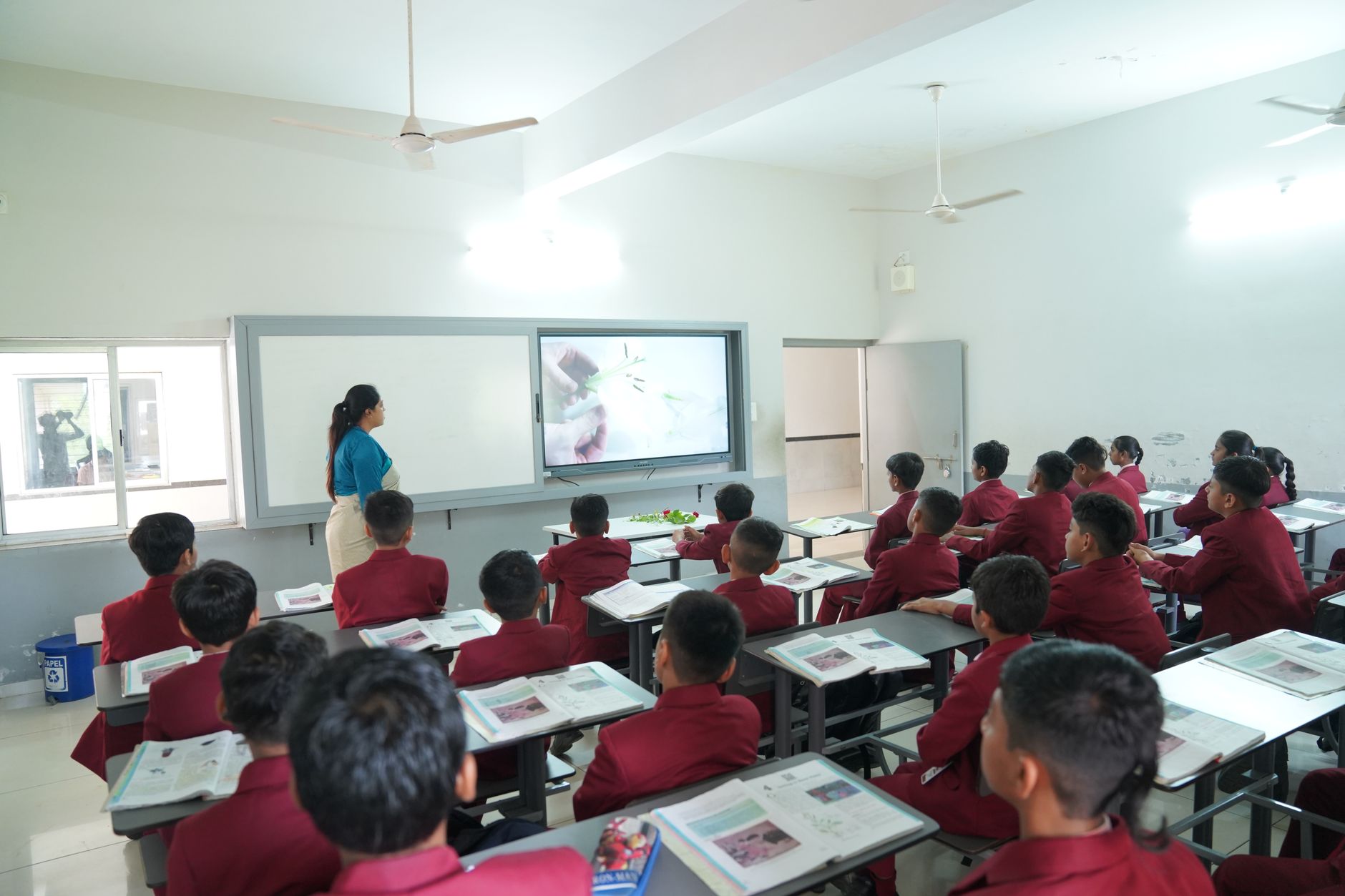
Government schools, which serve the majority of Indian students, feel these cuts most acutely. When state support weakens, the quality gap between government and private schools widens, pushing middle-class families toward private education and leaving the poorest students with deteriorating public options.
The Youth Response
Young people across India have begun recognizing how education budget cuts affect their futures. Protests have erupted in various states over issues directly linked to underfunding: unavailable seats in colleges, poor hostel facilities, inadequate libraries, delayed exam results due to administrative failures, and limited employment opportunities for educated youth.
Student organizations argue that reduced education spending violates the spirit of constitutional provisions and India's international commitments to universal quality education. They point out that countries achieving rapid development consistently prioritize education spending.
Comparing With National Commitments
India has historically committed to spending six percent of GDP on education, a target recommended by various education commissions since the 1960s. However, combined central and state spending has rarely exceeded four percent of GDP in recent years. As states reduce their proportional allocations, achieving these targets becomes increasingly difficult.
The National Education Policy 2020 envisions transformative changes in Indian education, but implementation requires substantial financial resources. Without states increasing their budgetary allocations, many NEP goals risk remaining on paper.
The Path Forward
Reversing this trend requires political will and creative fiscal management. States might consider ring-fencing education budgets, similar to health spending requirements. Improving tax collection efficiency, reducing wasteful expenditure, and prioritizing long-term human capital development over short-term populist schemes could create fiscal space for education.
Public pressure, including youth protests, plays a crucial role in keeping education funding on the political agenda. As India aspires to become a developed nation by 2047, investing in the education of today's youth becomes not just a moral imperative but an economic necessity.
The demographic dividend that India hopes to leverage depends entirely on having an educated, skilled workforce. Declining education expenditure by states threatens to turn this potential advantage into a liability of unemployable youth, making the current trend a critical policy challenge requiring urgent attention.