The World Travel & Tourism Council (WTTC), a global authority representing the travel and tourism sector, has issued recommendations urging India to overhaul its visa policies and ramp up investments in tourism infrastructure. These measures, according to the organization, are critical to realizing India's immense potential as one of the world's premier travel destinations.
India's Tourism Landscape
India has long been recognized for its rich cultural heritage, diverse landscapes, and historical significance. From the Himalayan peaks in the north to the tropical beaches of the south, the country offers experiences that few destinations can match. Despite these advantages, India's share of global tourist arrivals remains modest compared to competitors in Southeast Asia and other regions.
The tourism sector contributes significantly to India's economy, supporting millions of jobs across hospitality, transportation, handicrafts, and related industries. However, experts argue that the country has barely scratched the surface of its tourism potential, with infrastructure gaps and complex entry procedures often cited as major deterrents.
Visa Reforms: Removing Entry Barriers
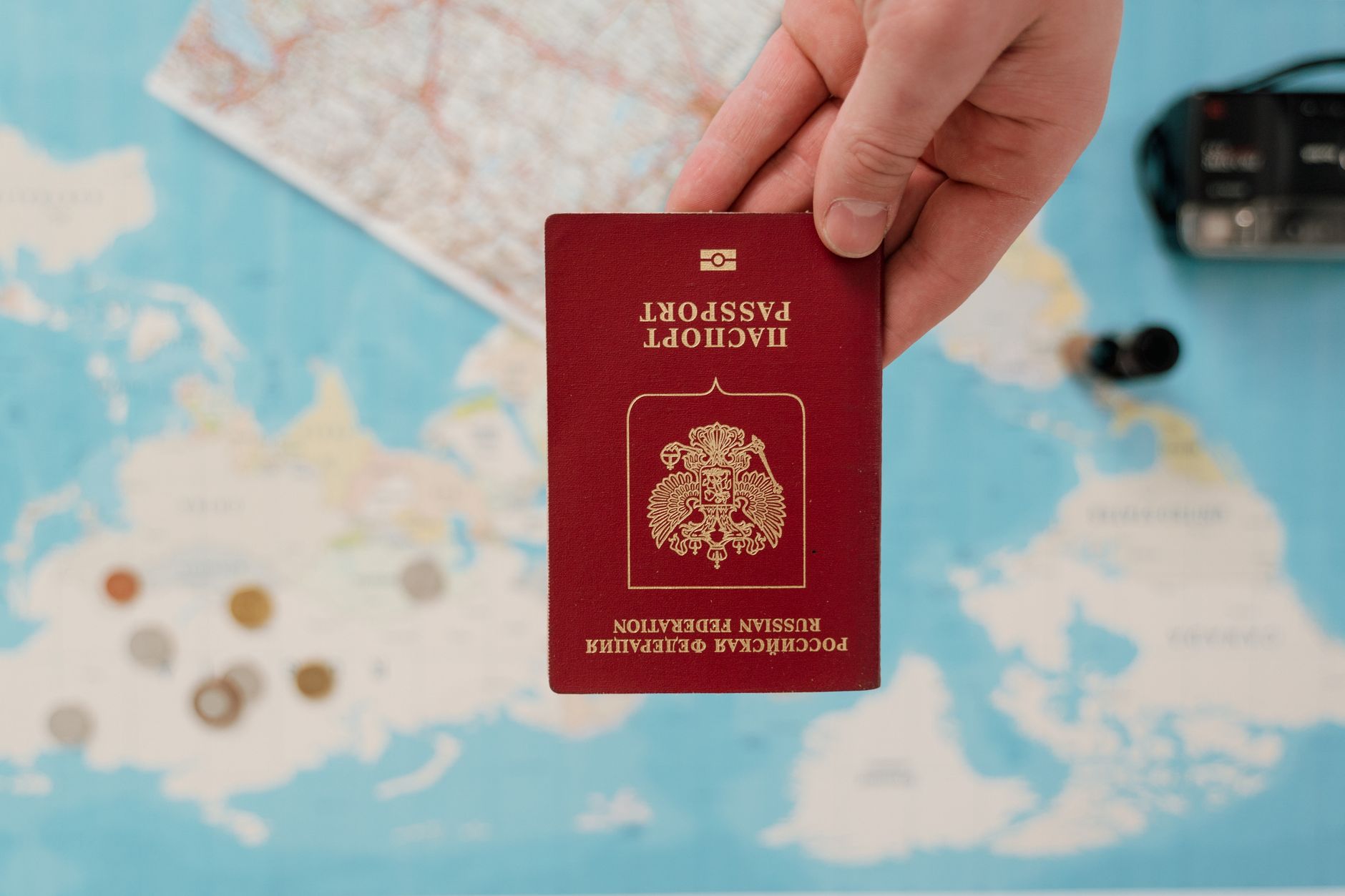
One of WTTC's primary recommendations focuses on simplifying and modernizing India's visa processes. Currently, travelers from many countries must navigate a somewhat complex application system, even with the availability of e-visas for certain nationalities.
Key areas for improvement include:
- Expanding the list of countries eligible for visa-on-arrival and e-visa facilities
- Streamlining the application process to reduce processing times
- Offering longer validity periods for tourist visas to encourage repeat visits
- Reducing visa fees to make India more price-competitive with neighboring destinations
- Implementing more efficient airport immigration procedures
Countries like Thailand, Vietnam, and Indonesia have demonstrated how simplified visa regimes can dramatically boost tourist arrivals. India's e-visa program, launched in 2014, has already shown promising results, but industry experts believe there is room for significant expansion and improvement.
Infrastructure Investment Needs
Beyond visa reforms, the WTTC has emphasized the urgent need for greater investment in tourism infrastructure across India. While major cities like Delhi, Mumbai, and Bangalore have world-class facilities, many tourist destinations lack the infrastructure necessary to handle large visitor volumes comfortably.
Critical infrastructure gaps include:
- Airport capacity and connectivity in tier-2 and tier-3 cities near tourist attractions
- Road and rail networks connecting tourist destinations
- Accommodation options across various price points, particularly in heritage and eco-tourism locations
- Public sanitation facilities at tourist sites
- Signage and information systems in multiple languages
- Digital connectivity and payment infrastructure
The development of tourist circuits and thematic routes, such as the Buddhist Circuit, Coastal Circuit, and Himalayan Circuit, requires coordinated infrastructure development. This includes not just physical infrastructure but also training programs for hospitality workers to ensure consistent service quality.
Economic Implications
Enhanced tourism infrastructure and streamlined visa processes could have far-reaching economic benefits for India. The sector has proven resilient globally, with international travel rebounding strongly post-pandemic. India is well-positioned to capture a larger share of this growing market.
Increased tourist arrivals would generate employment opportunities in regions that often lack alternative sources of livelihood. The multiplier effect of tourism spending benefits local artisans, agricultural producers, and small businesses beyond the direct hospitality sector.
Additionally, improved infrastructure built for tourism often serves local communities, enhancing quality of life for residents. Better roads, airports, and public facilities benefit both tourists and local populations.
Competitive Positioning
India faces stiff competition from countries that have aggressively developed their tourism sectors. Nations like Thailand welcome over 35 million international visitors annually, while India's numbers, though growing, remain lower despite having comparable or superior attractions.
The WTTC's recommendations align with India's own tourism promotion efforts, including the "Incredible India" campaign and various state-level initiatives. However, implementation of reforms requires coordination between central and state governments, private sector participation, and sustained financial commitment.
Path Forward
The timing of these recommendations is significant as India seeks to recover tourism revenue lost during the pandemic and position itself as a must-visit destination for the growing middle class in Asia and beyond. With global travel patterns evolving and travelers seeking authentic cultural experiences, India has a unique opportunity to differentiate itself.
Success will depend on political will, public-private partnerships, and a long-term vision that balances tourism development with environmental sustainability and cultural preservation. The WTTC's call to action serves as a reminder that India's tourism potential remains largely untapped, awaiting the right combination of policy reforms and strategic investments.