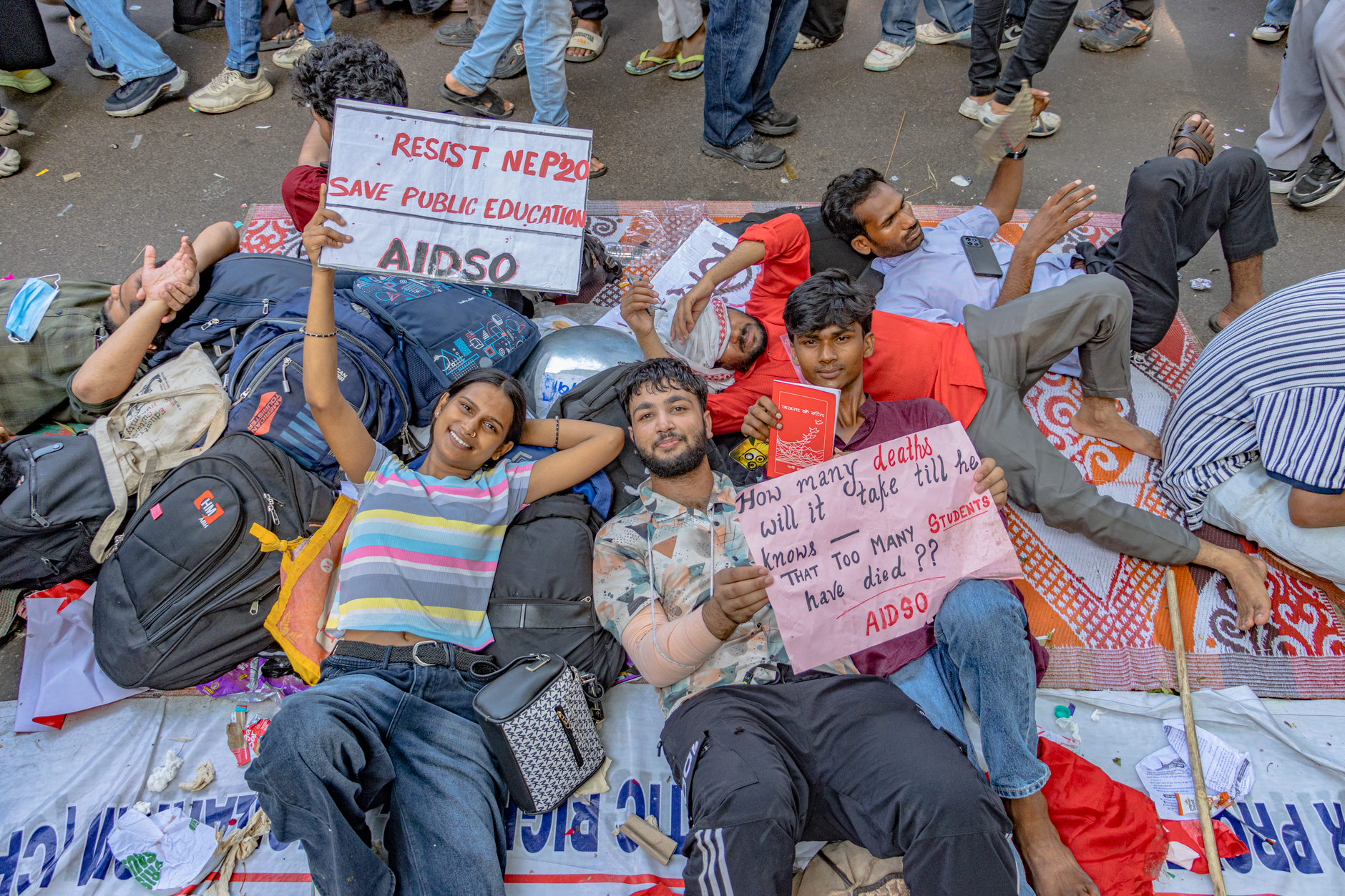
In an unprecedented turn of events, sustained protests by students and youth activists have led to the resignation of India's education minister, demonstrating the growing power of organized student movements in shaping national policy. The successful campaign marks a significant moment in Indian politics, where youth-led activism has forced accountability at the highest levels of government.
The Catalyst Behind the Protests
The protests emerged from mounting frustration over multiple issues affecting millions of Indian students. Paper leaks in competitive examinations, particularly for medical and engineering entrance tests, have repeatedly compromised the integrity of India's education system. When question papers for major national exams were leaked online hours before tests, students who had prepared for years saw their dreams jeopardized through no fault of their own.
Additionally, controversial reforms to examination patterns and sudden policy changes created uncertainty for students already navigating one of the world's most competitive education landscapes. The lack of adequate response from authorities to these recurring problems fueled anger among students and parents alike.
How the Movement Gained Momentum
What started as scattered complaints on social media quickly transformed into coordinated demonstrations across major cities. Students leveraged digital platforms to organize protests, share testimonials, and document irregularities in the examination system. The movement transcended regional and linguistic boundaries, uniting students from diverse backgrounds around common grievances.
The protests saw participation not just from college students but also from school-going children preparing for board examinations and competitive tests. Parents, educators, and civil society groups joined the chorus, amplifying demands for accountability and systemic reform. The sustained pressure, combined with media coverage of the movement, made it politically untenable for the minister to continue in office.
Immediate Implications of the Resignation
The minister's exit represents more than just a personnel change. It signals that student voices can no longer be dismissed or ignored by policymakers. This development may encourage similar movements in other sectors where youth concerns have been sidelined.
For the government, the immediate challenge involves appointing a successor who can restore credibility to the education ministry. The new minister will inherit a system requiring urgent reforms, from strengthening examination security protocols to addressing infrastructure gaps in schools and colleges.
Structural Challenges That Remain
Despite this political victory, the fundamental issues plaguing Indian education remain largely unresolved. The examination system continues to rely heavily on high-stakes tests that determine students' futures, creating immense pressure and opportunities for malpractice. The sheer scale of India's education sector, with hundreds of millions of students, makes administration and quality control enormously complex.
Infrastructure deficits persist, particularly in rural areas where schools lack basic facilities, trained teachers, and digital resources. The pandemic's impact on learning outcomes has further widened educational inequalities, a problem requiring sustained investment and policy attention beyond ministerial changes.
What Students Are Demanding
The movement has crystallized around several key demands. Students want foolproof mechanisms to prevent examination leaks, including better security protocols and severe penalties for those involved in malpractice. They seek transparency in evaluation processes and timely resolution of grievances when irregularities occur.
Beyond examinations, activists are calling for curriculum reforms that reduce rote learning and promote critical thinking. There are demands for better mental health support systems, given the intense academic pressure students face. Many are also advocating for increased education funding and improved teacher training programs.
The Path Forward
The success of this movement demonstrates that sustained, organized activism can effect change even in a complex democracy like India. However, translating this political victory into substantive policy reform requires continued vigilance and engagement from student groups.
The new education minister will be watched closely for concrete actions rather than mere announcements. Students and activists have indicated they will maintain pressure to ensure meaningful changes materialize. Whether this momentum can be sustained long enough to achieve systemic reforms remains the critical question.
This episode also highlights the broader issue of youth representation in policymaking. With India's median age around 28 years, ensuring that young people's concerns shape national priorities is not just democratic but essential for the country's future. The education sector protests may well inspire similar movements demanding accountability in other areas affecting young Indians, from employment opportunities to environmental concerns.
The coming months will reveal whether this represents a genuine turning point for educational reform or merely a symbolic victory in an ongoing struggle for quality education in India.